If you have suddenly found yourself Googling the Congo River, the Congo Basin or the Congo rainforest, do not worry, you aren’t alone. Blame the man in the kayak.
Welsh adventurer Ash Dykes has spent weeks getting himself to Nola in the Central African Republic, where he is set to begin a roughly 700 kilometre journey down the Sangha River in an inflatable kayak, heading towards Mossaka in the Republic of Congo. And the internet has been watching.
Millions of people have followed the journey before Dykes has even properly got onto the river. His preparation videos, the missing luggage containing his kayak pumps, border crossings, delays and warnings about crocodiles, hippos, forest elephants, gorillas, snakes, disease and parasites have turned what might otherwise have been a very remote expedition into a global spectator sport.
It’s fascinating how for the first time, a huge online audience is getting an intimate, almost first person view of a part of Central Africa that many people know surprisingly little about. We are watching through Dykes’ eyes, waiting to see what he encounters around the next bend in the river.
What better time to learn a few things about the Congo Basin than now, when the whole world is suddenly looking towards it? That way, we already know what he is up against, as opposed to simply thinking “that rainforest the guy is kayaking through.”
1. The Congo Basin is not the same thing as the Congo River
Let’s start here because the names can get confusing.
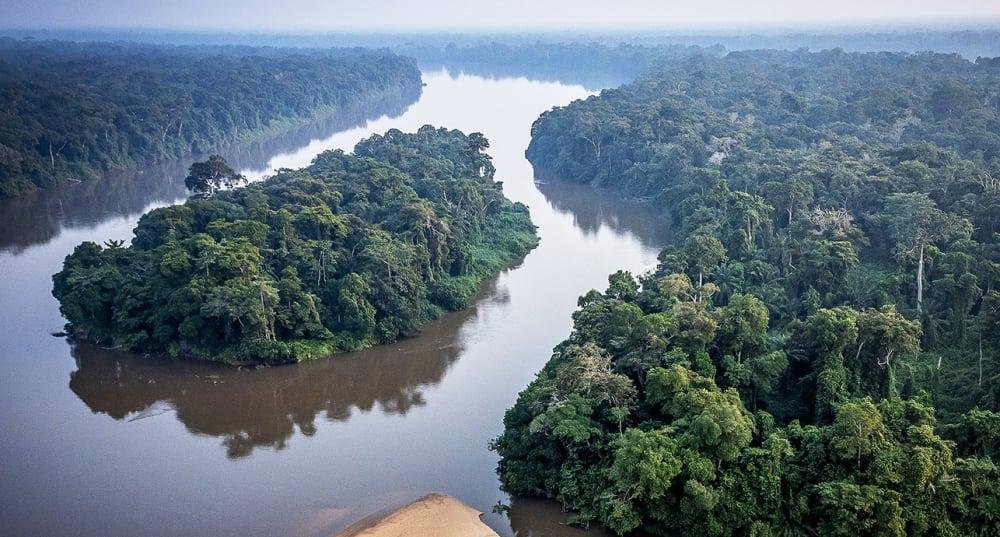
The Congo Basin is a vast ecological and geographical region centred around the Congo River and its network of tributaries, forests, wetlands and other ecosystems. The Congo rainforest forms a huge part of it.
The basin’s forests span six countries: the Democratic Republic of Congo, Republic of Congo, Cameroon, Central African Republic, Equatorial Guinea and Gabon. The forest covers around 500 million acres, an area larger than Alaska.
The Congo River is the enormous river system running through this landscape.
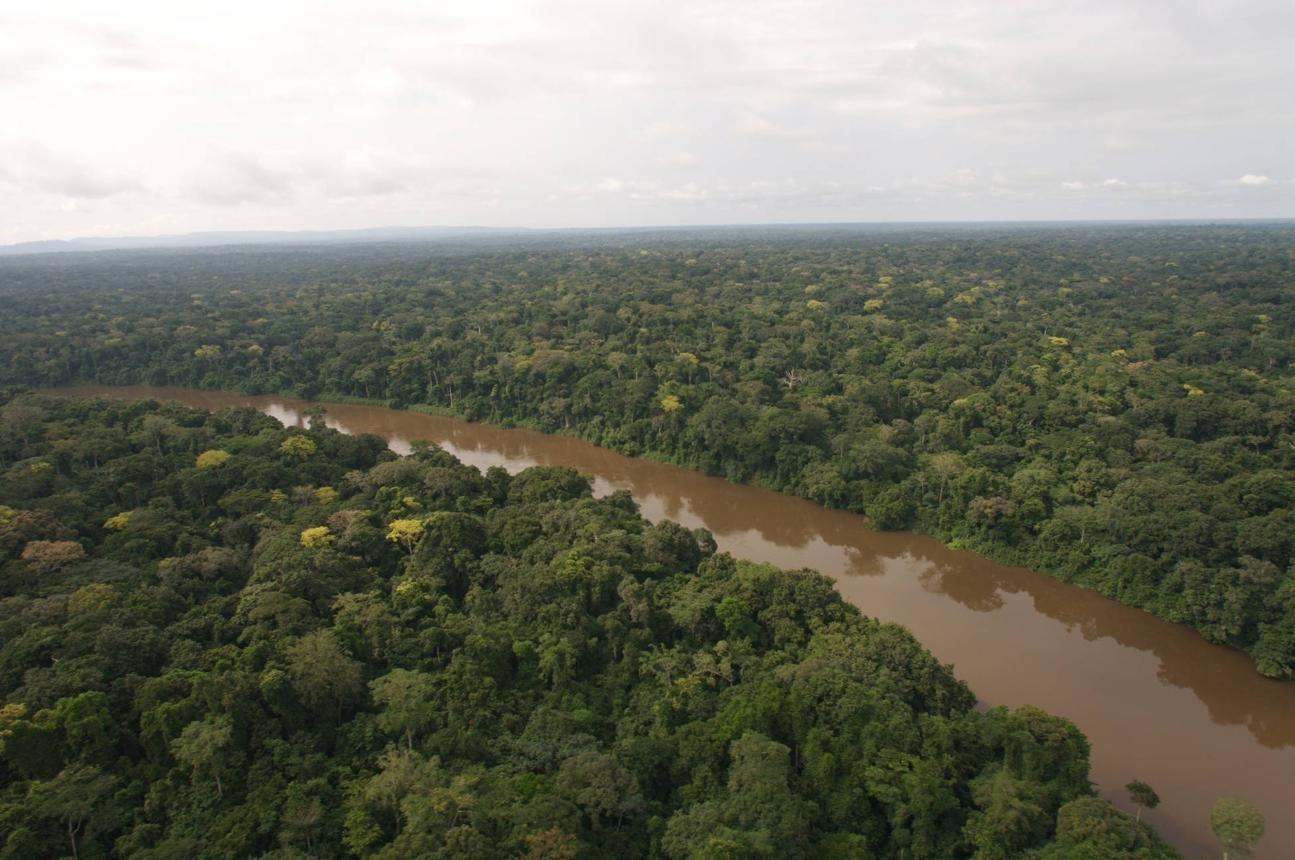
And yes, Dykes’ expedition is on the Sangha River, a major tributary of the Congo, rather than paddling down the entire Congo River itself.
2. The Congo River is the deepest river in the world
Parts of the Congo River reach depths of more than 220 metres, making it the deepest known river on Earth. It is also Africa’s second longest river after the Nile.
So when someone says they are going kayaking in the Congo, the appropriate response is perhaps not, “Oh, nice river adventure.” The Congo river is not your ordinary river – there is a lot of water underneath that kayak.
3. The Congo River crosses the Equator twice
Crazy, right?
Its enormous looping course takes it across the equatorial line and then back over it again before the river eventually reaches the Atlantic Ocean. This is literally one of those places where geography really, really shows off.
4. It is home to the world’s second largest tropical rainforest
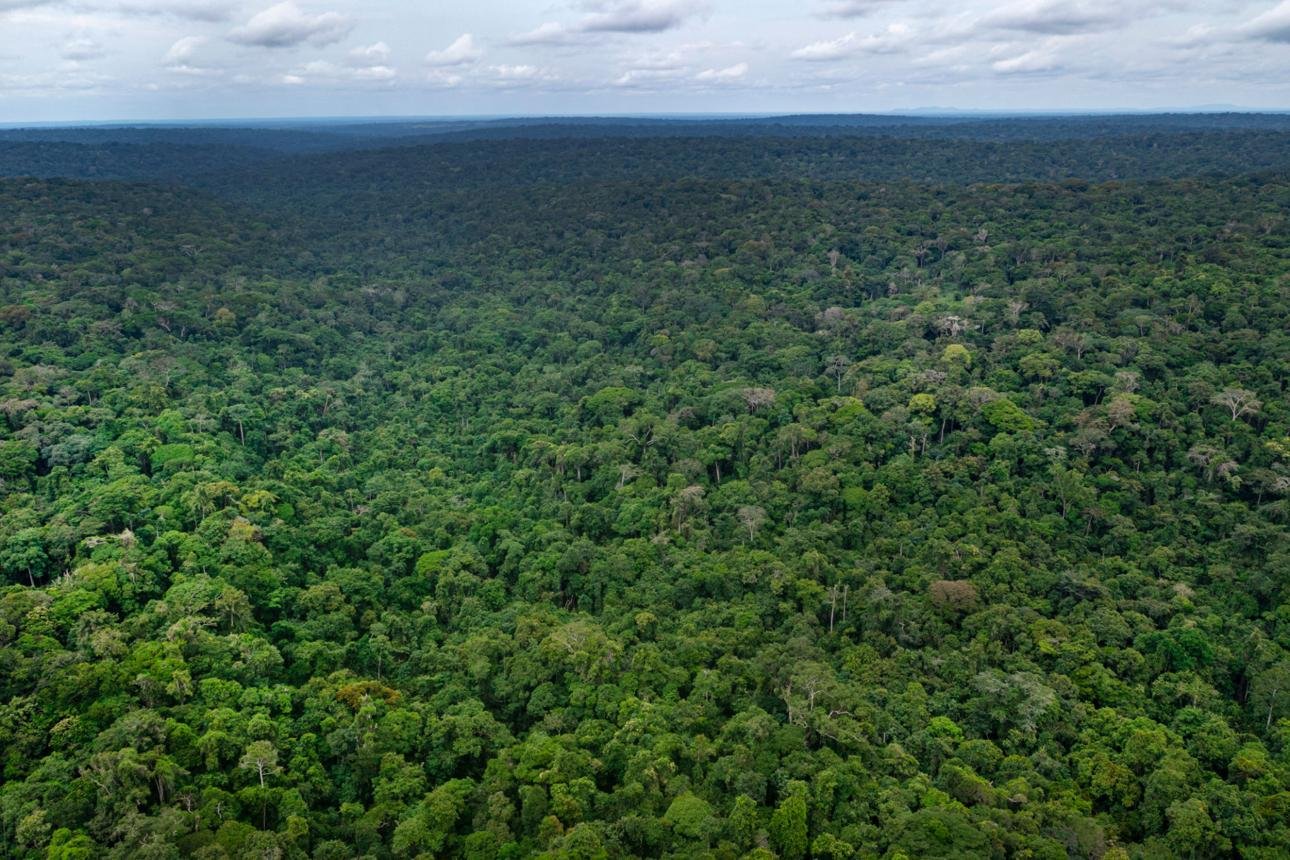
The Amazon gets most of the rainforest celebrity, but the Congo Basin is a close second.
It contains the world’s second largest tropical rainforest, covering an enormous area across Central Africa. WWF estimates that the region accounts for more than 70 percent of Africa’s tropical forests.
It is also one of the most biodiverse regions on the planet, providing habitat for gorillas, chimpanzees, bonobos, forest elephants, buffalo and thousands of other species.
5. It contains the world’s largest tropical peatland
Now for something that sounds considerably less exciting than a rainforest until you understand what it means.
The Congo Basin contains the world’s largest tropical peatland complex, particularly in the Cuvette Centrale.
Peat is essentially partially decomposed plant material that has accumulated over thousands of years. And because all that carbon rich material is sitting in waterlogged conditions, it can remain locked away rather than being released into the atmosphere.
The Congo Basin’s peatlands are estimated to store around 30 billion tonnes of carbon.
And that brings us to the next very interesting point that the rest of the world should know about this forest.
6. The Congo Basin is Earth’s largest tropical carbon sink
The Congo Basin isn’t merely a beautiful forest sitting quietly in Central Africa – It does some very important work for the planet.
WWF describes the basin as the largest carbon sink in the world, absorbing more carbon than the Amazon. The Science Panel for the Congo Basin similarly identifies it as the largest tropical carbon sink on Earth.
In simple terms, its forests and peatlands absorb and store enormous quantities of carbon dioxide.
So while millions of us are currently watching one man paddle through it, the forest itself is quietly participating in one of the planet’s most important climate processes.
7. Scientists identified 742 species new to science in just one decade
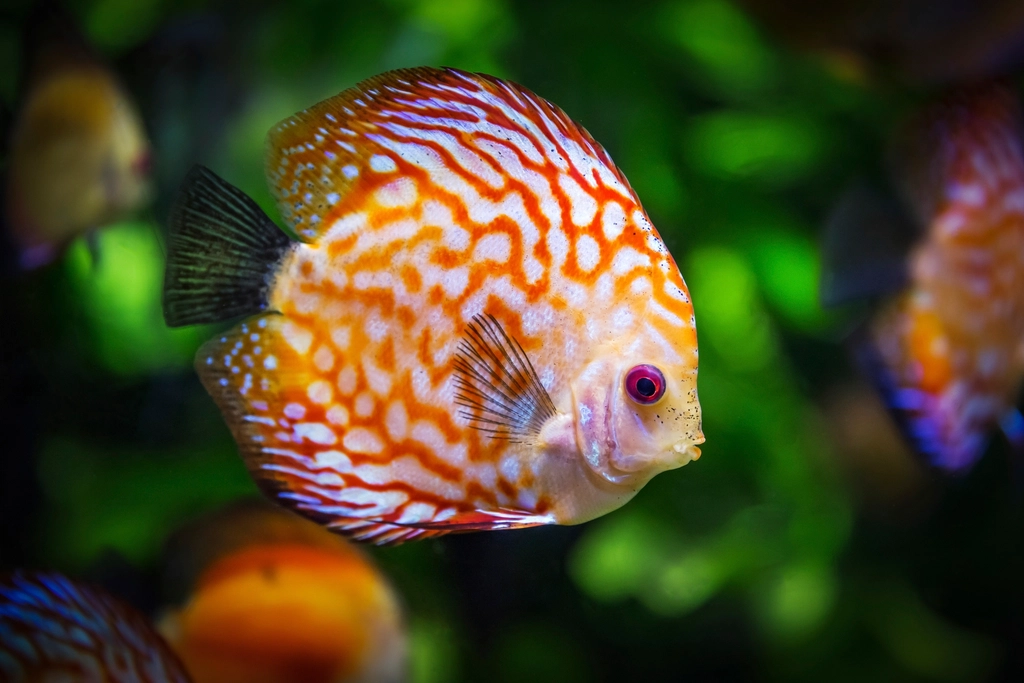
Here’s where the Congo Basin gets properly wild. Between 2013 and 2023, scientists formally identified 742 species new to science in the region.
They included plants, fish, amphibians, reptiles, birds, mammals and invertebrates. Among the discoveries were new orchids, a new species of coffee, frogs, crocodiles, electric fish, owls, spiders, turtles and a monkey known as the lesula.
However, it’s important to note that “New to science” does not necessarily mean new to humans. WWF notes that some of these species were already known to Indigenous and local communities who have lived alongside the forest for generations. What was new was their formal recognition and description in scientific literature.
8. The Congo Basin is home to bonobos, and you won’t find them naturally anywhere else
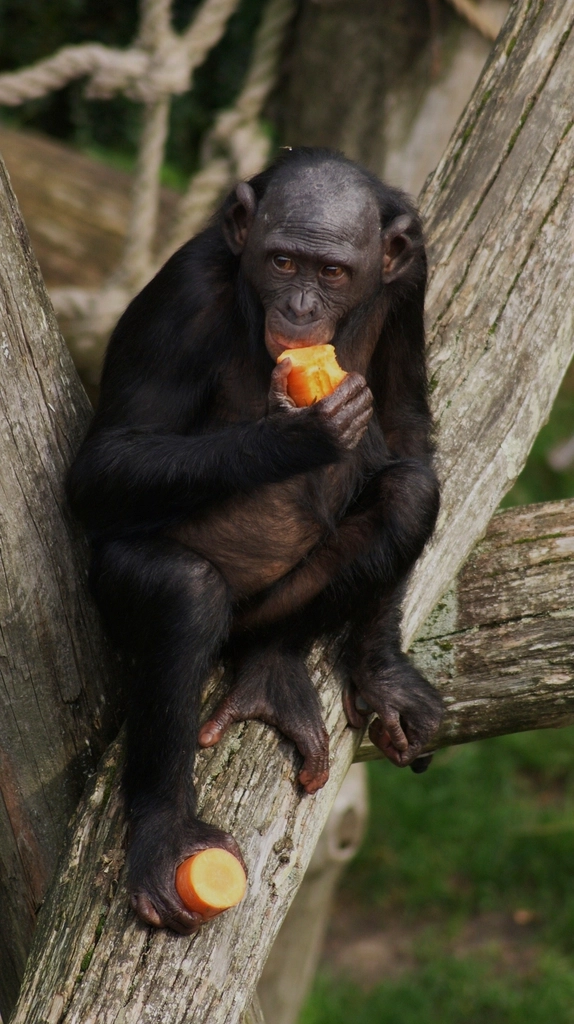
Bonobos are among our closest living relatives and are found naturally only in the Democratic Republic of Congo. They share the forest with chimpanzees, gorillas and forest elephants, among hundreds of mammal species.
The basin is estimated to contain at least 400 mammal species, 1,000 bird species and 700 fish species.
In other words, it is not just a forest. It is an enormous living library whose pages scientists are still adding pages.
9. There is a legendary creature said to lurk in its waters
Now we get to the fun stuff 🤭.
For generations, stories have circulated about Mokele-mbembe, a legendary creature said to inhabit remote parts of the Congo Basin.
Descriptions vary, but it has often been portrayed as something resembling a long-necked, dinosaur like creature. The name is commonly translated as something along the lines of “one who stops the flow of rivers.”
Expeditions have even gone looking for it.
There is, however, no scientific evidence that Mokele-mbembe exists, and researchers have suggested that sightings or stories may have been based on known animals or distorted accounts.
So no, we are not saying Ash should add “dinosaur hunting” to his itinerary (or should he?) But it is quite a story to have attached to one of the world’s most mysterious looking landscapes….imagine if he actually found it? The internet world would explode.
10. And now, the whole world is getting a front row seat
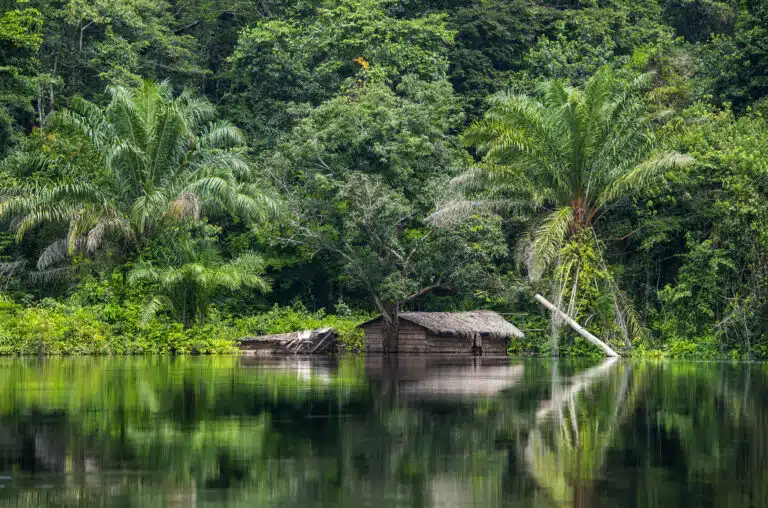
Perhaps the most interesting thing about Ash Dykes’ expedition isn’t actually the kayak but the audience.
Dykes had amassed millions of followers before even putting the kayak into the Sangha, with his TikTok following reported at about 3.6 million this week. His expedition has turned the preparation for a journey through one of the world’s most remote environments into something people can follow almost in real time.
We are watching him inflate the kayak. We have already watched him deal with missing equipment. We watched the journey to the starting point and are hearing about the wildlife, the diseases, the forest and the sheer difficulty of getting around.
Plus the audacity, ofcourse.
And now, on October 8, the show is just about to begin. For those of us watching from thousands of kilometres away, it is almost as though we have been given a window into the Congo.
Every update brings another question.
What is around the next bend? Will they encounter elephants? Hippos? Crocodiles? What will the forest look like further downstream? What will the river reveal?
Let’s not even talk about the bloody kayak.
For a few weeks, millions of people who might never have had a reason to think about the Sangha River are going to be thinking about it very closely.