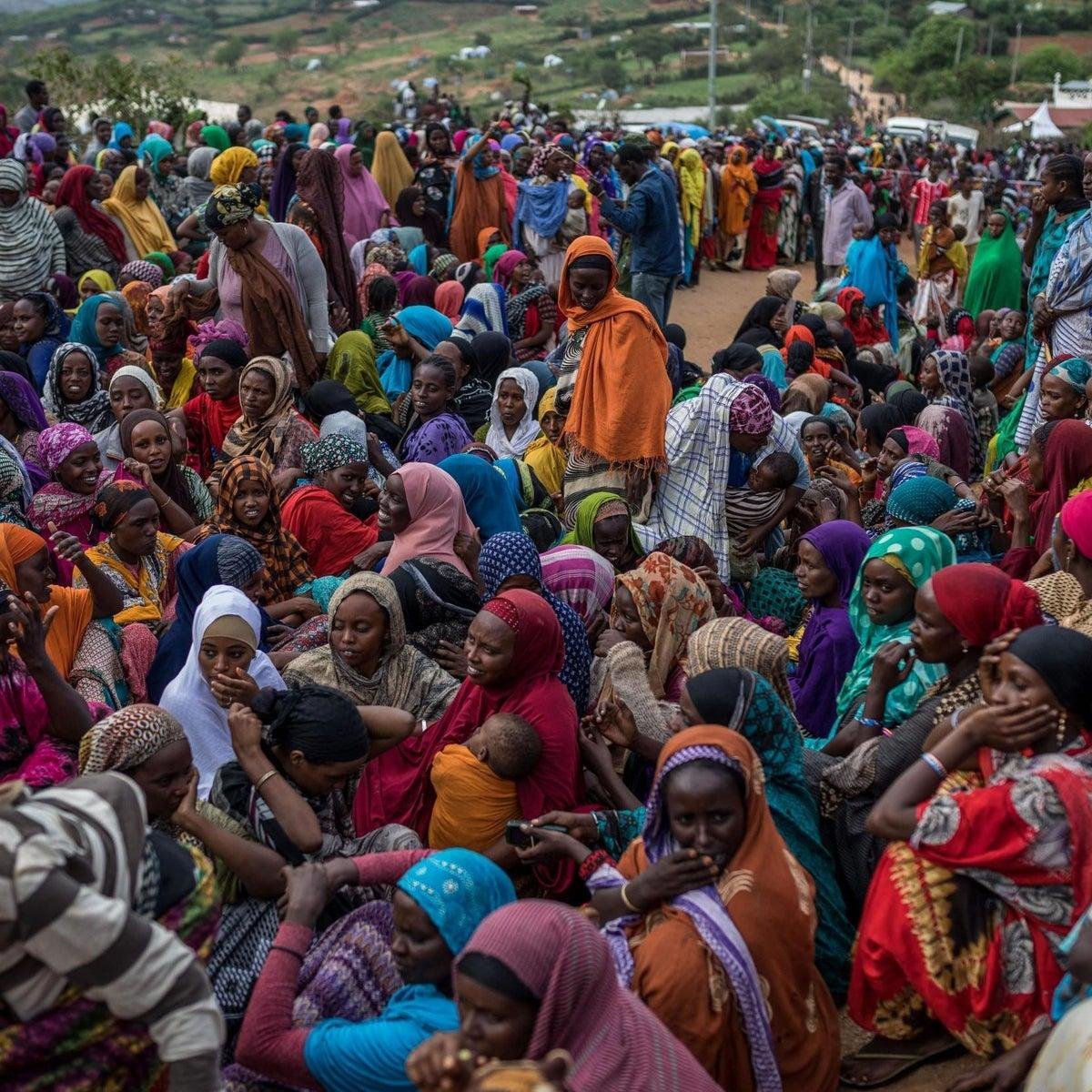
Hundreds of Ethiopians have crossed into Kenya following violent clashes in the border town of Moyale, prompting an emergency humanitarian response as families seek safety from gunfire and escalating tensions.
The Kenya Red Cross Society has begun providing emergency assistance to displaced families arriving in Marsabit County, with its initial response targeting 1,000 households.
The organisation said many families had arrived with few belongings and urgently needed shelter, food, clean drinking water and medical assistance. Its teams are working alongside national and county authorities to provide temporary shelter and essential supplies.
According to reports published by Reuters and the Associated Press on Thursday, October 22, 2026, most of those crossing into Kenya were women and children.
Marsabit County Commissioner Stanley Kamande confirmed that hundreds of people had crossed the border, with many finding accommodation with relatives and local residents on the Kenyan side of Moyale. The Kenya Red Cross has been assessing the number of people affected and their immediate needs.
What Triggered the Clashes in Moyale?
The violence has been linked to rising tensions between Ethiopia’s Oromia and Somali regional states, with reports pointing to a dispute over the raising of the Somali Regional State flag in Moyale.
The town straddles the Ethiopia-Kenya border, making insecurity on the Ethiopian side an immediate concern for communities living on both sides of the frontier.
According to reporting by Kenyan media, tensions escalated following a dispute involving the flag and the killing of a 13-year-old girl on October 18. However, accounts of the circumstances surrounding the girl’s death and the events leading to the wider clashes remain contested.
Reports from the area indicate that armed confrontations and gunfire were heard on the Ethiopian side of the border, forcing residents to leave their homes and seek safety in Kenya.
The full circumstances surrounding the outbreak of violence have not yet been independently established, and the precise number of people killed or injured remains unclear.
Kenya Red Cross Begins Emergency Response
The Kenya Red Cross said it had scaled up assistance to support families arriving in Moyale, with its initial response targeting 1,000 households.
The assistance includes temporary shelters, tents, blankets, sleeping mats, water containers and kitchen supplies. The organisation is also providing fortified porridge flour to support young children, pregnant women and breastfeeding mothers.
First aid services are being provided, while teams are working to help reunite family members who may have become separated during the displacement.
The humanitarian organisation has identified urgent needs in food, safe drinking water, sanitation, hygiene, healthcare and protection. Women, children, older people and persons with disabilities are among those requiring particular attention.
The response is being coordinated with the Marsabit County Government, national authorities and humanitarian partners as teams continue assessing the situation.
What Does This Mean for Kenya?
The arrival of displaced families places an immediate humanitarian responsibility on authorities and aid agencies in northern Kenya.
Families escaping violence may require shelter, food, medical care and protection while the situation across the border remains uncertain. The availability of these services will be important as aid agencies establish the scale of displacement and determine whether additional assistance is needed.
The developments also highlight the close relationship between security in Ethiopia’s border regions and the welfare of communities in northern Kenya. Moyale is a cross-border settlement with established family, social and commercial ties, meaning violence on one side can disrupt daily life on the other.
For now, the priority is to support displaced families and establish the full extent of the crisis.
As of October 23, 2026, the exact number of people who have crossed into Kenya has not been established publicly, and there is no independently verified comprehensive casualty figure for the clashes.
Authorities and humanitarian agencies are expected to continue assessing the situation as their response develops.