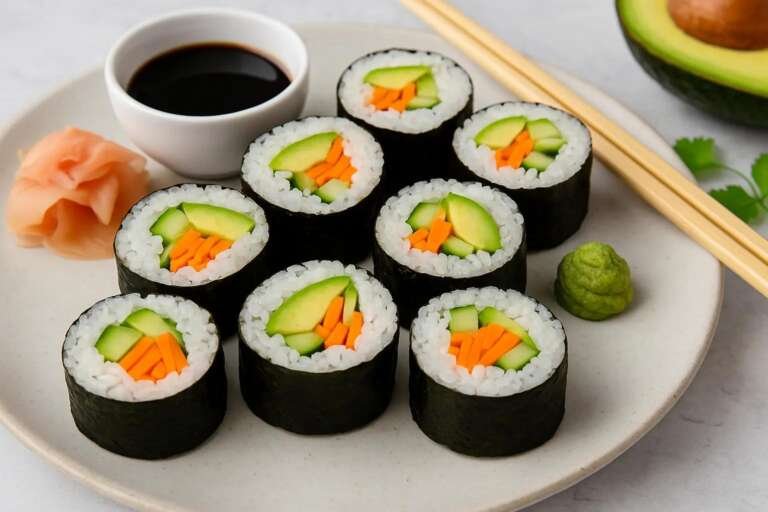
From omega-3 fatty acids and lean protein to hidden sodium and food safety considerations, here’s what to know about the nutritional value of sushi.
Nairobi’s dining scene is becoming increasingly adventurous, with more Kenyans exploring cuisines and food experiences that may once have seemed unfamiliar. And with November bringing a month long sushi campaign to the city, there is no better time to get acquainted with one of Japan’s most recognisable culinary exports.
With Pleasure, a dining discovery platform, has launched Sushi With Pleasure, a campaign running from November 5 to 30, 2026. It brings together eight Nairobi restaurants: Social House, Thai Chi, Inti, Kwetu Curio, Slate, Ezo, Mawimbi and Akira, giving diners an opportunity to explore different sushi varieties and discover new dining experiences.
At Sunset in Africa, we are joining the conversation with a mini educational series exploring sushi, its culture, different varieties, how to enjoy it and what makes it a popular choice around the world.
Before we can explore all that, we start with asking the most important question: Is sushi actually healthy?
What is sushi made of?
It would help to understand what goes into sushi. Contrary to popular belief, sushi does not necessarily mean raw fish. Its defining ingredient is rice seasoned with vinegar, sugar and salt. This rice is combined with different ingredients, which may include raw or cooked fish, seafood, vegetables, egg and seaweed.
Different sushi varieties have different nutritional profiles. A simple salmon nigiri, for example, offers a different combination of nutrients from a deep fried roll filled with seafood and topped with mayonnaise-based sauce.
The ingredients matter, and understanding them makes it easier to make informed choices when ordering.
The nutritional benefits of sushi
1. A source of protein
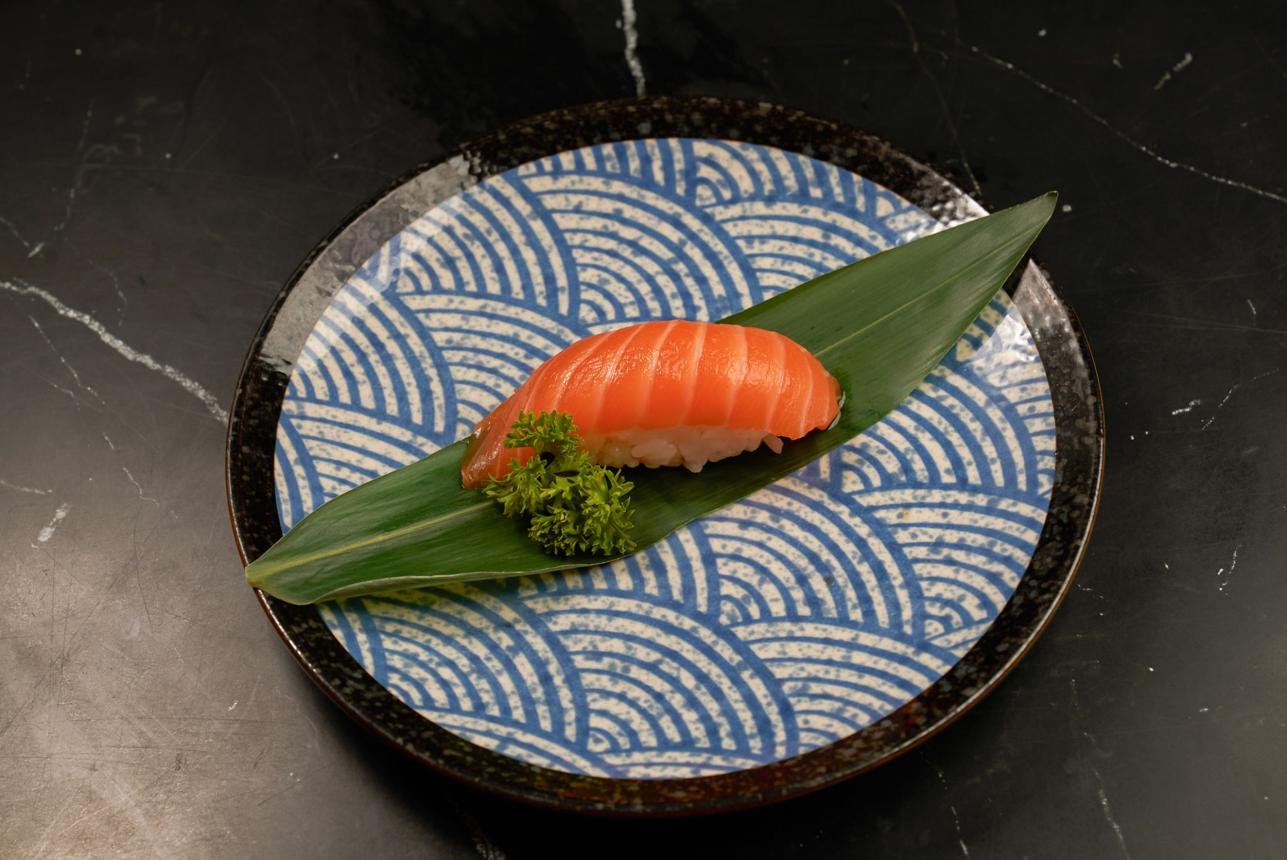
Fish and seafood are important sources of protein, which the body needs for building and repairing tissues, maintaining muscles and producing enzymes and hormones.
Salmon, tuna, shrimp and other seafood commonly used in sushi can contribute to daily protein requirements.
Protein also plays a role in keeping you satisfied after a meal. This makes fish based sushi a potentially nutritious option, particularly when paired with vegetables and other wholesome ingredients.
However, the amount of protein will depend on how much fish or seafood is used. Some sushi rolls contain considerably more rice and other fillings than fish.
2. Omega-3 fatty acids for heart and brain health
One of the nutritional highlights of fish based sushi is its potential omega-3 content.
Fatty fish such as salmon are rich in two important omega-3 fatty acids: EPA (eicosapentaenoic acid) and DHA (docosahexaenoic acid). These fats support normal brain function, contribute to the structure of cell membranes and are associated with cardiovascular health.
Research has linked eating fish as part of a balanced diet with heart health benefits. The US Food and Drug Administration (FDA) also identifies fish as a source of omega-3 fatty acids, protein and other important nutrients.
It is worth remembering that not every sushi filling provides the same amount of omega-3. A salmon roll, for example, is likely to offer more of these fats than a cucumber or avocado roll.
3. Seaweed provides iodine and other minerals
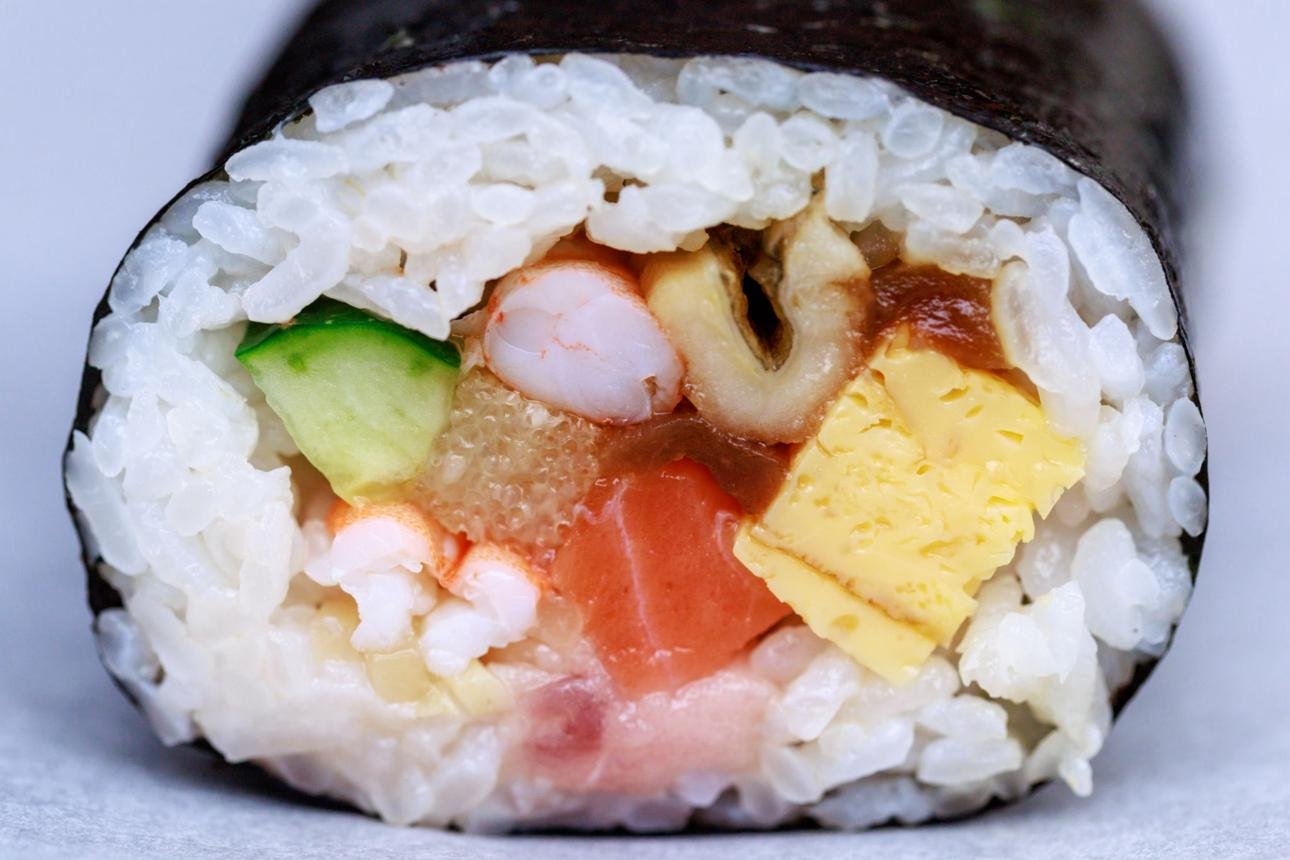
Have you ever wondered what gives sushi rolls their distinctive dark outer wrapping? That is usually nori, a type of edible seaweed commonly used in Japanese cuisine.
Seaweed can provide iodine, a mineral the body needs to produce thyroid hormones. These hormones help regulate metabolism and support normal growth and development.
Nori also contains other minerals and small amounts of vitamins. Its nutritional composition varies depending on the species and how it is processed.
However, iodine intake should be balanced. Seaweed products can vary considerably in their iodine content, and consuming excessive amounts of iodine is not necessarily beneficial.
4. Vitamins and minerals from fish and seafood
Fish used in sushi can supply several essential micronutrients.
Depending on the species, these include:
- Vitamin B12: Helps maintain healthy nerve cells and supports red blood cell production.
- Vitamin D: Supports bone health and normal immune function.
- Selenium: An antioxidant mineral that supports thyroid function and protects cells from damage.
- Zinc: Supports immune function, wound healing and normal cell growth.
- Iron: Helps the body produce haemoglobin, which carries oxygen in the blood.
Salmon, tuna and other seafood provide different combinations and quantities of these nutrients.
5. Vegetables and healthy fats add to its nutritional value
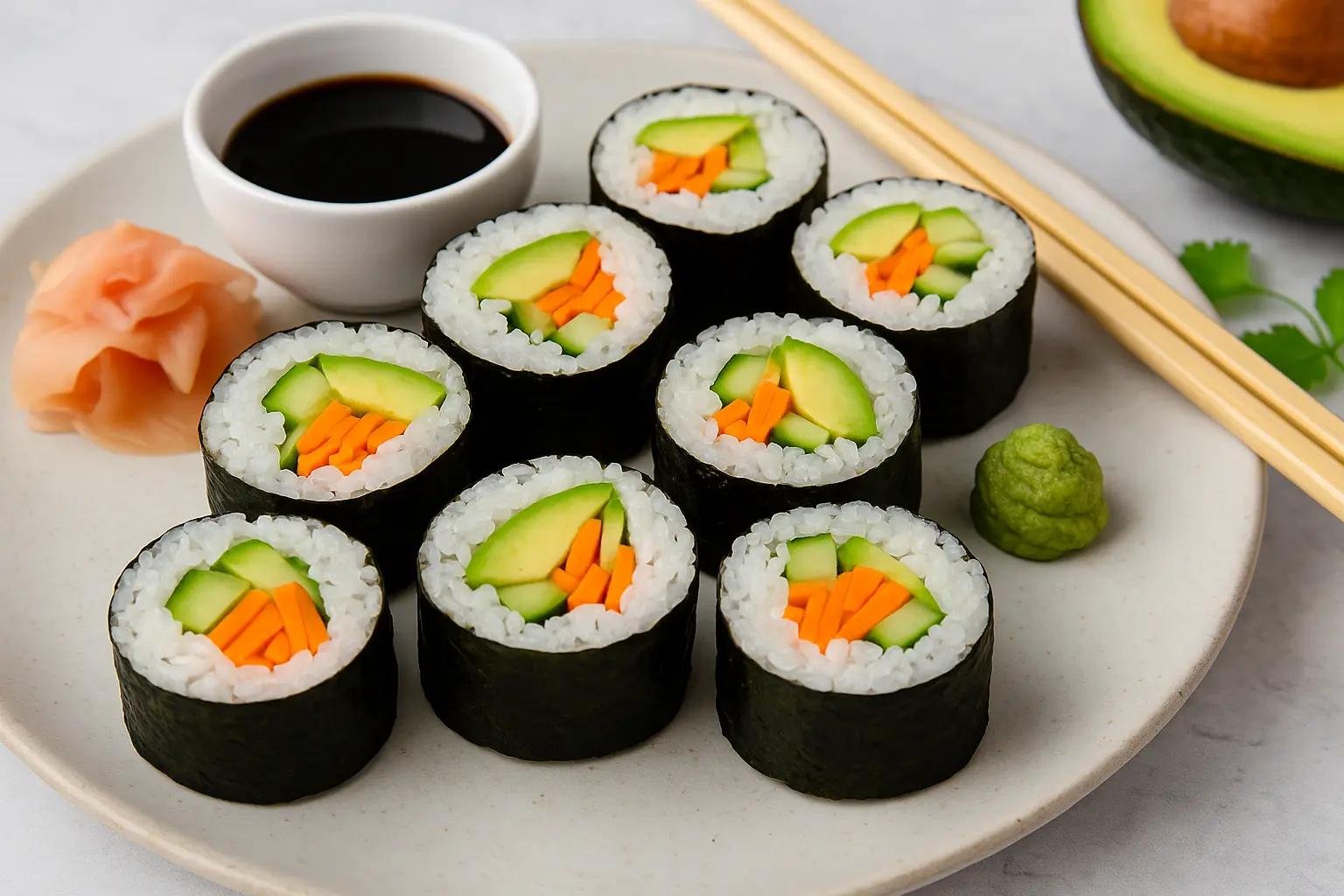
Most of us think sushi is synonymous with (raw) fish, but not all sushi contains fish. Vegetable based varieties can also offer nutritional benefits.
Ingredients such as cucumber, carrots and avocado contribute different nutrients to a sushi meal.
Avocado, for instance, contains monounsaturated fats, which are considered heart friendly fats. It also provides fibre and potassium.
Vegetables contribute fibre, vitamins, minerals and antioxidants. Fibre is particularly important for digestive health and can help support feelings of fullness.
A vegetable sushi roll can therefore be a good option for people who do not eat fish or prefer plant based meals.
6. Rice provides energy
Rice is another important component of sushi.
It provides carbohydrates, which the body breaks down into glucose for energy. This makes sushi a source of energy, particularly when eaten as part of a balanced meal.
However, sushi rice is generally made using white rice, which has less fibre than wholegrain alternatives. Sushi rice is also seasoned, often with a mixture containing vinegar, sugar and salt.
Is sushi good for weight management?
This is an interesting question, especially for people looking for meals that are both satisfying and nutritious.
Sushi can fit into a balanced eating plan, including one aimed at managing body weight. Fish provides protein, while vegetables contribute fibre and nutrients. Together, these can make a satisfying meal.
However, sushi is not automatically a weight loss food.
Some varieties are relatively simple, containing rice, fish and vegetables. Others include deep fried ingredients, cream cheese, mayonnaise based sauces and sweet toppings.
These additions can increase the meal’s calorie content, sometimes considerably.
Portion sizes also matter. Eating several large rolls can add up to more energy than someone might expect from what appears to be a light meal.
If you are watching your calorie intake, consider simpler fish and vegetable combinations, pay attention to portions and enjoy richer varieties in moderation.
What should you watch out for when eating sushi?
As nutritious as sushi can be, there are a few things worth considering before making it a regular part of your diet.
1. Sodium in soy sauce
Soy sauce is a familiar accompaniment to sushi, but it can contain considerable amounts of sodium.
Consuming too much sodium regularly can contribute to high blood pressure, which increases the risk of cardiovascular disease. It is easy to use more soy sauce than necessary, particularly when dipping several pieces of sushi.
You can manage your sodium intake by using smaller amounts, choosing reduced sodium soy sauce where available and avoiding excessive salty accompaniments.
2. Fried fillings and creamy sauces
Some modern sushi varieties contain tempura, fried seafood, mayonnaise, cream cheese and other rich ingredients.
There is nothing wrong with enjoying these varieties occasionally. However, deep frying and rich sauces can increase the amount of calories, fat and sometimes sodium in a meal.
If you want a lighter option, look for simpler combinations of fish, vegetables and rice.
3. Mercury in certain fish
Some fish contain higher concentrations of mercury than others. Mercury exposure is particularly important during pregnancy and childhood because it can affect the developing nervous system.
Large predatory fish, including certain types of tuna, can contain higher mercury levels.
The FDA recommends choosing a variety of fish and paying attention to mercury guidance, particularly for pregnant or breastfeeding women and children.
4. Food safety and raw fish

One of the biggest considerations when eating sushi is food safety, particularly when raw fish is involved.
Raw fish can carry harmful bacteria and parasites. Proper handling, storage and preparation are therefore essential.
Restaurants serving sushi should maintain appropriate refrigeration, hygiene and food handling standards. Freezing can help destroy certain parasites, but it does not eliminate every harmful microorganism.
The US FDA advises that cooking seafood thoroughly is the safest way to minimise foodborne illness risks.
Pregnant women, young children, older adults and people with weakened immune systems are particularly vulnerable to foodborne infections. They should avoid raw or undercooked fish and seafood.
The American College of Obstetricians and Gynecologists also advises pregnant women to avoid raw or undercooked fish, including sushi made with raw seafood.
The good news is that not all sushi contains raw fish. Cooked seafood, egg and vegetable-based varieties provide alternatives for people who prefer to avoid raw ingredients.
Which sushi varieties are healthier choices?
There is no single sushi variety that is automatically the healthiest for everyone. However, understanding the ingredients can help you make better choices.
Here are a few options to consider:
- Salmon nigiri: Provides protein and omega-3 fatty acids, although it also contains rice.
- Tuna nigiri: Offers protein and other nutrients. Consider the type of tuna and its mercury content.
- Vegetable maki: Can provide fibre and vitamins, depending on the vegetables used.
- Avocado rolls: Provide unsaturated fats, fibre and potassium.
- Cooked shrimp rolls: Offer protein without the need for raw seafood.
- Cucumber rolls: A simple, lighter vegetable-based option.
You can also ask restaurants about ingredients, preparation methods and sauces before ordering.
Sushi can be a nutritious and enjoyable addition to a balanced diet. It brings together several food groups and can provide protein, healthy fats, carbohydrates, vitamins and minerals.
But as with most foods, the nutritional value depends on what goes into the meal and how it is prepared.
A simple salmon and avocado roll is nutritionally different from a deep fried roll covered in mayonnaise based sauce, which is the most exciting part of exploring sushi: there is so much to discover beyond the first bite.
This article is part of Sunset in Africa’s mini educational series exploring sushi, its culture, varieties, dining etiquette and nutritional value.