The Democratic Republic of Congo (DRC) is battling one of the most devastating Ebola outbreaks in history, with infections and deaths continuing to rise six months after the outbreak was officially declared.
According to a Reuters report published on November 17, 2026, more than 11,000 people have been infected and over 5,500 have died since the outbreak was declared on May 15.
The outbreak is already the second largest Ebola epidemic recorded globally, surpassed only by the 2014–2016 West African outbreak.
But what exactly is happening in Congo, and why has the disease proved so difficult to contain?
What is causing the outbreak?
The current outbreak is caused by the Bundibugyo strain of the Ebola virus, a relatively rare variant named after the Ugandan district where it was first identified in 2007.
Unlike some other Ebola strains, Bundibugyo has no approved vaccine or specific licensed treatment.
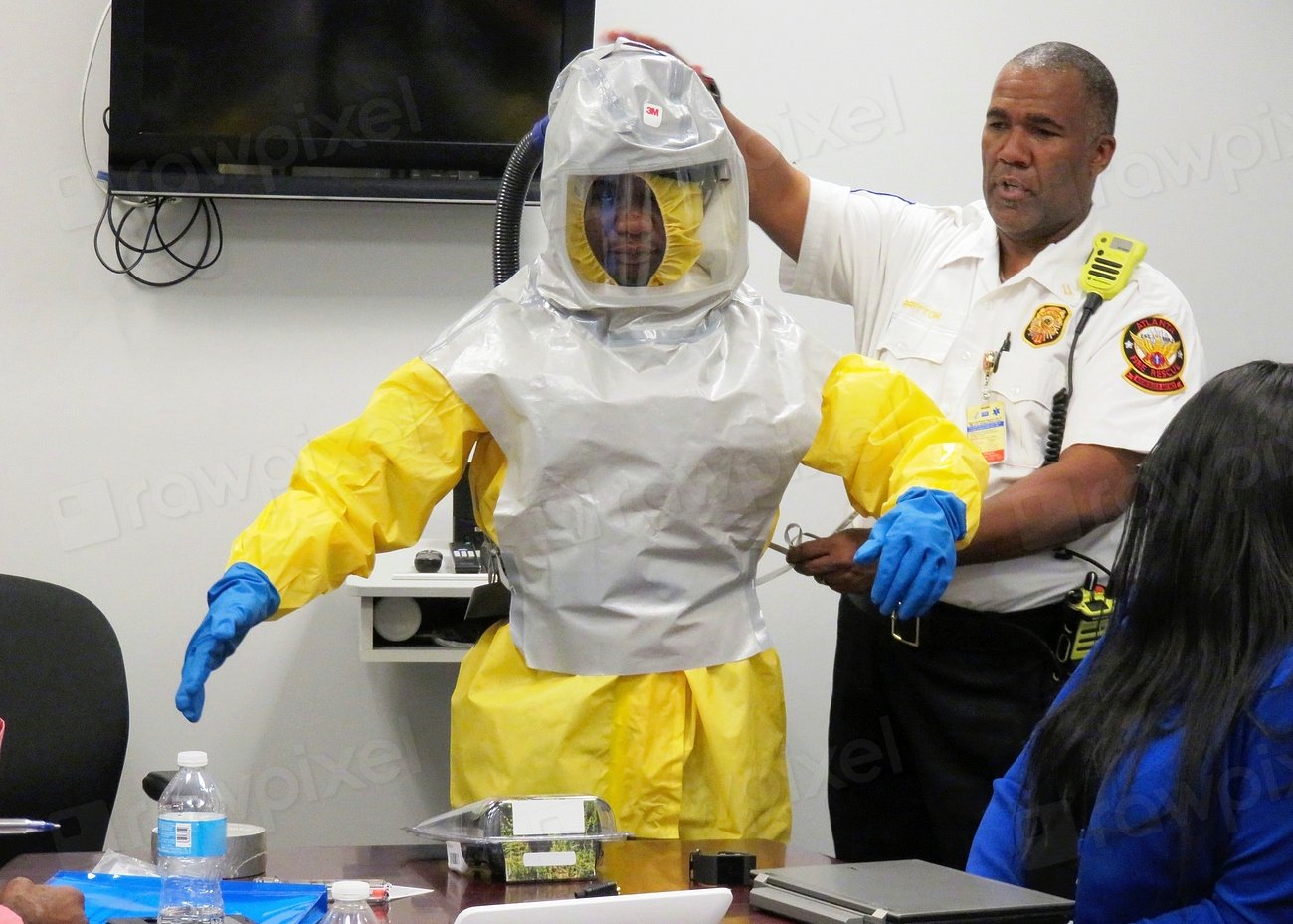
Ebola is a severe viral disease that can cause fever, weakness, vomiting, diarrhoea and, in serious cases, internal and external bleeding. It spreads through direct contact with the bodily fluids of an infected person, someone who has died from the disease, or contaminated materials.
It does not spread simply because someone shares a room or breathes the same air as an infected person.
Why is the outbreak spreading so quickly?
The biggest challenge is not simply the virus itself. It is the difficult environment in which health workers are trying to contain it.
Eastern Congo has experienced years of armed conflict and insecurity. Attacks on healthcare workers, vehicles and surveillance teams have disrupted efforts to identify infected people, trace their contacts and isolate suspected cases.
There are also shortages of medical supplies, particularly in areas beyond the original outbreak epicentre in Ituri province.
Community distrust has created another challenge, with some residents reluctant to cooperate with health workers and response teams.
The situation has been compounded by strikes among healthcare workers over poor working conditions and unpaid salaries. Some frontline workers reportedly have not received their salaries since August.
This means that even when resources are available, getting them to the people and communities that need them remains a challenge.
What about the money pledged to fight Ebola?
There is another troubling dimension to the outbreak.
According to Africa’s public health agency, approximately $2.9 billion has been pledged towards the response. However, less than half of that amount has actually been disbursed.
The funding gap, alongside poor coordination between response partners, has raised concerns about whether the resources are reaching affected communities quickly enough.
Médecins Sans Frontières (MSF) has also raised concerns about shortages of essential supplies and gaps in the outbreak response.
Is this the worst Ebola outbreak in history?
Not yet, but the figures are alarming.
The current outbreak has already surpassed Congo’s previous national record, set during the 2018–2020 epidemic, which recorded 3,481 cases and 2,299 deaths.
The largest Ebola outbreak globally remains the 2014–2016 West African epidemic, which recorded more than 28,600 infections and 11,300 deaths, mainly across Guinea, Liberia and Sierra Leone.
What makes the current Congolese outbreak particularly concerning is its speed. Reuters reports that infections and deaths are increasing at approximately twice the rate recorded during the first six months of the West African epidemic.
What does this mean for Kenya and the rest of Africa?
The outbreak has already had consequences beyond Congo’s borders.
Uganda and Nigeria have also reported cases linked to the regional outbreak, while Kenya recorded nine cases in October after an infected traveller arrived from Congo through Uganda.
Kenya’s outbreak resulted in two deaths, including the initial patient and his mother. Seven other patients recovered, including four healthcare workers. There is, however, some encouraging news.
Kenya discharged its last Ebola patient on November 11, beginning the mandatory 42-day countdown towards an Ebola free declaration. If no new infections are reported, the country is expected to reach that milestone on December 23, 2026.
Authorities have continued surveillance, contact tracing and screening measures as the country monitors the situation.
For now, containing the outbreak depends on strengthening surveillance, improving access to medical supplies, protecting healthcare workers and ensuring that affected communities cooperate with response teams.
It also requires better coordination between the Congolese government, the World Health Organization, Africa CDC and international partners.
The current outbreak is a reminder that responding to an infectious disease requires more than announcing funding or deploying emergency teams. Those resources must reach the communities where transmission is happening. And until transmission is brought under control in eastern Congo, the threat of further cross border infections remains.