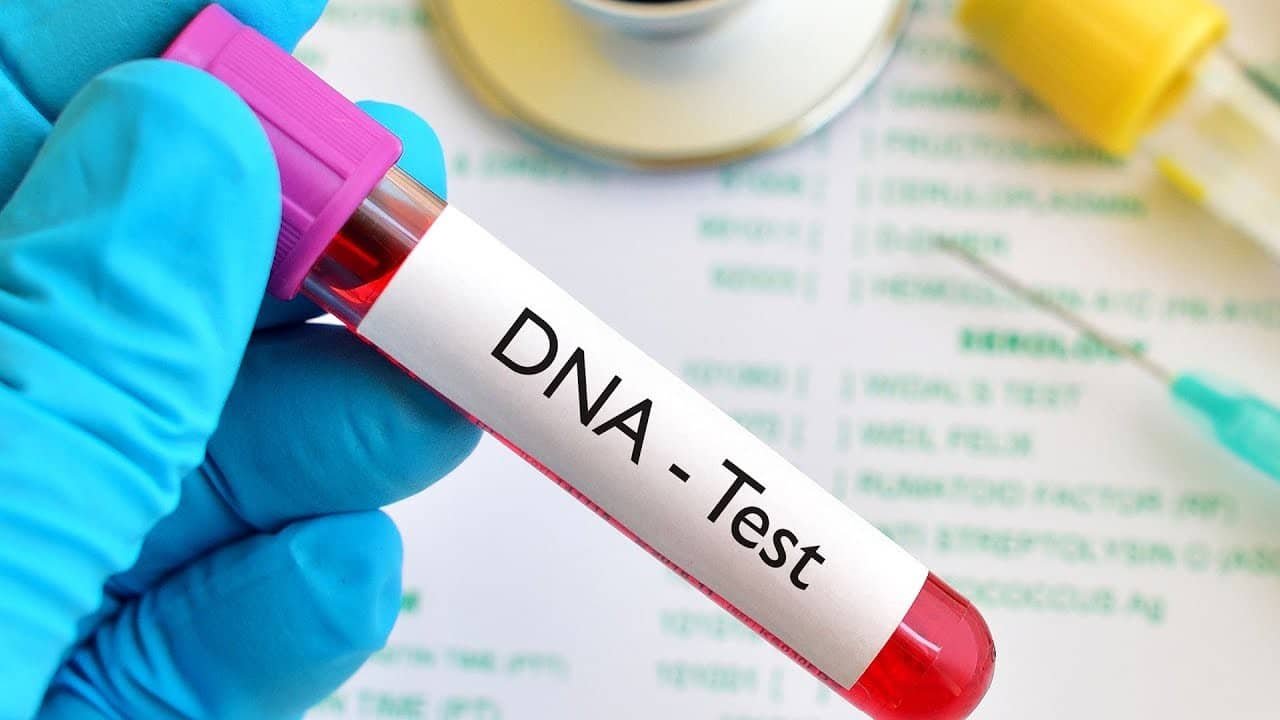
DNA testing has become an essential scientific service in Kenya. Among other reasons, it is used for paternity confirmation, legal disputes, immigration processes, medical investigations and personal knowledge. What was once considered an elusive service (for a few rich) has now become more accessible. Due to the increase in demand, both public and private laboratories across the country now offer DNA testing services under regulated procedures.
This article provides a formal, practical overview of DNA testing in Kenya, including where tests can be carried out, the associated costs, requirements and what individuals should expect from the process.
What Is DNA Testing?
DNA (deoxyribonucleic acid) testing involves analysing genetic material to establish biological relationships or identity. Because DNA is unique to every individual (except identical twins), it is considered one of the most accurate scientific methods for confirming biological connections.
In Kenya, DNA testing is commonly used for:
- Paternity and maternity verification
- Sibling and extended family relationship testing
- Court and legal matters (custody, inheritance, child support)
- Immigration and citizenship applications
- Forensic and criminal investigations
- Personal or peace of mind purposes
Where DNA Testing Can Be Carried Out in Kenya
DNA testing services are available in both government institutions and private accredited laboratories. Although most of them were mainly located in Nairobi, they are also increasingly coming up in other major towns.
Public Institutions
- Kenya Medical Research Institute (KEMRI) – The most widely recognised government institution offering DNA testing, particularly for paternity and legal cases.
- Government Chemist Laboratories – Primarily involved in forensic and criminal investigations, usually through court or police referrals.
- Public Referral Hospitals – Facilities such as Kenyatta National Hospital may facilitate DNA testing by collecting samples and referring them to accredited laboratories.
Private Laboratories and Diagnostic Centres
Several private laboratories offer DNA testing services, especially paternity and relationship tests. These include:
Biotel DNA Testing Centre – Diagnostic center in Westlands offering DNA tests.
DNA Bioscience Center Ltd. – Nairobi-based diagnostic lab with good reviews.
Labtest Zote Diagnostics – Highly rated medical laboratory that offers paternity and other diagnostic tests.
DNA Labs Kenya – Paternity testing services in Mombasa (also has Nairobi branch).
DNA Labs Kenya (Nairobi) / DNA Labs Kenya (Busia) – Other branch locations.
easyDNA Kenya – Offers a range of DNA tests (mixed reviews, contact ahead).
Kenya Dna Diagnostics – Another Nairobi testing facility.
Individuals are advised to confirm that a laboratory is accredited and that its results are accepted by Kenyan courts if the test is for legal purposes.
Cost of DNA Testing in Kenya
The cost of DNA testing varies depending on the type of test, the purpose behind the test and the institution conducting it. Legal and immigration tests are typically more expensive than personal tests because of additional documentation and supervision requirements.
Average Cost Ranges
- Paternity Test (Personal / Peace of Mind): KSh 10,000 – KSh 30,000
- Paternity Test (Court Admissible): KSh 20,000 – KSh 40,000 or more
- Immigration DNA Test: KSh 30,000 – KSh 50,000
- Sibling or Family Relationship Tests: KSh 25,000 – KSh 45,000
- Forensic or Advanced DNA Analysis: KSh 50,000 and above
Government institutions such as KEMRI generally charge standardised fees, while private laboratories may vary based on turnaround time, additional services or documentation.
Requirements for DNA Testing in Kenya
The requirements differ depending on whether the test is for personal use or legal purposes.
General Requirements (All Tests)
- Physical samples from all individuals being tested
- Common sample types include cheek (buccal) swabs, blood samples or other biological material
Additional Requirements for Legal or Court Admissible Tests
- Physical presence of all parties during sample collection
- Valid identification documents (national ID or passport for adults)
- Birth certificates for minors
- Written consent from all individuals involved
- Supervised sample collection to maintain chain of custody
- Official documentation confirming that samples were collected and handled according to legal standards
Without these procedures, DNA results may not be accepted in court or by government institutions.
How the DNA Testing Process Works
The DNA testing process in Kenya typically begins with selecting an accredited laboratory, a decision that should be guided by the purpose of the test. This could be personal, legal or immigration related. Once a suitable facility has been identified, an appointment is booked, which is especially important for tests that require legal validity or embassy acceptance.
On the scheduled date, samples are collected from the individuals involved. In most cases, this involves a painless cheek (buccal) swab, carried out under supervision where legal standards must be met. The collected samples are then forwarded to the laboratory for analysis, where genetic markers are carefully examined and compared using established scientific methods.
After analysis is complete, results are issued in an official written report. Depending on the laboratory and the type of test conducted, results are usually available within three to ten working days and may include certification or official stamps for legal or institutional use.
Results are issued in written form and may include official stamps or certifications for legal use.
Accuracy and Reliability of DNA Tests
DNA testing is considered more than 99.9% accurate when conducted by accredited laboratories using standard scientific procedures. Errors are rare and usually linked to improper sample handling or use of non accredited facilities.
For this reason, individuals are strongly advised to avoid unverified testing services or informal sample collection methods when results are required for official purposes.
Important Considerations Before Taking a DNA Test
Before undertaking a DNA test, individuals are advised to clearly establish whether the test is intended for personal knowledge or for legal and official use, as this distinction determines the procedures, documentation and costs involved. It is also important to confirm that the chosen laboratory’s results are formally recognized by Kenyan courts, government institutions or even foreign embassies where applicable.
Beyond procedural matters, individuals should take time to consider the possible emotional and legal implications of DNA test results, particularly in cases involving custody or inheritance. Finally, clients should ensure that the laboratory has clear confidentiality and data protection policies in place, explaining how genetic information is stored, used, and safeguarded.
In conclusion, DNA testing in Kenya is widely accessible and increasingly regulated. Regardless of the reason it is being undertaken for, it is essential to choose a reputable and accredited laboratory and comply with the required procedures.
As awareness grows, DNA testing continues to play a critical role in resolving legal and identity related matters across the country.