The global anti aging industry is worth hundreds of billions of dollars. Every year a new cream comes out complete with supplements and beauty treatments that promise to erase wrinkles and slow the aging process.
So how come then that our ancestors were strong and healthy to their eighties? How come they died with all (or most of) their teeth intact when they never used toothpaste a day in their life? That is beacause long before expensive serums lined pharmacy shelves, African communities had already built diets around nutrient rich foods that modern science now recognizes as powerful allies for healthy aging.
From the iconic baobab tree to humble leafy greens sold in local markets, many traditional African foods are naturally rich in antioxidants, healthy fats, vitamins and minerals that help protect the body from oxidative stress – the gradual damage to cells associated with aging.
While it is true that no food can stop the clock – because aging just like death is the one inevitable thing in life – nutrition plays a major role in how we age. It influences everything from skin health and brain function to heart health and inflammation.
Here are 12 African foods worth adding to your plate if you want to age well from the inside out.
1. Baobab: Africa’s Vitamin C Powerhouse
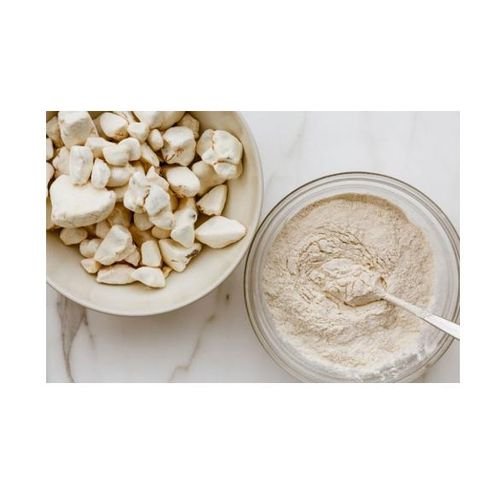
Few fruits can rival baobab when it comes to vitamin C.
The powdery fruit pulp contains exceptionally high levels of vitamin C, along with calcium, potassium, magnesium and dietary fibre.
Vitamin C is essential for producing collagen, the protein responsible for keeping skin firm and elastic. It also helps protect cells against damage caused by free radicals.
Whether mixed into smoothies, porridge, yogurt, or juice, baobab is one of Africa’s greatest nutritional treasures.
“Vitamin C contributes to normal collagen formation for the normal function of skin.”
— European Food Safety Authority
2. Moringa Leaves
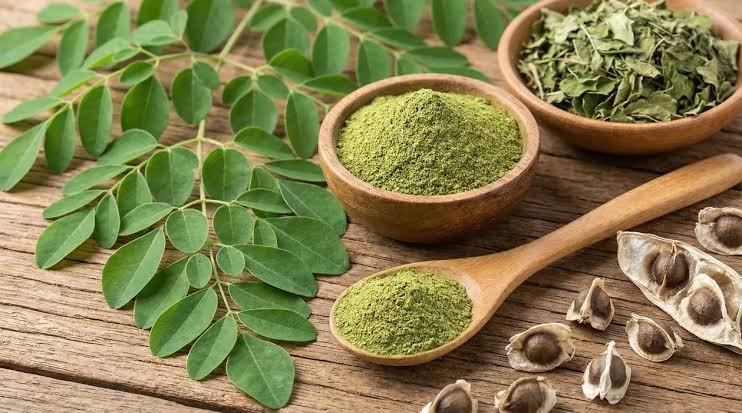
Often called the “miracle tree,” moringa has earned its reputation through an impressive nutritional profile. Truly, it deserves it’s space on the table.
Its leaves contain vitamins A, C and E, alongside calcium, iron, potassium and plant protein.
These nutrients help combat oxidative stress while supporting healthy skin, eyesight and immune function.
Across East Africa, moringa is commonly prepared as tea or cooked like spinach. Most people however, learned of the Moringa from uji power.
Read on 👉So Apparently, That Shrub Outside Your House Is a Super Food
3. Managu and Other Indigenous Greens
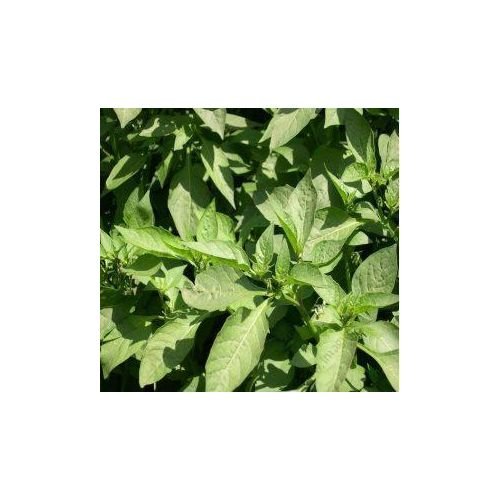
Your grandmother may have been onto something. Traditional vegetables like terere (amaranth, also my favourite), managu, spider plant and Ethiopian kale are packed with vitamins A, C and K, folate and antioxidants.
These nutrients support skin repair, healthy vision and bone strength while helping reduce chronic inflammation. Unlike many imported “superfoods,” these vegetables are affordable and readily available across Africa.
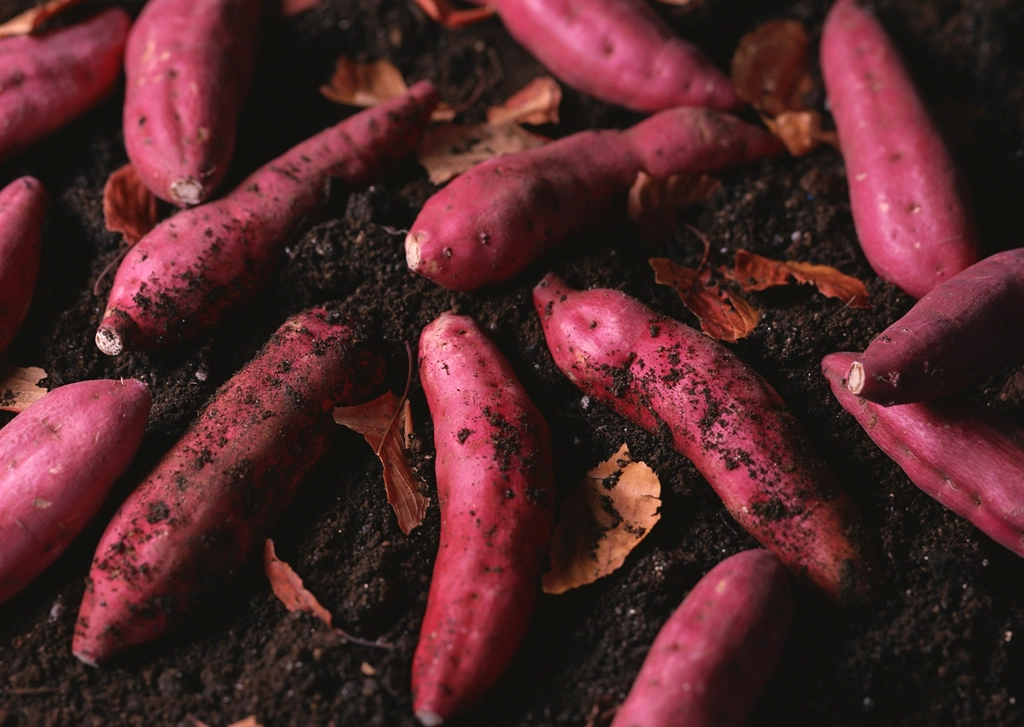
4. Sweet Potatoes
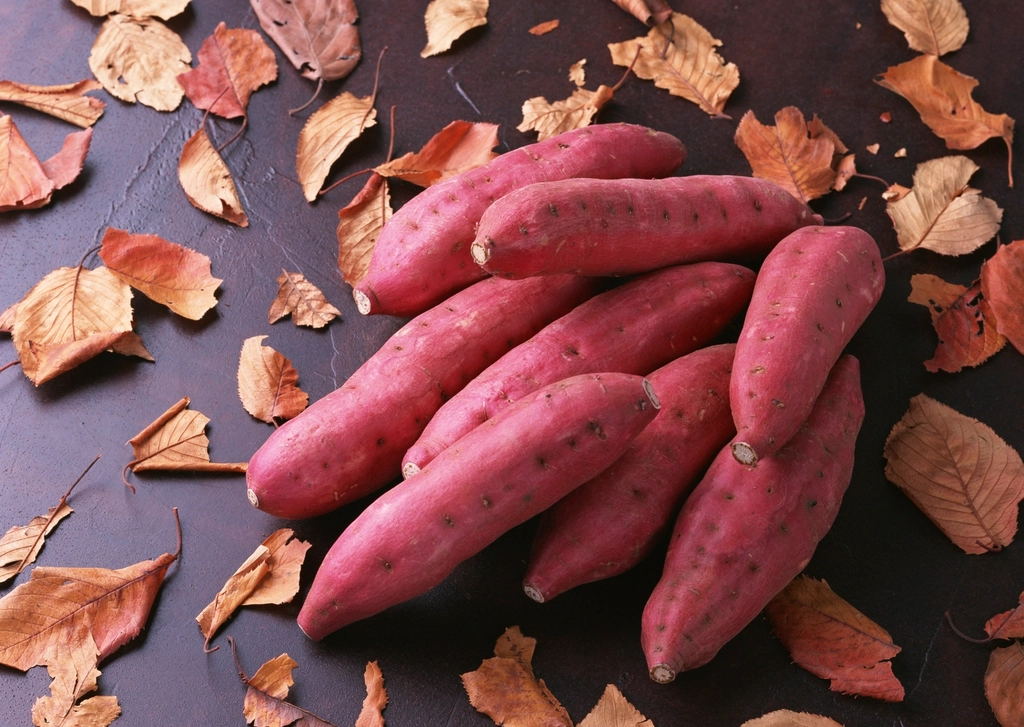
While their vibrant orange colour is attractive, it serves a bigger purpose than just aesthetics. It signals high levels of beta carotene.
The body converts beta carotene into vitamin A, which plays a vital role in skin renewal and immune health.
Sweet potatoes are also rich in fibre, helping maintain healthy digestion and blood sugar levels.
5. Hibiscus Tea
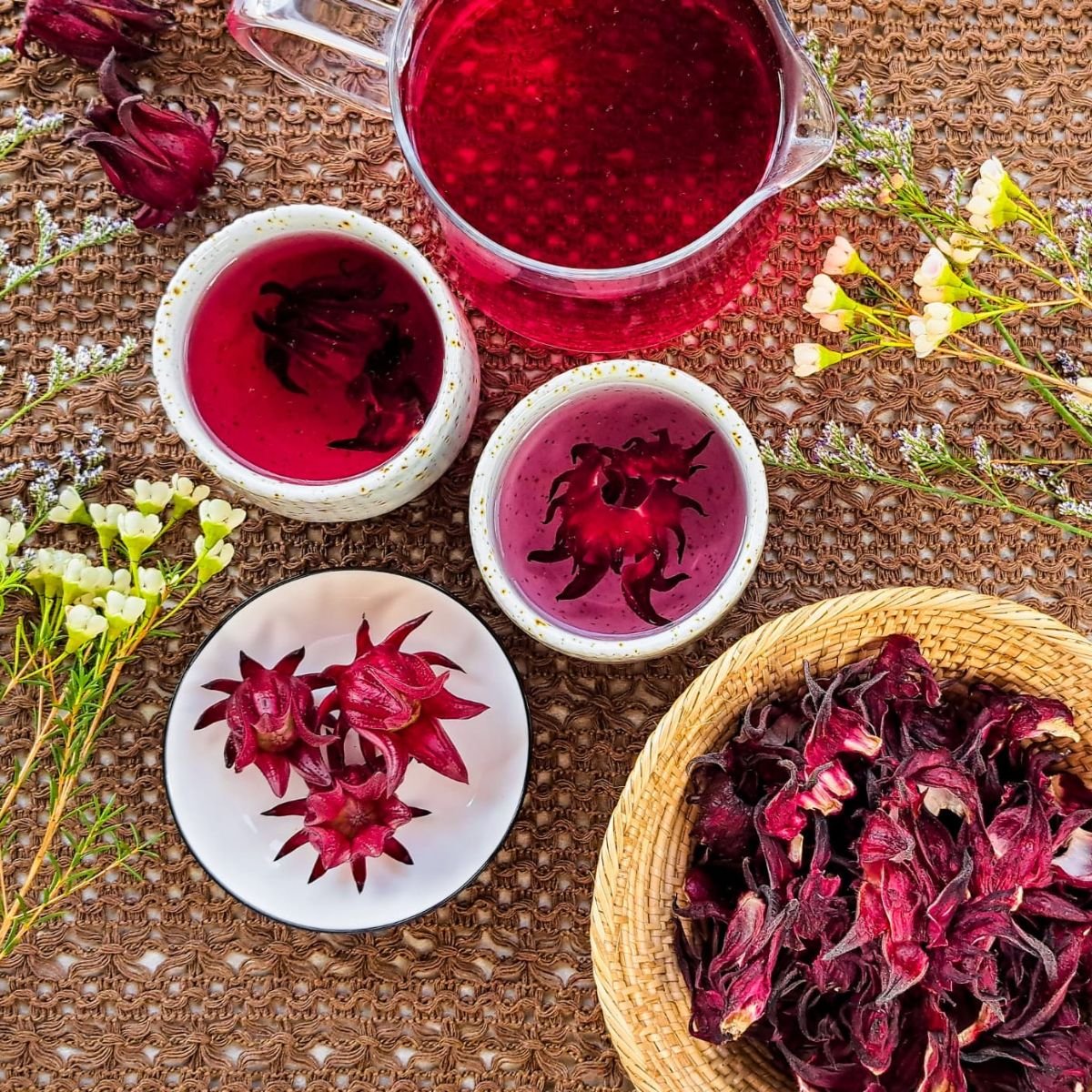
Known by different names across Africa including bissap, sobolo and karkadé, hibiscus tea is naturally rich in anthocyanins, the same antioxidants found in blueberries.
Research suggests these compounds may help reduce inflammation and support cardiovascular health. For maximum benefit, enjoy it without excessive sugar.
6. Avocados
Ahh, watu wa avocado tumefikiwa…
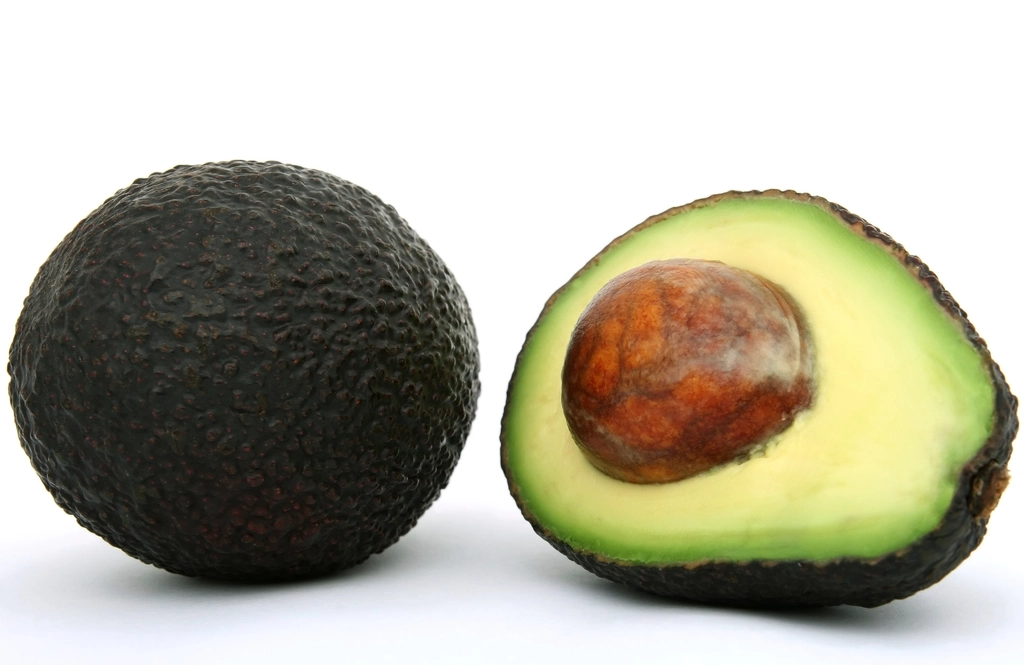
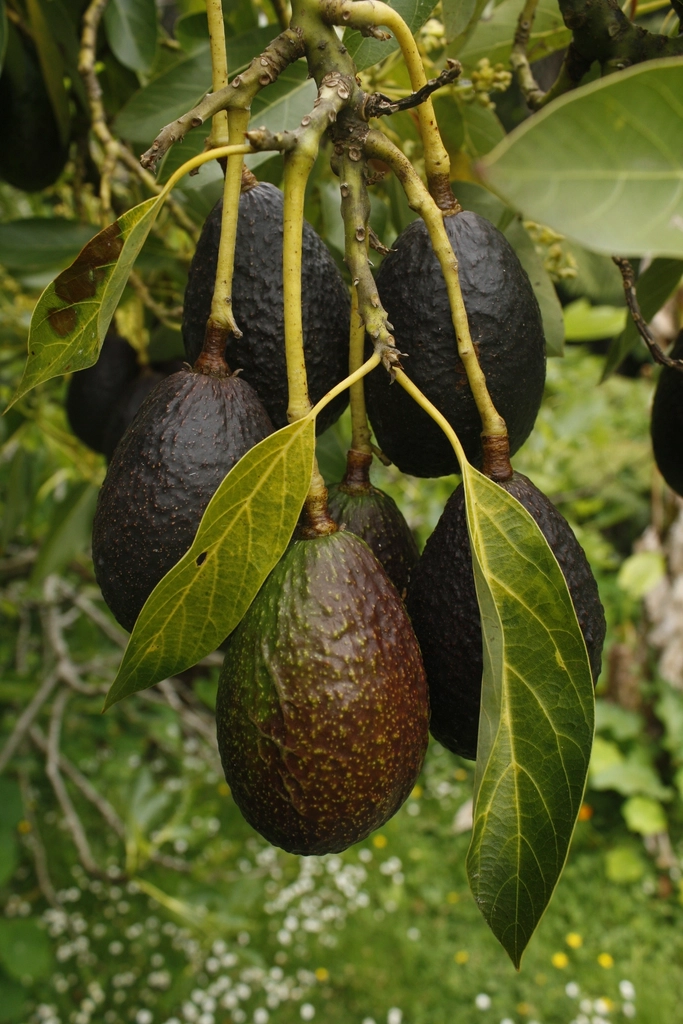
I remember someone poiting out to me how they found it weird that i could eat avocado with almost anything and everything. Omena? Ongeza avocado…pilau? Bring the avocado.. chapati and beans? Avocado please…you get the drift. So imagine how pleasantly surprised i was to learn that the creamy, satisfying and nutrient dense fruit is among the healthiest fats you can eat.
They provide vitamin E, healthy monounsaturated fats, potassium and fibre.
Healthy fats help keep skin moisturised while vitamin E protects skin cells from oxidative damage.
7. Millet and Sorghum
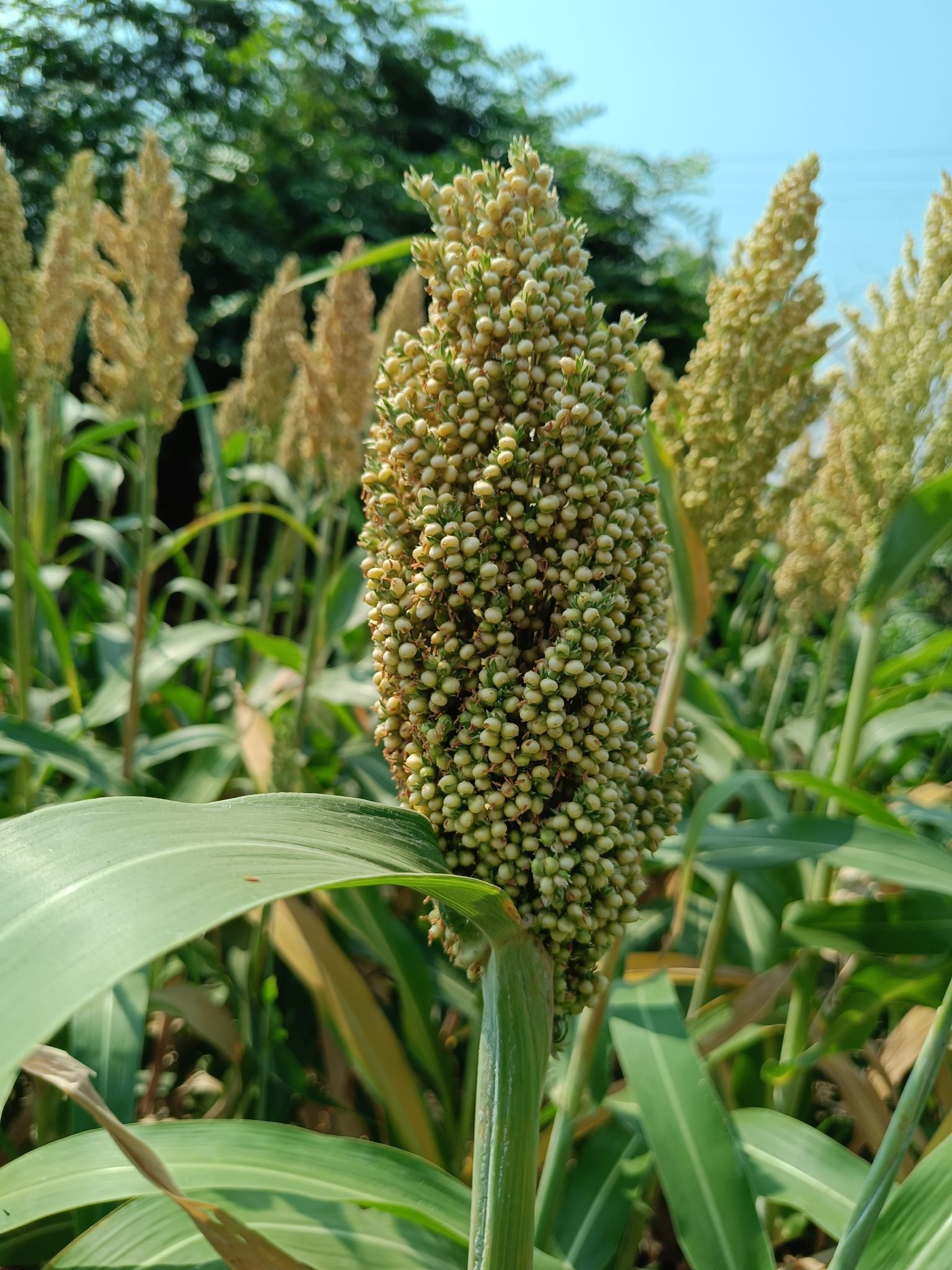
Before refined flour became common, African households relied heavily on ancient grains.
Millet and sorghum contain fibre, magnesium, iron and plant antioxidants that help reduce inflammation and support gut health.
Unlike heavily processed grains, they release energy more gradually, helping maintain stable blood sugar levels.
Read on 👉 7 Things Our African Forefathers Did Perfectly Before Modern Life Ruined Them
8. Fonio
Often called one of Africa’s oldest cultivated grains, fonio has been grown in West Africa for thousands of years.
It is naturally gluten free (as are most ancient African grains) and contains important amino acids, fibre and minerals.
As interest grows in traditional diets, fonio is receiving renewed attention as both a sustainable crop and a nutritious staple.
9. Groundnuts
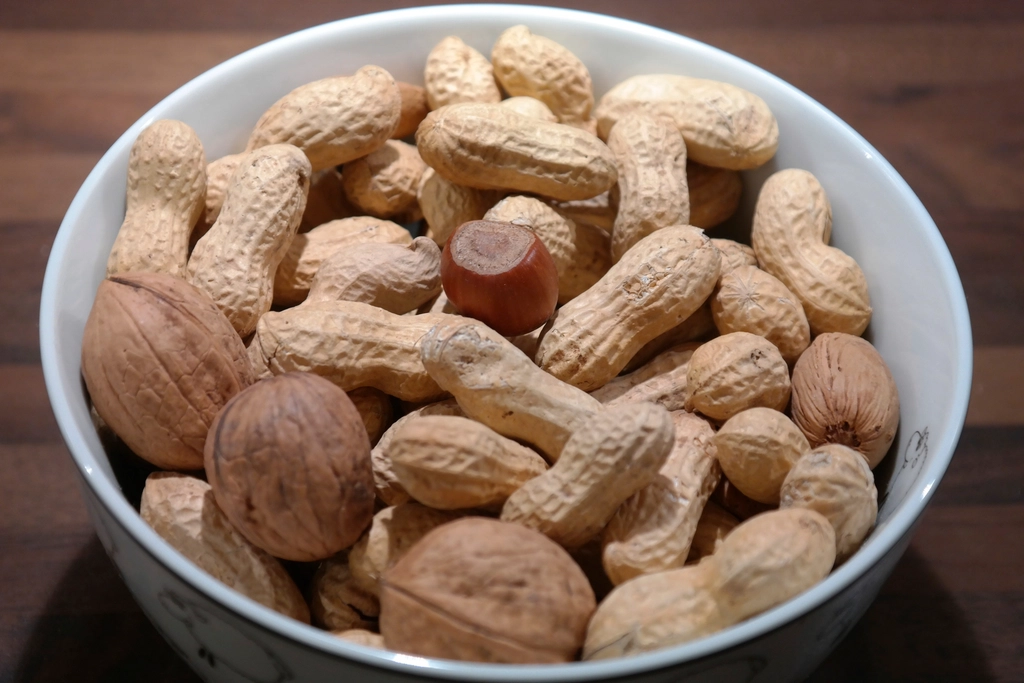
Groundnuts provide an excellent combination of protein, healthy fats and vitamin E.
Vitamin E is particularly important because it helps protect skin cells against oxidative stress.
A handful of unsalted roasted peanuts makes a filling and nutrient rich snack.
10. Beans and Cowpeas
Beans remain one of Africa’s nutritional powerhouses.
Whatever the type of bean (no pun intended), they supply plant protein, fibre, iron, zinc and folate.
Protein supports tissue repair while fibre promotes gut health, an increasingly important factor in healthy aging.
11. Oily Fish
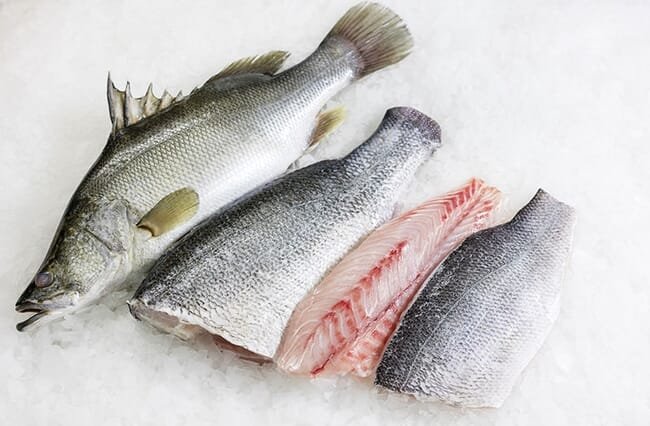
Communities living around Africa’s lakes and coastlines have long enjoyed fish rich diets.
Species such as sardines, mackerel and Nile perch provide omega-3 fatty acids that help reduce inflammation and support brain and heart health.
Omega-3s are also associated with healthier, more supple skin. Truly I cannot even begin to cover the benefit of that fish on your plate…it’s endless.
12. African Spices
Many African kitchens are filled with ingredients that do more than flavour food.
Ginger, garlic, turmeric, cloves and cinnamon all contain plant compounds with antioxidant and anti inflammatory properties.
Using these spices regularly may help reduce chronic inflammation, now considered one of the major contributors to age related diseases.
Aging Gracefully Is About More Than Skin
Healthy aging isn’t about looking 25 forever but maintaining strength, mobility, mental sharpness and independence for as long as possible.
Nutrition is only one piece of that puzzle.
Regular exercise, quality sleep, managing stress, avoiding smoking, limiting alcohol and protecting your skin from excessive sun exposure (sunscreen, good people!) all work together with a balanced diet to support long term health.
Is it not encouraging news that many of the foods associated with healthy aging don’t come from expensive health stores but are already growing in African farms, sold in local markets and featured in traditional recipes that have nourished communities for generations?
Sometimes, the secret to aging well isn’t discovering something new, it’s rediscovering what was already on our grandparents’ plates. They do say, after all , that there’s nothing new under the sun.
References
- World Health Organization (WHO). Healthy Diet. https://www.who.int/news-room/fact-sheets/detail/healthy-diet
- Harvard T.H. Chan School of Public Health. The Nutrition Source: Antioxidants. https://nutritionsource.hsph.harvard.edu
- European Food Safety Authority (EFSA). Vitamin C and Collagen Formation. https://www.efsa.europa.eu
- United States Department of Agriculture (USDA). FoodData Central. https://fdc.nal.usda.gov