Growing older is realising thay Africa has never been short of ways to show up for one another. This amazing culture that somehow, we were made to think was not enough, or even primitive.
We sometimes forget just how rich our traditions are, especially as funerals become more organised, more expensive and in some ways, more formal. But go back to the village and you will find a very different kind of support system that does not always require anyone to ask for help.
When someone dies, people simply come. Someone arrives carrying food,.snother comes with a jerrican of water while someone else brings firewood. A neighbour may spend the day at the homestead cleaning, cooking or helping to prepare food for the seemingly endless stream of mourners. Others bring vegetables from their farms, slaughter an animal or contribute whatever they have.
And then there are the daily harambees happening right there in the compound, as relatives, neighbours, friends and well wishers contribute what they can towards the funeral expenses. There were never carefully worded emails explaining what the bereaved family requires.
You look around, you see what needs to be done and you do it.
There is something beautiful about that kind of communal grief. That a grieving family does not have to carry everything alone. I can’t help but wonder, are we losing that communal spirit?
Of course, life has changed. Many of us now live in cities, work long hours and are miles away from the villages where these traditions remain part of everyday life. We may send our contribution through MPESA instead of arriving with a sack of maize, or order food instead of cooking it ourselves. And sometimes, our way of showing up is simply sending money to the family WhatsApp group.
However, the principle remains the same.
So, if you are attending a funeral, visiting a bereaved family or wondering what you can do to make a difficult time a little easier, just know that while there is no universal list of things you must carry to a funeral, there are things that can genuinely help a grieving family.
1. Money is often one of the most useful things you can bring
Funerals can become expensive very quickly.
There may be transport costs, food, tents, chairs, funeral home expenses, burial arrangements and countless smaller expenses that nobody thinks about until they appear.
That is why financial contributions are common at Kenyan funerals. You may contribute through a family WhatsApp group, send money directly to a family member or hand over a contribution in person.
There is no need to compete with anyone else. Give what you can afford. The point is to support the family and not to turn grief into a fundraising competition.
2. Food is always complicated, but sometimes very welcome
When people are grieving, cooking may be the last thing they want to think about, yet visitors still need to eat.
If you are close to the family, bringing food can be genuinely helpful. It could be a cooked meal, bread, fruit, snacks, bottled water or ingredients that can be used to prepare meals for visitors.
The important thing is to consider what the family actually needs – there is little point arriving with another enormous tray of food when the kitchen is already overflowing.
And if you are taking food to the bereaved family, remember that grief can affect people’s appetite.
3. Flowers are appropriate, but they are not compulsory
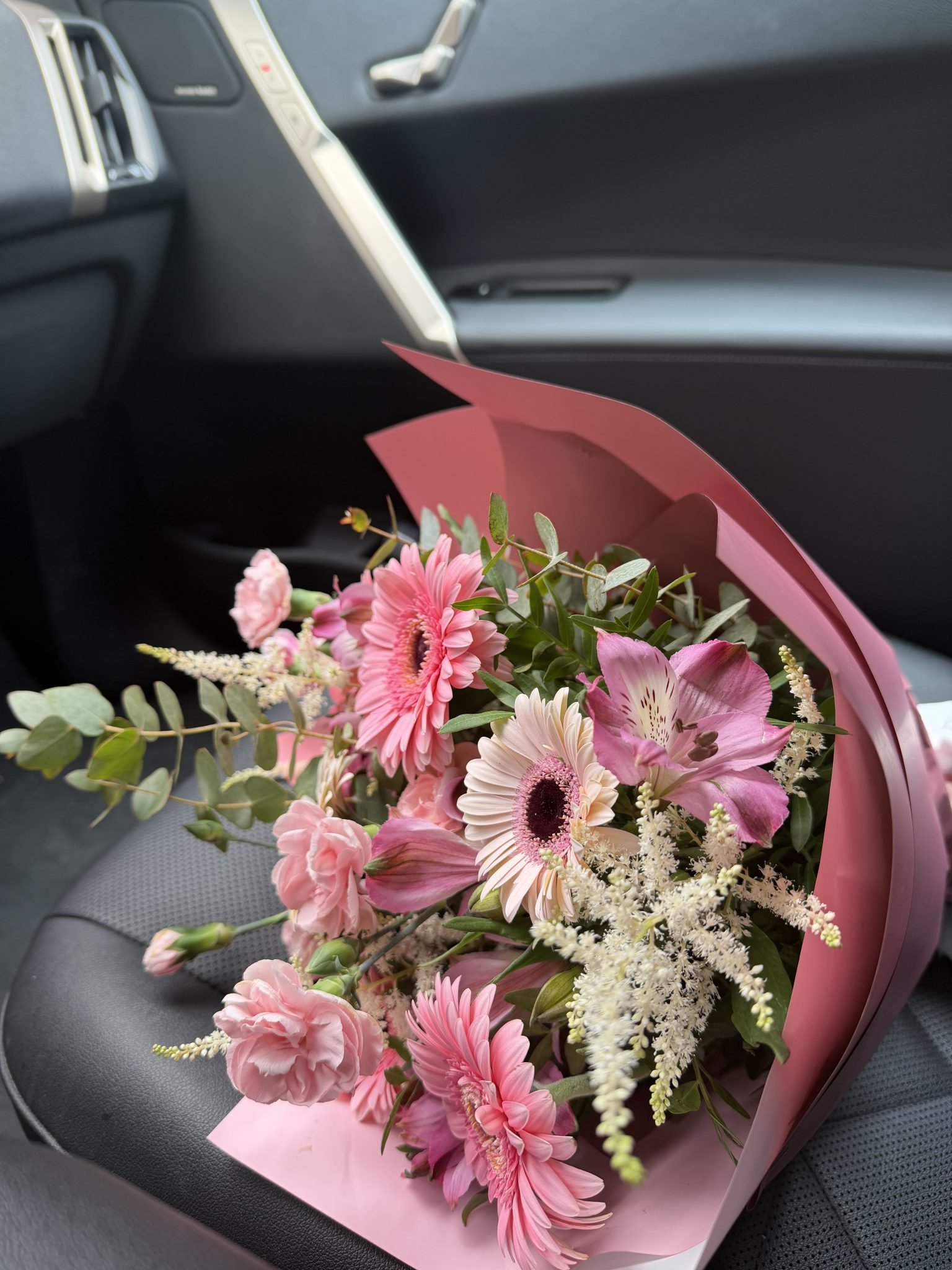
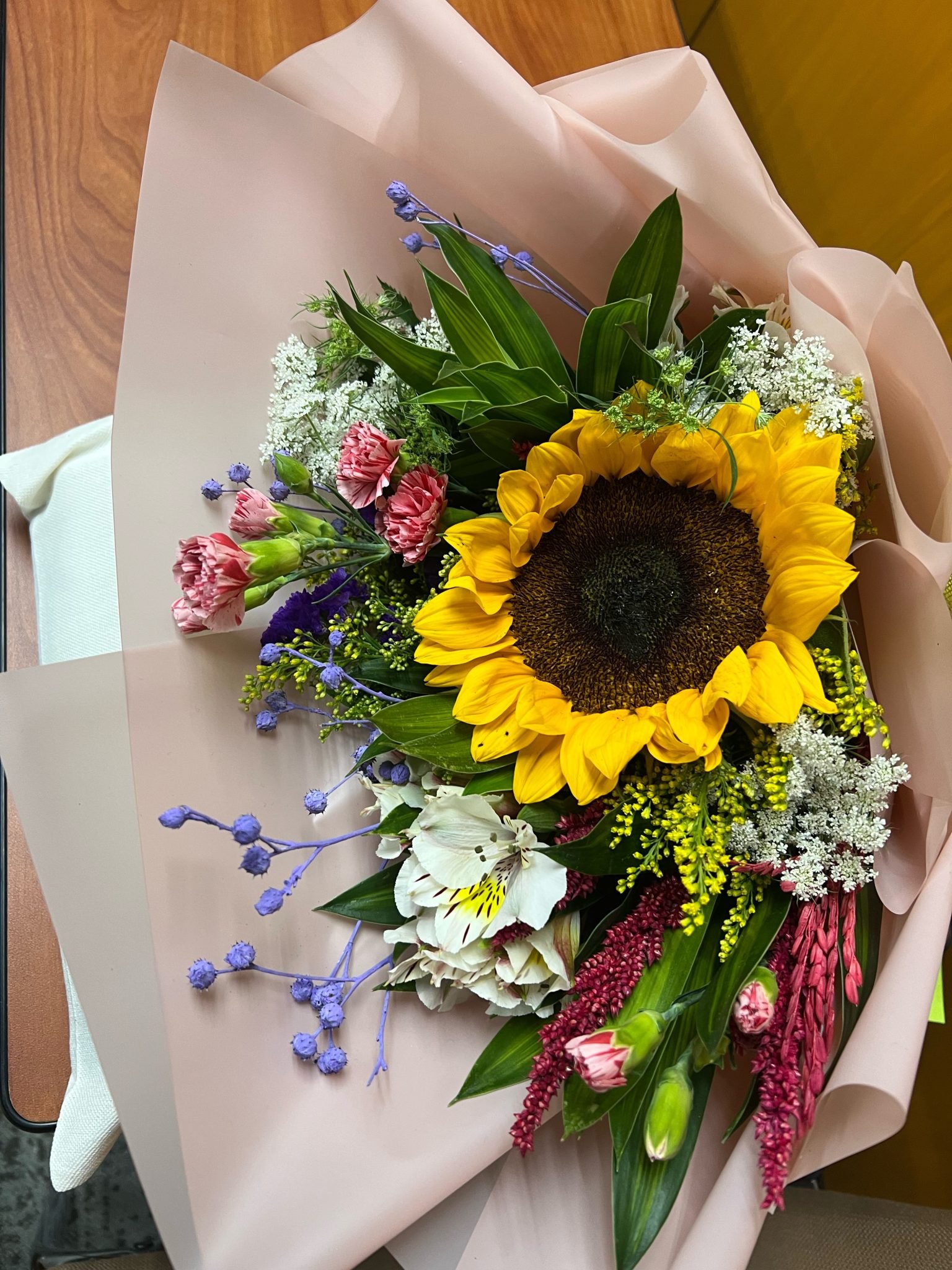
Flowers are a traditional way of expressing sympathy in many cultures.
A simple bouquet can be appropriate when visiting the family or attending a funeral. You do not need an enormous arrangement or an expensive wreath unless that is something you genuinely want to provide.
If the family has specifically requested donations instead of flowers, however, respect that request. Sometimes the most thoughtful gift is not the one that looks impressive but the one that responds to what the family actually needs.
4. What about clothes?
You do not have to arrive at a funeral carrying something for the deceased.
However, if you are very close to the family and know they are struggling with practical arrangements, there may be situations where clothing or other personal items are useful.
This is particularly relevant when the death was unexpected and the family is trying to organise everything at short notice.
If you are unsure, ask. Something as simple as “Is there anything you need me to bring?” can save you from guessing.
5. Water and other small practical things can go a long way
This is the part people often overlook, how at a funeral, small practical items can disappear quickly.
Bottled water, tissues, drinking cups, tea, sugar, bread, milk and other basic supplies may be useful, particularly when people are gathered at the family home for several days.
If you are close enough to help with logistics, you could also offer to pick up supplies, collect relatives from the bus station or airport, run an errand or help organise meals.
6. Bring your contribution, but don’t make the family manage you
This sounds obvious, but grief can make people forget basic things. Therefore, if you are visiting a grieving family, do not arrive expecting them to host you. Do not expect tea immediately. Do not complain about the food or ask why someone has not returned your call.
The family has more important things happening.
If you can make yourself useful, do so. If you cannot, sit quietly, offer your condolences and give them space. Your visit should reduce the burden, not create another one.
7. Should you bring children?
There is no universal answer to this. Children can attend funerals and, depending on their age and relationship with the deceased, being included can help them understand death and participate in family grieving.
But consider the circumstances. If the funeral involves long travel, a very young child, an extremely emotional environment or a burial that may be difficult for them, you may need to make different arrangements.
If you do bring children, prepare them beforehand. Explain where you are going, what they are likely to see and how people may behave.
A funeral is not the place to suddenly discover that your child has never heard the word “burial” and thinks everyone is going for a picnic.
8. What should you not bring?
Sometimes knowing what not to bring is just as important. Avoid bringing anything that creates unnecessary work for the family.
That could include complicated food that needs special preparation, gifts that require storage or anything that puts pressure on the bereaved person to respond.
You should also avoid turning the funeral into a fashion show. Yes, funerals have their own unofficial dress codes, and some people will absolutely spend more time discussing someone’s outfit than they should. But the occasion is about the person who has died and the people grieving them.
If you are unsure about funeral clothing, keep it respectful, comfortable and understated.
Some losses can also make showing up even more important. When someone has died by suicide, families may be dealing not only with grief, but also with difficult questions, guilt, stigma and a sense of isolation. If you are supporting someone through such a loss, being present without demanding explanations can be one of the kindest things you can do.
We have also looked at what it can be like to grieve someone who died by suicide, including the complicated emotions and unanswered questions that can follow such a loss.
9. You don’t have to bring anything
This may be the most important point.
You do not need to arrive carrying flowers, food, money or a gift to prove that you care.
Sometimes you simply cannot afford to contribute financially, or maybe you live too far away to bring anything.
Sometimes the family has already organised everything they need, and sometimes the most meaningful thing you can do is sit beside someone you love and say, “I am sorry. I am here.”
There is a tendency to measure support by what we give materially. But grief is not an occasion where the size of your contribution determines the depth of your love. Showing up matters too.
10. When visiting the bereaved at home
A visit to the family home can be very different from attending the actual funeral.
The family may be receiving people for several days, sometimes weeks after the death. They may be tired of repeating the same story, answering the same questions and making the same cup of tea.
Keep your visit considerate. Bring something practical if you can. Stay for an appropriate amount of time. Help if there is something obvious that needs doing. Most importantly, let the bereaved person decide whether they want to talk.
Always remember that you do not always need to fill the silence; sometimes sitting quietly with someone is a form of companionship too.
The best thing you can bring is consideration
There is no perfect funeral contribution. For one family, a financial contribution may be the most useful thing while or another, it may be food. For someone else, it may be helping with transport, making phone calls or simply sitting with them when everyone else has gone home.
The goal is not to arrive looking generous but to arrive thinking about what the grieving family needs.
And if you have absolutely nothing to bring, go anyway and bring yourself, your kindness and your willingness to listen.