Your Home Is Becoming More Responsive.
Think about how much of your day at home happens almost on autopilot. The fridge is opened before breakfast, the washing machine gets a load going, the TV comes on in the evening and somewhere in between, your phone is probably doing its own share of the work.
We have become so used to having technology around us that it is easy to forget just how much of our everyday routine now depends on it. What is changing, however, is not simply the number of smart devices finding their way into our homes, but the way those devices can start talking to each other.
A television, smartphone, refrigerator or washing machine can each make life a little easier on its own. But when they are connected within one ecosystem, they can become part of something much more useful: a home that responds to the way you actually live.
That is the idea behind connected living. Instead of moving from one device to another and managing everything separately, connected technology brings different parts of the home together, giving you more control, more visibility and, ideally, a little less to think about.
And perhaps that is where the real appeal of the smart home lies. It is not necessarily about having the most gadgets or turning your house into something out of a science-fiction film. It is about making the technology you already use work a little harder for you.
One of the biggest opportunities in connected living is making everyday household tasks less demanding. Technology can take care of some of the small things that would otherwise require attention, while giving consumers information when they need it. In the kitchen, for example, connected appliances can allow consumers to adjust refrigerator temperatures remotely, receive notifications when the door has been left open and monitor energy consumption. This means the refrigerator is no longer simply an appliance that stores food; it becomes part of a wider system that helps consumers manage their home.
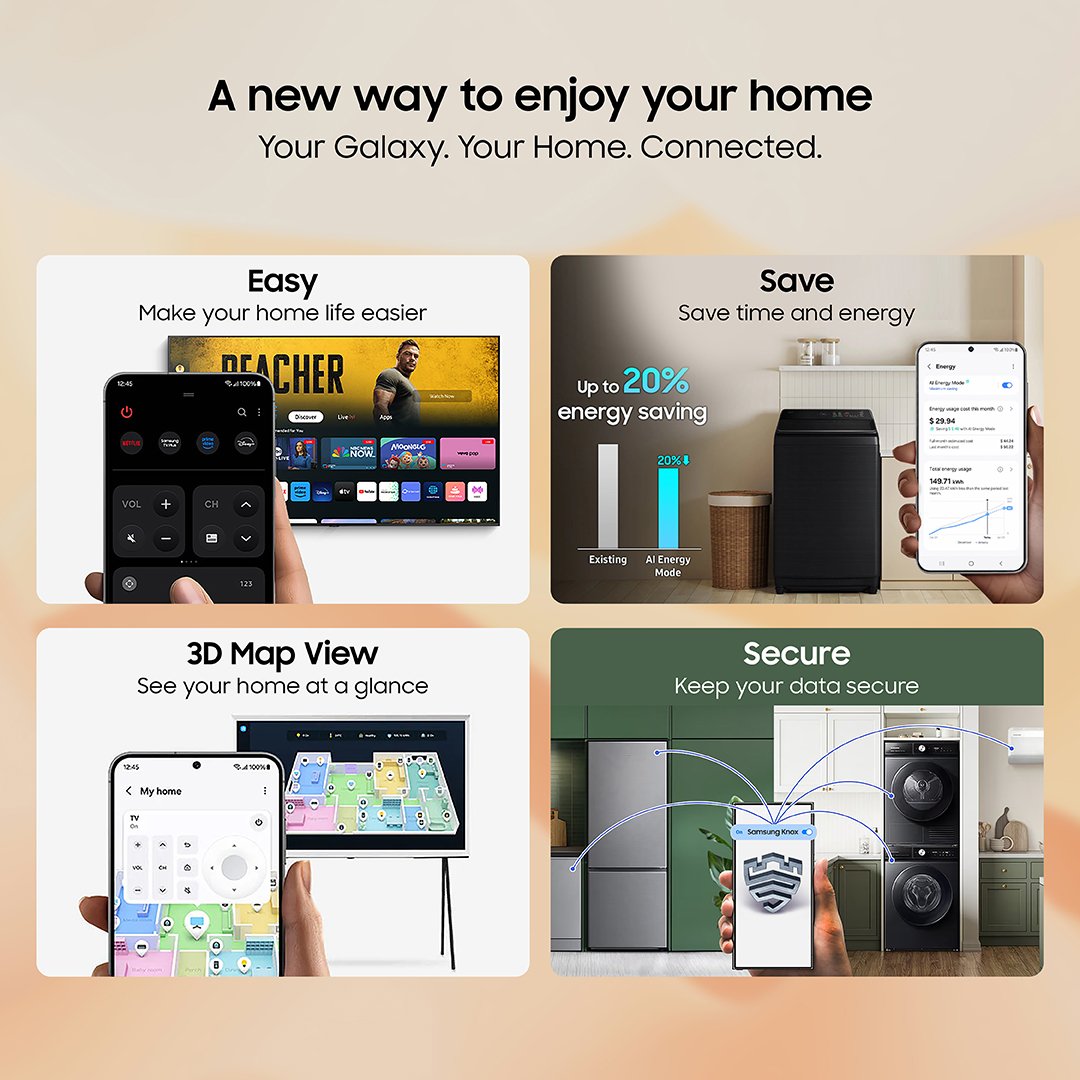
The same applies to laundry. Choosing the right cycle, knowing how to care for different fabrics or identifying an appliance issue can sometimes involve guesswork. Connected Samsung washers and dryers can help simplify this through features such as Laundry Recipe, load optimization, Auto Diagnostics and maintenance alerts.
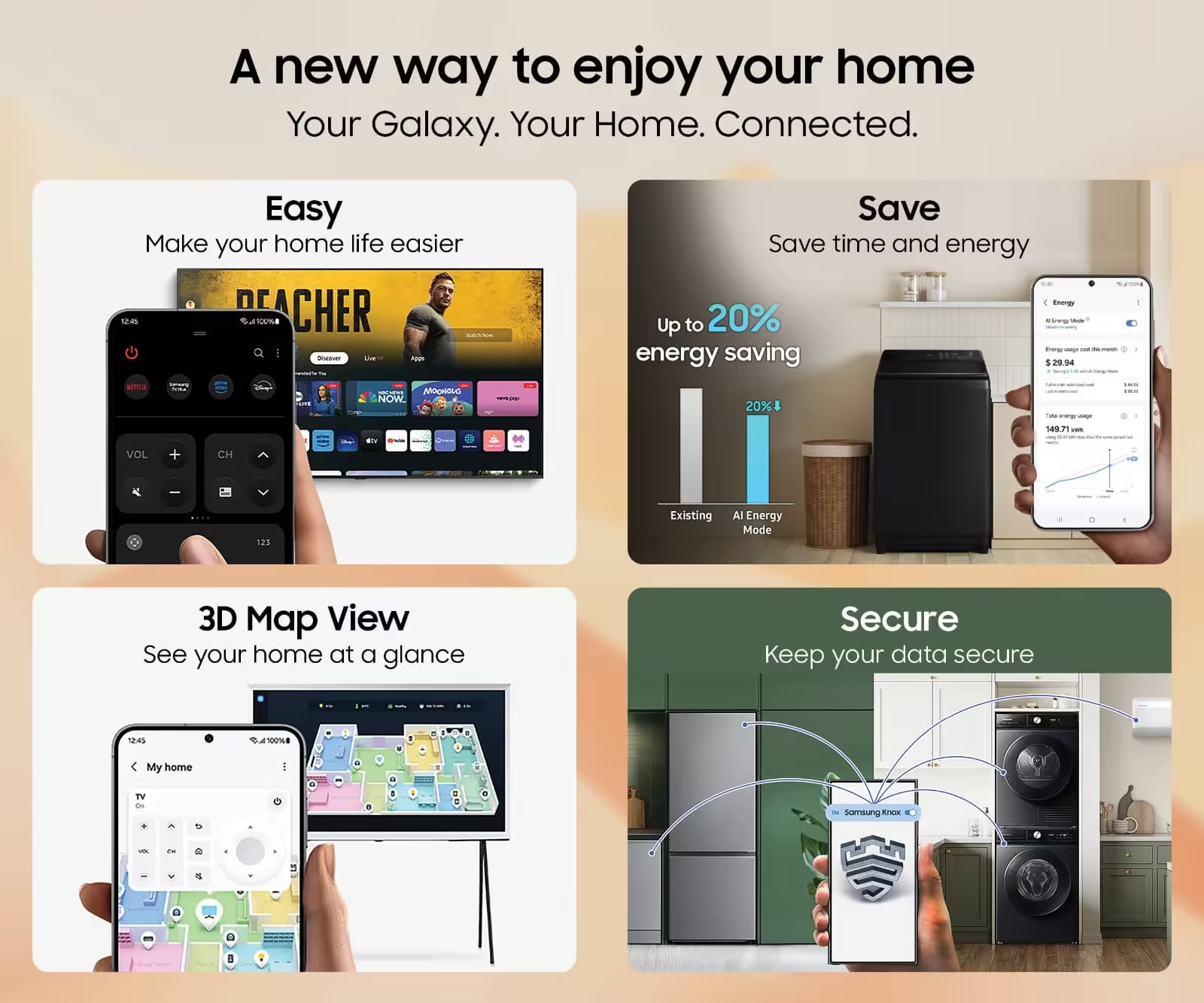
In the living room, connectivity can bring entertainment and home control together. Samsung TVs can connect with Galaxy devices and compatible appliances, with features such as Quick Remote and 3D Map View giving consumers a more convenient way to interact with their connected home. These are practical changes, but they point to how technology is moving from something we actively manage to something that can increasingly support the way we already live.
Energy management is another area where connected technology can make a difference. For many households, understanding which appliances consume the most energy or how usage changes throughout the day is not always easy.
Samsung SmartThings brings greater visibility to this through features such as AI Energy Mode and energy consumption tracking on compatible appliances. Consumers can see more clearly how their appliances are being used and make more informed decisions about their energy consumption. This is an important part of the connected-home conversation. Convenience is valuable, but so is having better information. When consumers can see what is happening in their homes, they have more control over how they use their appliances.
And this is where the value of a connected ecosystem becomes more apparent. A smart appliance can perform useful functions on its own, but when it connects with other devices, those functions become part of a wider experience. Instead of managing technology room by room or device by device, consumers can have different products working together to support the way they live. It is the difference between simply having smart technology in the home and having a home where technology works together around everyday routines. As more consumers become familiar with connected experiences, this is likely to shape what they expect from technology. The focus will move beyond what individual devices can do to how well they integrate into everyday life.
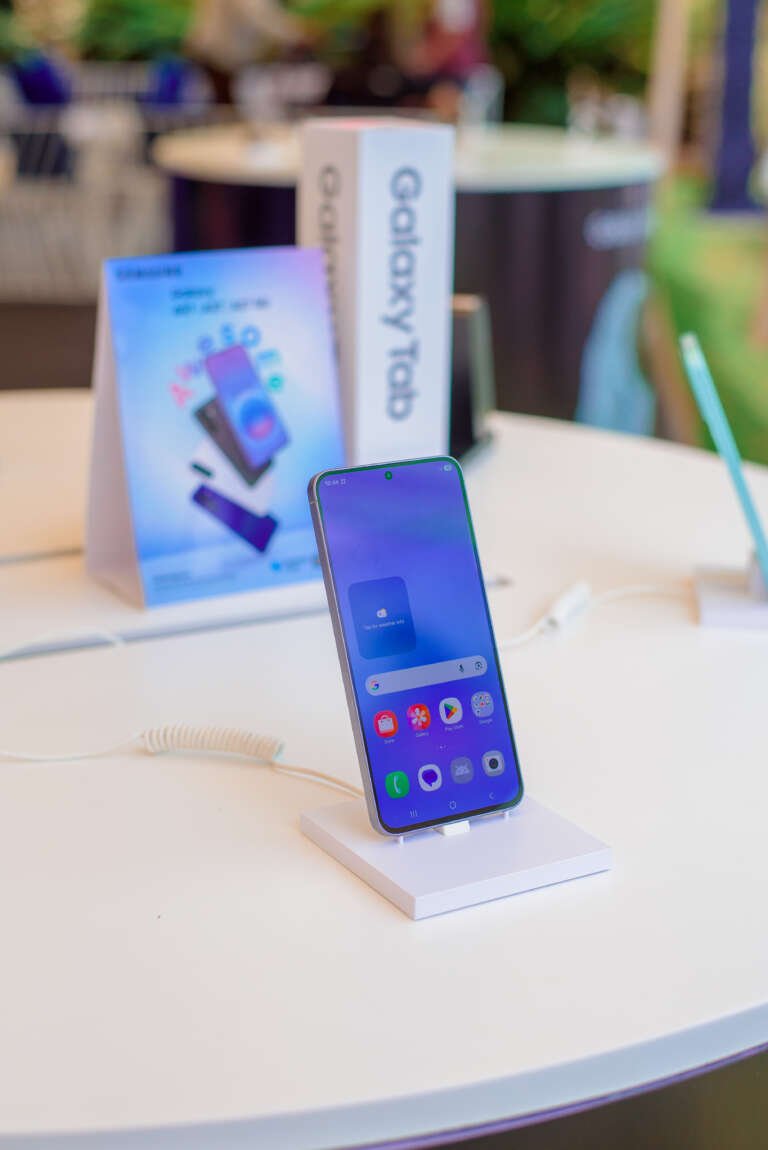
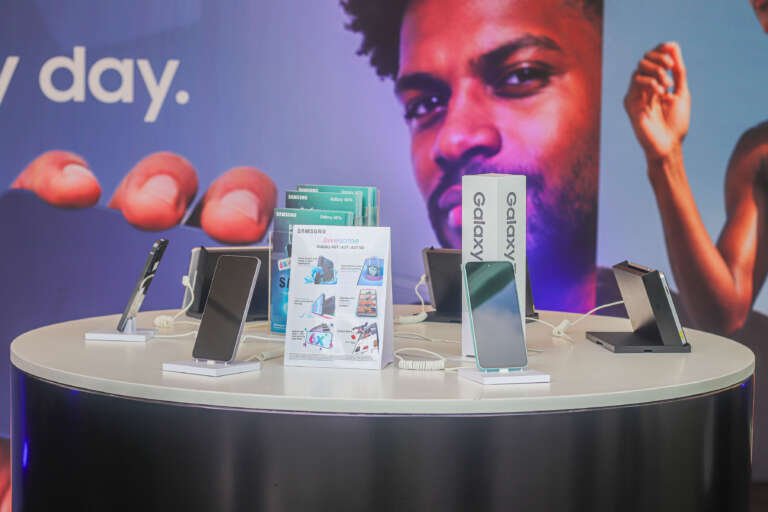
Samsung is giving Kenyan consumers an opportunity to experience this shift through its Connected Living Experience, which will bring the connected home to the Sarit Mall in Nairobi from 2nd October 2026 to 4th October 2026.
Visitors will be able to explore Samsung’s connected ecosystem across the living room, kitchen and laundry room, seeing how Galaxy devices, TVs and AI-enabled home appliances can work together through SmartThings. The experience is designed to move connected living from an idea on a screen to something consumers can see, interact with and understand in the context of their own daily routines.
The future of the home is therefore not simply about adding more technology. It is about making the technology already around us more useful, more connected and easier to manage. And as the home becomes more responsive, the measure of innovation may be how naturally that technology fits into everyday life.