You do not necessarily need a safari vehicle or a flight to Kenya to get a glimpse of the country’s wild side anymore.
The Kenya Wildlife Service (KWS), in partnership with wildlife broadcaster WildEarth, has launched KenyaLIVE, a new live-streaming initiative taking Kenya’s wildlife and conservation activities directly to audiences around the world.
Unlike the carefully edited wildlife documentaries many of us are used to watching, KenyaLIVE is designed to show nature as it happens minus scripts or retakes, and no guarantee that an animal will conveniently walk into the frame just when the camera is rolling.
Kenya’s national parks, live on screen
The programme is being rolled out during World Tourism Week, which culminates in World Tourism Day on September 27.
KenyaLIVE is being distributed across more than 16 global platforms, including YouTube, DStv and Roku, with the initiative targeting more than 500,000 daily unique viewers.
It will also be distributed internationally through Samsung TV Plus, Samsung’s free ad supported streaming television service.
The broadcasts will rotate through a number of Kenya’s protected areas, giving viewers the opportunity to see different landscapes and wildlife destinations without physically travelling to them.
The locations include Nairobi National Park, Amboseli, Tsavo East and Tsavo West, the Aberdares, Sibiloi, Meru, Ruma and Mount Elgon, among others. The WildEarth programming also includes a live feed from Governors’ Camp in the Maasai Mara.
WildEarth says its KenyaLIVE programming features expert guides twice a day, Wednesday through Sunday, giving viewers a live window into Kenyan wildlife rather than simply presenting pre recorded footage.
It is not just about watching animals

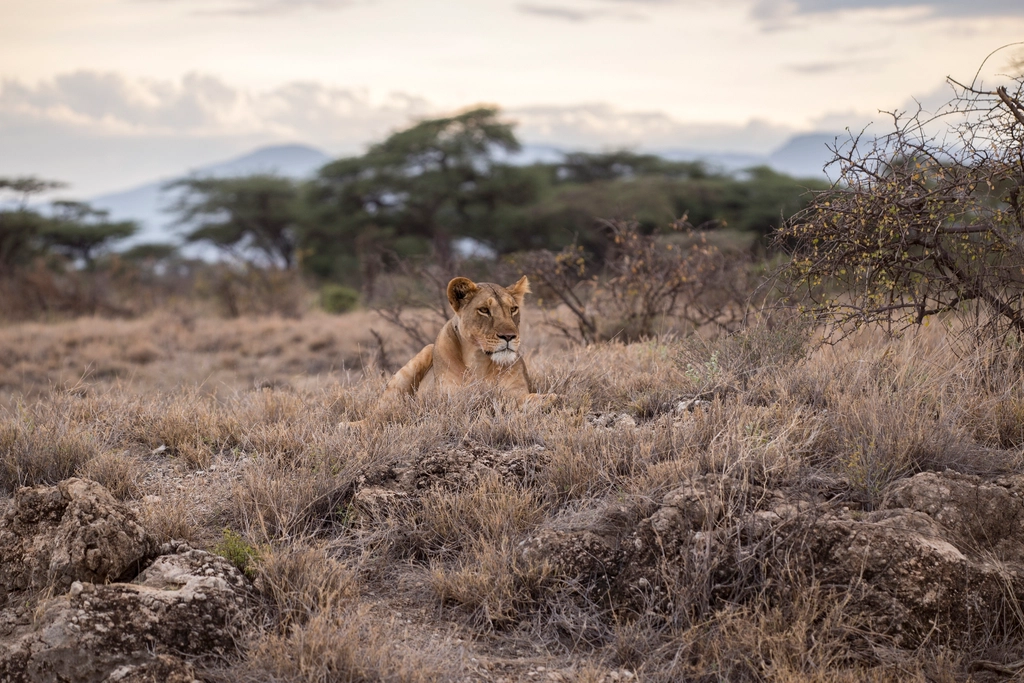
World Travel Adventures/ CC0 1.0
The appeal of KenyaLIVE goes beyond waiting for a lion to appear. The broadcasts are also intended to show the work that goes into protecting Kenya’s wildlife, including conservation activities and the people involved in them.
That gives international audiences a chance to see a side of wildlife tourism that is often missing from polished safari footage. Behind the elephants, giraffes and big cats are rangers, conservationists, scientists and communities whose work helps keep these ecosystems functioning.
The initiative was officially launched at Nairobi National Park, Kenya’s first national park, on September 22.
The choice of location was particularly significant because Nairobi National Park is also an important site for rhino conservation. The launch coincided with World Rhino Day, putting the spotlight on the work being done to protect one of Kenya’s most threatened and closely watched species.
Can a virtual safari bring more people to Kenya?
That is one of the bigger questions behind KenyaLIVE.
Tourism and Wildlife Cabinet Secretary Rebecca Miano has said the livestreams are intended to allow people to experience Kenya’s wildlife wherever they are while encouraging them to eventually visit the country in person.
In other words, the virtual experience is not being positioned as a replacement for the safari. It is another way of putting Kenya in front of people who may never have considered visiting its parks.
The idea also fits into a broader KWS strategy around virtual tourism and digital wildlife experiences.
A KWS expression of interest issued earlier this year specifically sought partners to develop virtual safari broadcasting, digital storytelling and revenue-generating virtual tourism solutions. The proposed project identified livestreaming and 360-degree video as ways of reaching new audiences, promoting less visited protected areas and creating additional economic value from Kenya’s conservation assets.
So KenyaLIVE is not simply about putting a camera in a park. It is part of a larger attempt to take Kenya’s wildlife economy into the digital space.