Beyond the famous safari destinations and cities that dominate travel lists, Africa has smaller towns and lesser known destinations where you can experience beautiful landscapes and unforgettable adventures without necessarily spending a fortune.
For women who want to travel more but are working with a realistic budget, this matters. You do not always need a five star resort, business class flight or a luxury itinerary to have a memorable African holiday. Sometimes, the best trips are the ones where you eat local food, take the scenic route and spend your days discovering a place at your own pace.
There is also something particularly exciting about travelling as a woman, whether alone or with friends. You learn to trust yourself and discover that you are capable of moving through unfamiliar places. If you have ever wondered what solo travel in Africa is really like beyond the glossy Instagram photographs, I previously shared what I learned as a solo female traveller in Africa.
The good news is that you do not have to begin with an expensive international holiday. There are African destinations where your money can stretch considerably further, particularly if you are willing to travel during less busy periods, choose locally owned accommodation and plan your transport carefully.
Here are five worth putting on your travel list.
1. Jinja, Uganda
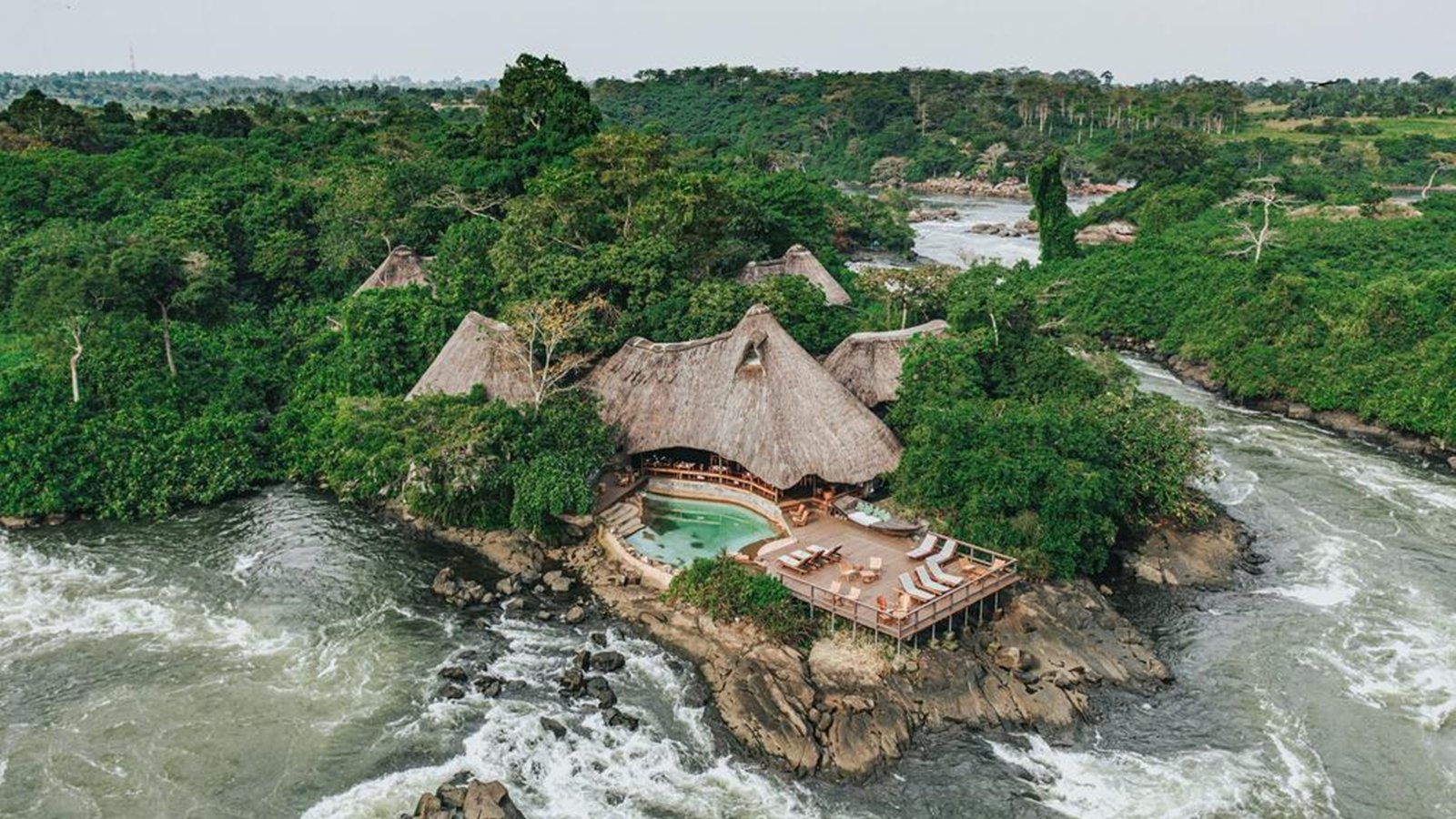
If you want a holiday that combines adventure, nature and a little bit of escape from everyday life, Jinja is an excellent place to start.
Located in eastern Uganda on the banks of the River Nile, Jinja is widely associated with adventure tourism, including white water rafting, kayaking, boat trips and other outdoor activities. But you do not have to spend your entire holiday chasing adrenaline. There is another side to Jinja that makes it appealing to the budget traveller. The town has a relaxed atmosphere, beautiful scenery and plenty of opportunities to simply slow down and enjoy your surroundings.
You can spend one day exploring the town, another beside the Nile and another trying one of the activities the area is known for. Travelling with friends also makes it easier to split certain transportation and accommodation costs.
For a Kenyan traveller, Uganda’s biggest advantage is that it is relatively accessible compared with destinations that require a long haul flight. That means more of your travel budget can go towards actually experiencing the destination rather than simply getting there.
What would accommodation cost?
Current listings show quite a range. Some budget properties in Jinja are around US$13–31 per night, which works out to roughly KSh 1,700–4,000 using about KSh129 to US$1. For example:
- Nnalubaale Resort Cottages — around US$13 / KSh1,700
- HOTEL ZEPTAN — around US$17 / KSh2,200
- Mutima Villa Jinja — around US$24 / KSh3,100
- Tusubira Village — around US$31 / KSh4,000
These are current indicative listings rather than guaranteed December rates, so December prices could be higher, particularly around Christmas and New Year. Booking.com ‘s broader Jinja data puts average 3 star accommodation at around US$18 per night, although weekend prices can rise substantially.
Therefore, if you have roughy KSh2,000–4,500, you are good to go for a night and can get basic, decent stay.
How much would a Kenyan need for a 3-day/2-night Jinja trip?
If we’re talking about a proper budget trip from Nairobi, here are the estimates;
| Expense | Rough budget |
|---|---|
| Nairobi–Jinja return bus | KSh5,000–7,000 |
| 2 nights accommodation | KSh4,000–9,000 |
| Food & drinks | KSh2,500–4,000 |
| Local transport | KSh1,000–2,000 |
| Sightseeing/miscellaneous | KSh1,500–3,000 |
| Estimated total | KSh14,000–25,000 |
Nairobi–Jinja bus fares are currently around KSh2,500–3,500 one way, although fares vary by operator and travel date. Food is also relatively manageable. A cheap restaurant meal in Jinja is currently around 10,000 UGX, roughly KSh350, while local transport can be around 3,000 UGX per trip.
So KSh15,000–20,000 could be a realistic target for someone travelling quite carefully for three days and two nights….but there’s a catch: the activities.
This is where the budget can disappear 😂. Jinja is famous for adventure activities and some of them aren’t cheap. For example, full day white-water rafting on the Nile is currently advertised at around US$120–140, which is roughly KSh15,500–18,000 for the activity alone.
But if the objective is simply a beautiful, affordable getaway, you don’t have to go rafting. You can explore Jinja, enjoy the Nile, visit viewpoints and spend time around the river without turning every activity into a paid excursion.
For Kenyan travellers wondering how far their passport can take them across the continent, our guide to countries Kenyans can visit visa-free is a useful place to start.
2. Cape Coast, Ghana
Image: Encyclopaedia Britannica.
Cape Coast is the kind of destination where a holiday can become much more than a holiday.
Located along Ghana’s Atlantic coastline, the city brings together history, culture, beaches and food. It is home to Cape Coast Castle, one of the country’s most important historical sites and a place that offers a sobering look into the history of the transatlantic slave trade.
That history alone makes Cape Coast worth visiting, but there is much more to the destination than its historical landmarks.
You can explore the coastline, spend time on the beach, try local Ghanaian dishes and venture beyond the main tourist attractions to experience everyday life in the surrounding communities. Cape Coast can also form part of a wider Ghana itinerary, allowing you to combine it with Accra rather than trying to see the entire country in one trip.
But, there is a catch.
While Cape Coast itself is a relatively budget friendly international trip for a Kenyan woman especially if you keep the trip focused on Cape Coast rather than trying to tour all of Ghana, the big thing to note is that the flight will make the trip expensive. So yes, it is affordable once you are there, but getting there will eat a big chunk of your money.
🇬🇭 Rough Cape Coast budget from Kenya
This is a rough estimate for a 4-night/5-day solo trip.
| Expense | Budget estimate |
|---|---|
| Return Nairobi–Accra flight | KSh 105,000–140,000 |
| Accra–Cape Coast transport, return | KSh 5,000–8,000 |
| Budget accommodation, 4 nights | KSh 18,000–30,000 |
| Food, 5 days | KSh 8,000–15,000 |
| Local transport | KSh 3,000–6,000 |
| Cape Coast Castle + Kakum/other activities | KSh 5,000–10,000 |
| Miscellaneous/emergency money | KSh 5,000–10,000 |
| Approximate total | KSh 149,000–219,000 |
Cape Coast itself has genuinely inexpensive accommodation options. Current listings include budget properties from around US$33.62 per night, while a 2026 Cape Coast travel guide puts backpacker accommodation around US$8–18 per night, depending on the type of accommodation.
Tips on how to keep the budget friendly?
- Find a return flight around KSh 105k–120k
- Stay in a simple but well reviewed guesthouse/hostel
- Eat mostly local Ghanaian food
- Use shared/local transport rather than private cars
- Visit Cape Coast Castle and Kakum National Park
- Don’t spend heavily on nightlife or shopping
- Travel outside expensive peak periods
🏖️ What makes Cape Coast worth considering?
For a woman travelling alone, cape coast is more than just a cheap beach destination because it gives you history + culture + nature + coastline in one relatively compact trip. It is also particularly interesting because you don’t need a luxury resort experience to have a worthwhile trip. You can spend your money on the history, beaches, food and experiences instead. Here is what you could do for those days.
Day 1: Accra → Cape Coast, check in and explore
Day 2: Cape Coast Castle + town/beach
Day 3: Kakum National Park
Day 4: Elmina/Elmina Castle + beach
Day 5: Return to Accra → Nairobi
3. Kilifi, Kenya: The Hidden Gem of the Coast
Having lived in Watamu, I can honestly say it remains one of my favourite places on earth. I love Watamu so much – something about the town is difficult to explain until you have experienced it for yourself. The turquoise waters, the slow pace of life, the beautiful beaches and perhaps most importantly, how warm and friendly the locals are. (Today is not the day I talk about the best sea food of my life having been taken in Watamu).
Watamu has a way of making you feel like you have escaped without having to leave Kenya. But today, we are giving the spotlight to Kilifi, another coastal destination that I think deserves far more attention and is highly underrated.
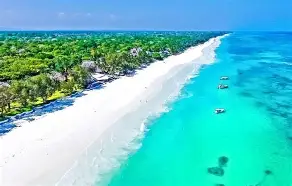
Located between Mombasa and Malindi, Kilifi’s beauty speaks for itself. It is quieter, less commercialized and, in many ways, feels like the coast before mass tourism arrived. The town sits around the beautiful Kilifi Creek, where calm blue waters, mangrove forests and lush greenery create a setting that feels almost unreal.
For a woman looking for a peaceful and relatively affordable getaway, Kilifi is particularly appealing. You can spend your morning by the creek, have a leisurely lunch overlooking the water, explore the beaches or simply do absolutely nothing (which, sometimes, is exactly what a holiday is supposed to be about.)
One of the things I love about Kilifi is that you don’t have to spend a fortune to enjoy it. There are budget friendly guesthouses and camps alongside more luxurious boutique stays, meaning you can choose the experience according to your pocket. Local food is also much easier on the wallet than eating at high end tourist establishments, and much of the joy of Kilifi comes from simply being outdoors and taking in its surroundings.
The famous Kilifi Creek is a major attraction, particularly around sunset, when the water takes on beautiful golden tones. You can also explore the beaches, take a dhow or boat trip, try kayaking or paddleboarding, and visit nearby attractions such as Mnarani Ruins. For travellers who want something more adventurous, the area also offers opportunities for kiteboarding and other water activities.
This is where we also talk about Mambrui, a small coastal settlement just north of Malindi, near the mouth of the Sabaki River. It falls within Magarini Sub-County, Kilifi County. while it is technically in Kilifi County, but many travellers associate it more closely with Malindi because of its proximity to the town and forget to include it in their planning of a Kilifi trip.


Why Mambrui is interesting
Mambrui has a very different feel from the more developed coastal destinations. You get:
- Long, quiet beaches with far fewer crowds
- The striking Mambrui sand dunes (think, Dubai)
- The Sabaki River and its surrounding ecosystem
- A strong Swahili coastal character and local fishing culture
- Beautiful sunrises and sunsets
- A much more peaceful, off-the-beaten-path experience
One of its biggest attractions is the golden sand dunes, which create this almost desert meets-ocean landscape. It is the kind of place that photographs incredibly well but still feels relatively undiscovered.
Let us have a look at a realistic 4-night/5-day solo Kilifi trip from Nairobi.
Rough budget for 5 days in Kilifi
| Expense | Budget estimate |
|---|---|
| Nairobi–Mombasa SGR return | KSh 2,000–3,000 |
| Mombasa–Kilifi return | KSh 2,000–3,000 |
| Accommodation, 4 nights | KSh 8,000–12,000 |
| Food, 5 days | KSh 3,000–5,000 |
| Local transport | KSh 1,000–2,000 |
| Activities/extras | KSh 1,500–3,000 |
| Total | KSh 17,500–28,000 |
The SGR economy fare can be as low as KSh 1,000 each way, while a shared shuttle from Miritini to Kilifi is advertised from about KSh 1,000 per person each way. There are also genuinely inexpensive places to stay. For example, current local listings include Distant Relatives Ecolodge & Backpackers, while some guesthouses and serviced accommodation are listed around the US$10–16 range.
With about KSh 20,000–30,000, you can give yourself a proper 5-day Kilifi escape without needing a luxury budget.
While Watamu is the place I will always happily return to, Kilifi is the hidden gem more people need to discover. It is beautiful without being overwhelming, peaceful without being boring and sufficiently developed to make a short getaway comfortable without losing the charm that makes the Kenyan coast special.
4. Kigali, Rwanda
Kigali is not necessarily the first place people think of when they hear the words “budget holiday”, but Rwanda’s capital deserves consideration if you want a city break that feels different from the usual African travel itinerary. The city offers a combination of culture, food, art, history and urban exploration, and one of its attractions is that you do not necessarily need to spend a fortune on activities to enjoy it.
You can explore different parts of the city, visit cultural and historical sites, discover cafés and restaurants and simply take in the atmosphere. If you are interested in photography, Kigali also provides plenty of visual material, from its rolling hills to its increasingly modern urban spaces.
For a woman travelling alone, the ability to build a relatively simple itinerary can also be appealing. You do not have to book an expensive excursion every day to feel as though you have experienced something.
Kigali can also work as the starting point for a larger Rwanda adventure if your budget and time allow, but the city itself is enough for a short getaway.
🇷🇼 Rough Kigali budget for a Kenyan traveller
For 3 days / 2 nights:
| Expense | Budget estimate |
|---|---|
| ✈️ Return flight Nairobi–Kigali | KSh 30,000–45,000 |
| 🛏️ Accommodation, 2 nights | KSh 5,000–9,000 |
| 🍛 Food, 3 days | KSh 3,000–5,000 |
| 🛵 Local transport | KSh 1,500–3,000 |
| 🎟️ Attractions/activities | KSh 2,000–4,000 |
| ☕ Miscellaneous | KSh 2,000–3,000 |
| Estimated total | KSh 43,500–69,000 |
The biggest variable, just like the Ghana trip, is the flight. If you catch a good fare, roughly KSh 70,000 can be a realistic target for a simple three day Kigali getaway.
5. São Tomé and Príncipe
If your idea of a dream holiday involves tropical beaches, lush forests and the feeling that you have discovered somewhere before everyone else, São Tomé and Príncipe deserves a place on your radar.
The small island (music to every ear?) nation off the west coast of Africa is known for its dramatic natural beauty, volcanic landscapes, rainforests and beaches. Compared with more established island destinations such as Mauritius or Seychelles, it remains relatively under the radar among many African travellers – which is exactly what makes it interesting.
São Tomé is better suited to the traveller who wants nature, culture and quiet exploration rather than a holiday built around shopping malls and nightlife. You can explore the capital, visit old plantations, discover beaches and experience the slower rhythm of island life.
There is, however, an important distinction when calling São Tomé a budget destination: it may not be cheap to reach.
For a Kenyan traveller, the cost and logistics of getting there can make it more expensive upfront than a trip to, say, Uganda or Tanzania. The attraction is that once you have made the journey, you can choose simpler accommodation and local experiences rather than building your holiday around luxury resorts.
So this is less of a “cheap weekend away” and more of a save for it, then travel differently destination.
Why it works for a budget conscious trip: It offers alternatives to luxury island travel once you arrive, although transportation to São Tomé requires more planning and a larger upfront budget.
Best for: Nature, beaches, photography, adventure and travellers looking for somewhere genuinely different.
So, which one should you choose?
The best destination depends on the kind of experience you are looking for and, more importantly, how much you actually have to spend.
If you want adventure, Jinja is an obvious contender. If you are drawn to history and culture, Cape Coast offers an experience that goes far beyond the typical beach holiday. But if you want a coastal escape without leaving Kenya, Kilifi can give you the holiday feeling without the cost of an international flight. Kigali works beautifully for someone looking for a short city break, while São Tomé is for the traveller willing to save a little longer for a more unusual island experience.
And you do not necessarily have to fly everywhere.
One of the best things about travelling around Africa is discovering just how many journeys can be made overland. A road trip can turn the journey itself into part of the adventure, particularly when travelling with friends and sharing the cost. I experienced this firsthand on a budget road trip to Dar es Salaam, which is a reminder that an international African adventure does not always have to begin at an airport.
The same principle applies when preparing for the trip. A carefully planned holiday can help you avoid unnecessary expenses, whether that means paying for excess luggage, buying things you forgot to pack or carrying a suitcase filled with clothes you never actually wear.
If you are planning your next getaway, you can also check out my guide to travelling in style and comfort, including a practical packing guide. Because ultimately, budget travel is not about making your trip miserable just to save money but making smarter choices.
You can choose a guesthouse instead of a luxury hotel, eat local food instead of dining at a resort every night, take a bus instead of a flight where practical and spend money on the experiences that actually matter to you.
Before you book
There is one thing worth remembering when planning an affordable African holiday: cheap should never mean careless.
Research your destination before you travel, check entry and visa requirements, understand how you will get around and read recent reviews before booking accommodation. If you are travelling alone, look beyond generic claims about whether a destination is “safe” and research the specific neighbourhood where you intend to stay, your transportation options and the local customs you should be aware of.
It is also worth keeping an emergency fund separate from your actual holiday budget.
The goal is not simply to travel as cheaply as possible but to travel well, travel wisely and return home with stories worth telling.
Africa is enormous, and there are still countless places waiting to be explored. You do not need to wait until you can afford the most expensive holiday on your Pinterest board.