Tanzania, the country that prides itself in being a peaceful nation – a title that once firmly belonged to Kenya – is bleeding.
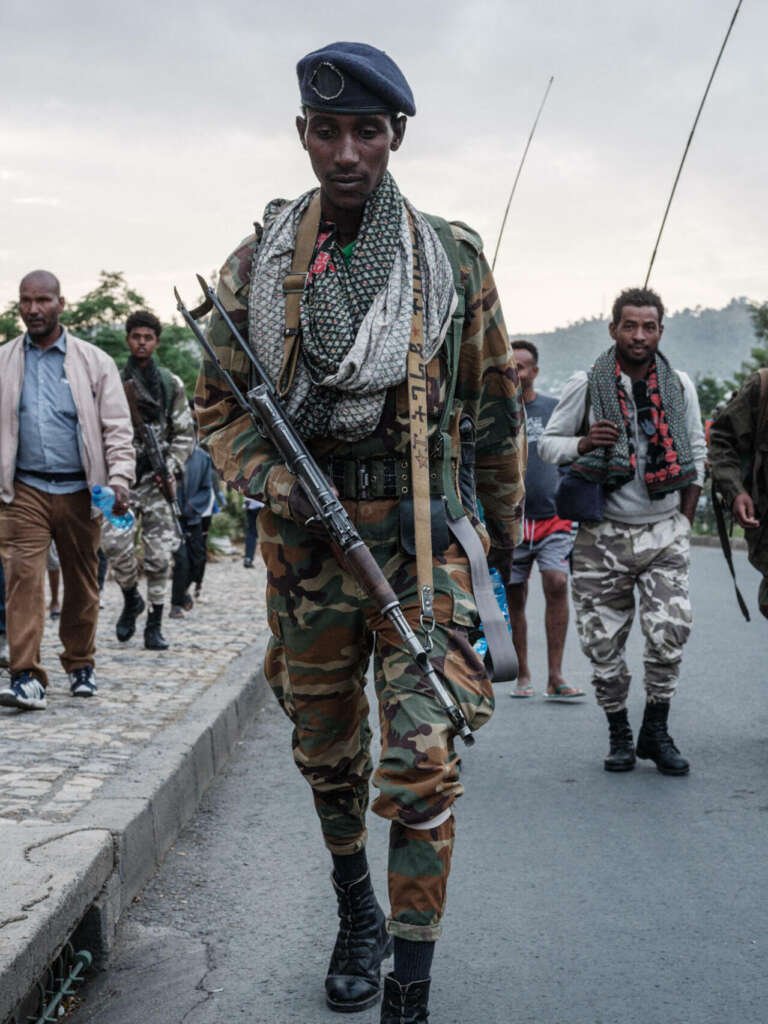
On election day, this country that has on numerous occasions been hailed as one of East Africa’s most stable democracies descended into chaos. All hell broke loose as protesters clashed with police, demanding transparency after reports of irregularities at polling stations. The government of course, did what any “respectable” government worth its salt would do globally. They imposed a curfew and deployed the military across major cities.
And then predictably, the country went dark. The internet was cut off. It’s almost laughable really, how these so-called dictators always follow the script to the letter. And with the cutting off of the internet, went the voices of millions of people that would have otherwise let the world know what was really going on.
After what happened in Nepal and what has been going on for years in France, one cannot help but ask if presidents across the globe are blind, or they deliberately do not care.
Or if it is simply a case of dying horses clutching at straws?
Circling back to Tanzania, it is quite sad how low a nation that once prided itself on calm transitions of power can be reduced to. This blackout feels like a betrayal. Could it be the end of an Era for Tanzania as we know it, entering a new kind of silence that is enforced not by consensus but by command?
You see, Tanzania has always seemed immune to the political storms around it. While neighbours grappled with coups (read Uganda back in the day) and contested elections (this is where you put in Kenya) Tanzanians voted, murmured quietly in disagreement….. and went home. Theirs was a steady democracy that needed not to be loud or perfect. Coupled with Nyerere’s legacy, they have never shied from expressing their belief that change could come without chaos.
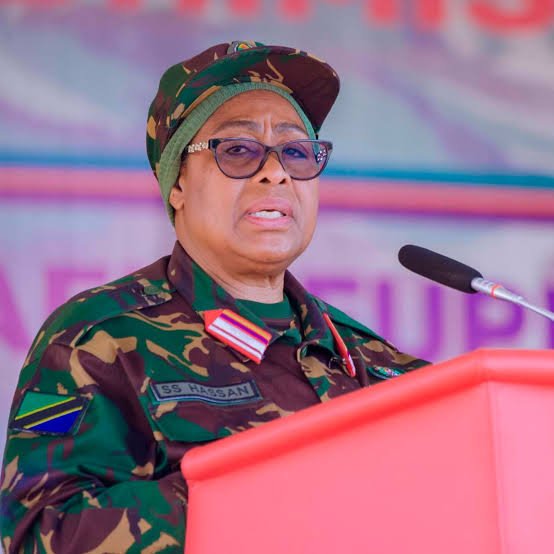
When Samia Suluhu Hassan took office in 2021, she was Africa’s only female head of state. She gives the impression of a soft-spoken and deliberate leader. She was undoubtedly a breath of fresh air after the late John Magufuli’s hardline rule. Or so it seemed at first.
But boy did she fool us.
The symbolism in her rise to power as a Muslim woman leading a nation where power had long worn a man’s face could not be overstated enough. To be fair to her, she did start well. In those early days, she promised reform. Political prisoners were freed and the press breathed easier. Opposition figures cautiously stepped back into public life. Hope loomed large, even if fleetingly. Maybe, it was the elections that brought out the other side of her.
Power you see, corrupts even the seemingly incorruptible. Maybe she forgot where she started from. Or maybe she became paranoid of losing, especially since the world kept taunting her for “inheriting” the presidency having never won an election. Whatever it was, stability started to look like silence – the kind that comes when people learn not to speak.
You probably have an idea how these things start. They do not come out of nowhere. They are usually slow at first. Gradual changes here and there that do not look connected. And that is exactly what happened in Tanzania. The change crept in quietly through new laws, disqualified candidates and whispered warnings. Opposition rallies were cancelled for security reasons. Subtle at first. And then suddenly, activists were vanishing from timelines and Journalists who asked too many questions found their press cards under review.
By the time election season arrived, the air was so tense you could cut through it with a blunt knife – like hot butter. CCM, though, stood like an old tree that is deeply rooted and almost impossible to unseat.
All looked to be going to plan, but beneath the old tree’s branches, frustration was brewing. The same Tanzanians who looked meek and quiet (many voting for the first time) suddenly wanted accountability and a fair chance at a voice that mattered.
And that is the most surprising bit. That just like the gradual changes in president Suluhu and what she believed in, no one saw the protests coming. The young people stayed quiet amidst all the chaos and changes in law until the election day. Were they spontaneous, I guess we might never really know. As the protests swelled and fear thickened in the air, Tanzanians frantically tried to share news of what was going on only to realize that they had been cut off from the rest of the world.
For many, Samia Suluhu Hassan was a promise – not just a president. A hijab-wearing woman leading a nation of more than 60 million. What could be more powerful? A role model to girls in a part of the world where female leaders ascending to the highest pinnacle was rare and almost unheard of. Actually, scratch the “a part of the world bit.” How many female presidents has the world witnessed? Even America, the world’s “super power,” that which prides itself in being the world’s oldest democracy, has been unable to elect a female president.
Hence, Samia’s leadership was a quiet rebuke to those who doubted women’s capacity for leadership. Her ascent was celebrated in Tanzania and across Africa.
Once again, I would love to remind you that women in power in Africa remain exceptions, not norms. But power changes its meaning once you hold it, sadly. As the unrest keeps mounting, Samia’s calm composure is looking more and more like detachment.
All the insistence on order is beginning to feel like control. As a woman, what saddens me is how all this is now being turned into a gender thing. It is unfair because male leaders have ruled with far heavier hands and faced less scrutiny. We have had worse, if we are being honest…..and yet, all that is being peddled around on the internet now is how women should never be allowed to rule. Why? When she only learnt from the best? Have men not done worse? How did this become a gender competition?
The burden of being the first is that every decision becomes symbolic. When Samia sends soldiers to the streets or allows the internet to be cut, it doesn’t become president Suluhu has done this or that. It becomes female president Suluhu…
I feel for her – truly I do. Her dilemma is cruel and clear. When she tries to maintain authority, she is labelled as repressive. And when she tries to show empathy, she risks being seen as weak.
What is a woman to do, for heaven’s sake?
For now, we sit and wait…..and watch.The world is watching Tanzania with bated breath. Especially us East Africans. The question in our respective minds is the same – how will this end? I am sure the question takes a sharper edge inside Tanzanians’ minds. The protests do not seem to be stopping any time soon. Trust in the electoral process is at an all time lowest and some desperate citizens have begun calling on the military to “restore order.” A dangerous wish that is born of fear and frustration. But can you really blame a people who find themselves believing more and more that the ballot has already been betrayed? Where do they turn to? To whom do they turn to?
The irony is not lost on some of us. How the military, once seen as oppressive and dangerous – inhuman even – is becoming the people’s only hope. We have seen it in Burkina Faso, and we saw it in Kenya during protests when the protesting young people cheered the military and pledged their love to them any time they were brought to the streets to restore order. How full circle we have come!
In Tanzania, The ruling party insists calm will return while the opposition insists the truth has been stolen.
For now, no one knows. But everyone is watching.