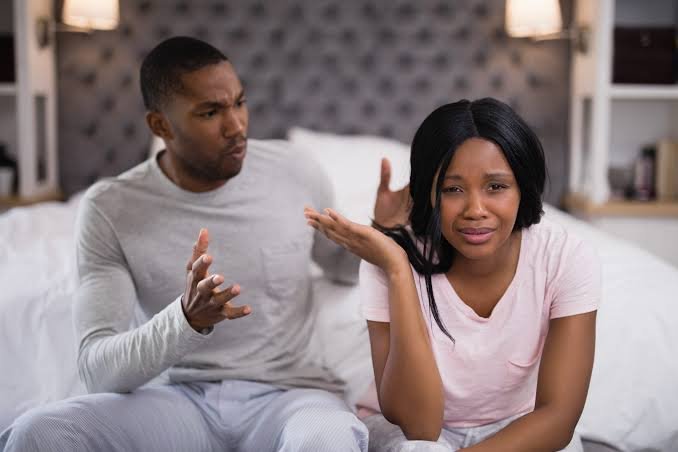
A few years ago, I had a colleague who was the life of the office. The kind of guy who greeted everyone with a smile every morning without fail and never missed anyone’s birthday, even when no one else remembered. But then we begun noticing a shift. His eyes stopped dancing whenever he laughed and he started eating lunch alone. One afternoon when I just couldn’t take it anymore, I finally asked him what was wrong.
He shrugged and said it was nothing he couldn’t sort out. But I insisted, and he finally looked at me. He had been avoiding my inquiring look, and now he just stared at me like he was seeing me for the first time. “My marriage is falling apart.” he finally blurted out. I said nothing. What was I supposed to?
I am not sure what it is exactly I thought I would hear, but that was the least expected response. “I cum too quickly… way too quickly.”
I have to point out that at that time I was 21 years old, and this was way beyond my scope of understanding. In hindsight, maybe it was for that very reason that he chose to tell me. Perhaps he felt I was too young to fully grasp his revelation, and that because of that very fact, I would be the least likely person to judge him. And he was right. All I did was listen empathetically.
Every time it happened, he told me, his wife would get mad and roll off then go straight to sleep. The reactions were subtle at first, but then they turned into full blown anger. She didn’t talk about it and there was definitely no reassurance. Just silence and turning her back. And of course, the quiet anger. Over time, she grew less interested in sex if at all, and always armed with a new excuse whenever he reached for her. What’s worse, he lamented, was the fact that the harder he tried, the faster he came (no pun). It didn’t help matters that now that was the only thing in his mind. A hopeless course, I remember him saying.
One night, after another 40-second encounter, she said something that he says crushed him completely.
“What’s the point, really? All you’ll do is dirtify me and leave me hanging.”
“I was always among the people that joked about the one minute men… but who knew I would become one so early in life?” He laughed bitterly. Nothing had prepared him for the reality of being one.
His story isn’t unique, which is exactly why this conversation matters.
Not every one minute man has erectile dysfunction, and not every case of ED has anything to do with timing. However, the shame and relationship fallout that accompanies both situations is painfully common.
One Minute Man vs. Erectile Dysfunction: What’s the Difference?
Here we have two issues that people love to confuse – premature ejaculation and erectile dysfunction. Sure they can overlap, but most of the time they are completely different problems with different solutions.
a) Premature Ejaculation (PE): The Timing Issue
Cuming too quickly is exactly what it sounds like. It is a timing problem and not an erection problem. It usually means ejaculating faster than you or your partner wants. It is being unable to delay orgasm, sometimes finishing even before penetration. What comes afterwards of course, is that feeling of embarrassment.
Common causes include:
- Anxiety (especially performance anxiety)
- Stress and fatigue
- Relationship tension
- Hypersensitivity
- Long periods without sex
- Psychological conditioning from years of quick sex or rushed masturbation.
PE is frustrating, yes, but it doesn’t mean a man isn’t attracted, aroused or functional. His body just goes from 0 to 100 real quick!
b) Erectile Dysfunction (ED): The Erection Issue
ED is when a man has trouble getting or keeping an erection firm enough for sex. It can show up as losing an erection midway, getting an erection sometimes and not other times, not getting hard at all and feeling mentally turned on but physically unresponsive.
Causes may include:
- Poor blood flow
- High blood pressure or diabetes
- Alcohol or smoking
- Hormonal imbalances
- Anxiety, stress, or depression
- Low self-esteem
- Certain medications
Where PE is about finishing too fast, ED is more about not getting started or not staying in the game at all. So Why Do People Confuse the Two? A number of reasons, including but not limited to the fact that men rarely talk about these things openly. Not to forget the endless jokes about the one minute men that end up drowning out real information.
Because both issues trigger the same emotions: embarrassment, shame and the fear of disappointing a partner, Coupled with poor communication (which is the case in a huge percentage of relationships) partners may not know the difference, thus leading to blame and bitterness.The truth is that PE and ED may both affect sex but they are not twins. What they are however, are the cousins who show up to the same family meeting causing drama….but for totally different reasons.
The Science: What’s Actually Happening Down There
Here is what is usually happening
a) Erections Are Basically a Blood Flow Event
It begins with the brain sending signals of arousal, then the blood vessels in the penis relax and blood flows in and stays trapped long enough. The nerves then keep the message going. So If any of these steps is disrupted by say – stress, alcohol, diabetes, poor circulation, fatigue – the erection becomes weak or disappears.
That’s ED in a nutshell:A disruption in the erection pathway.
b) Premature Ejaculation: A Reflex That’s Too Fast
PE isn’t about erection quality. It’s about the ejaculatory reflex firing too quickly.
Think of it like a sneeze. You can delay it sometimes, but if your body is hypersensitive or you’re anxious and mentally rushing, it’s going to happen quicker than expected.
Scientifically, PE often comes from:
- Overactive nerves
- High anxiety
- A “quick release” pattern learned over years
- High sensitivity in the glans (penis head)
- Strong sympathetic nervous system activation (fight-or-flight)
Basically, it’s physiology mixed with emotion.
Stress: The Silent Bedroom Saboteur
Stress is one of the few things that can cause both PE and ED. When the body is stressed:
- Cortisol goes up
- Blood flow reduces
- Muscles tighten and the brain becomes distracted.
This creates two opposite outcomes: with PE the body is in overdrive and everything happens fast while with ED the body shuts down arousal and nothing happens at all. The thing with stress is that it doesn’t choose sides. It attacks both timing and erection quality. Ni stress has probably been overused in these moments, but now you know that maybe it’s true.
Ni stress.
Lifestyle
Yes. It actually matters more than people care to admit. Common lifestyle factors that can sabotage sexual function include; Lack of sleep, too much alcohol, smoking, poor diet, exhaustion and too little exercise.All of these affect blood flow, hormones, and mood. All the ingredients needed for consistent sexual performance.
Medical Conditions That Interfere
Some health issues directly affect sexual function. These include hypertension, diabetes, obesity, high cholesterol, heart disease, low testosterone.
When the body struggles to move blood efficiently, sexual performance is usually the first place the problem becomes noticeable long before a man feels sick in any other way.
The Mind 🔁Body Loop
The most important, yet the most misunderstood. It starts with one sexual difficulty. Which in turn creates anxiety. And anxiety, as we all know, makes the problem worse. The problem getting worse creates more anxiety.
Suddenly a man who had one bad night finds himself in a cycle that feels impossible to escape.
The Social Side: Shame, Pride, Ego & Silence
If sexual performance were just biology, most men would solve their issues quickly. But the real battlefield isn’t the bedroom. It’s the mind, society and everything men are taught (or not taught) about masculinity. This is where PE and ED become heavier than they need to be.
From a young age, boys grow up being told to Be a man. “Don’t embarrass yourself.” “Your woman will leave if you can’t satisfy her.”
They are neither taught about common sexual difficulties nor how to talk about them. So when it happens they end up blaming themselves and for fear of being judged, decide to stay silent even when it hurts. In the process the shame grows bigger than the actual issue.
And then of course we have the infamous male Ego, that of Feeling ‘Less of a Man’. ED and PE will affect sex, but they both might end up doing even worse. They strike deep at identity.
A man might think: “I’m failing her.” “I’m not normal.” “She’ll think I’m weak.” And the most haunting one – “What if she leaves?” These thoughts create a heavy emotional burden which makes it harder to get aroused because he’s busy worrying about not embarrassing himself. The mind and body loop that we talked about up there.
What’s the point when all you’ll do is dirtify me after 40 seconds?
Cruel comments like that hurt so much and end up leaving a scar. But, It’s not like the partners start out trying to be hurtful. The disappointment eventually builds resentment and with a lack of communication, both end up feeling rejected in their own different ways. Because we have seen how mental struggles play the biggest part in all these, Partners can play a big role in recovery. How?
- Reassure each other of attraction and love
- Encourage honesty without judgment
- Explore intimacy beyond penetration
- Emphasize teamwork rather than “scoring points”
The biggest secret is that a safe bedroom will definitely create improvement, sometimes without any medical intervention.
Real Solutions Without Judgment
Now that we’ve talked biology and relationships, let’s talk about what actually works.
a) Lifestyle & Mental Health:
It’s all about the small changes that leave a big impact. Even minor changes in daily habits can improve sexual function.
- Sleep: Aim for 7–9 hours. Fatigue kills desire.
- Exercise: Cardio improves blood flow; strength training boosts testosterone.
- Diet: Balanced meals, less sugar, less processed food and viola! your circulation will thank you.
- Alcohol & Smoking: Both can impair erections so it is important that one takes them both with moderation.
- Stress Management: Meditation, journaling, hobbies or counseling reduce performance anxiety. Not to forget that mental health is just as critical. Anxiety and depression can directly affect sexual response. A relaxed and confident mind leads to a more responsive body. Always remember, it’s all in the mind.
b) Medical Options: When Help Is Needed
Lifestyle changes might work for some men, but they won’t always work for everyone. And that’s okay. Luckily, modern medicine has options.
ED Medications: PDE5 inhibitors like Viagra or Cialis improve blood flow.
Pelvic Floor Therapy: Strengthens muscles that help maintain erections and control ejaculation.Hormone Treatments: Low testosterone may require medical intervention.
Treating Underlying Conditions like Diabetes, hypertension or heart disease often improve sexual health once controlled.
Seeing a doctor isn’t a sign of weakness by the way.
Teamwork Makes the Dream Work.
A supportive partner can make all the difference. Focus on intimacy, not just penetration. Explore slow, playful foreplay to reduce pressure and use humor to diffuse tension (yes, even a “one minute man” joke can help if both laugh).
Celebrate progress and not perfection. Sex is a shared experience, and when it is genuine and natural then it becomes a beautiful journey.
Cognitive & Behavioral Techniques
Some men benefit from mental and behavioral strategies. Here are a few.
Start-Stop Technique: Learning to delay ejaculation through controlled practice.
Squeeze Technique: Reduces sensitivity and builds control.
Sex Therapy: professional guidance to address both mental and emotional factors.
These methods require patience, practice and honesty with your partner. But the good thing is that they have been proven to work. The most important solution however, is social. Normalize talking openly about it (with doctors, therapists or trusted friends if comfortable). Or with a trusted colleague, like my pal all those years ago. Break the stigma around sexual difficulties by understanding that millions of men face similar challenges.
Quick Myths to Throw in the Bin
Myth 1: Only old men get ED. ED can happen at any age. Younger men experience it too often due to stress, anxiety, lifestyle or underlying health issues. S no, age is not an automatic sentence.
Myth 2: If he can’t stay hard, he’s cheating. Performance issues are rarely about fidelity. Blaming a partner for biology or anxiety is not fair to him and only worsens the problem.
Myth 3: Premature ejaculation is forever. PE can be managed and often improved with therapy, exercises or behavioral techniques. It is NOT permanent.
Myth 4: Tea, herbs or supplements will fix everything. Natural remedies may help circulation slightly, but there’s no miracle cure. Medical guidance and behavioral strategies are more effective.
Myth 5: Sex is all about performance. Connection, intimacy and mutual pleasure matter far more than timing. Focusing only on duration fuels anxiety and worsens the cycle.
Discard the old stories and replace them with facts. Start conversations. You’ll be surprised how much relief that brings and how much fun intimacy can be again. At the end of the day, we can no longer ignore the fact that millions of men face these struggles. And while jokes about one minute men are everywhere, the reality is often lonely and misunderstood. Let’s change that narrative. Let’s make sexual health a topic of honesty and empathy. But most importantly, let us show support as opposed to secrecy and embarrassment. Men deserve understanding too, just as much as anyone else.