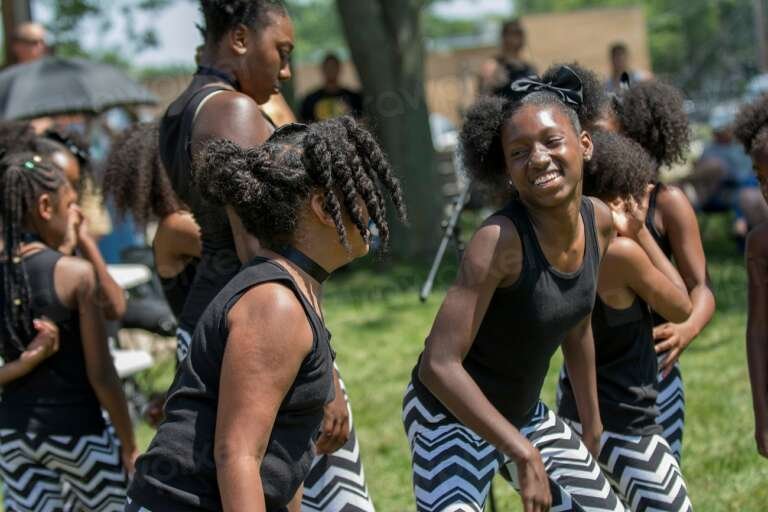
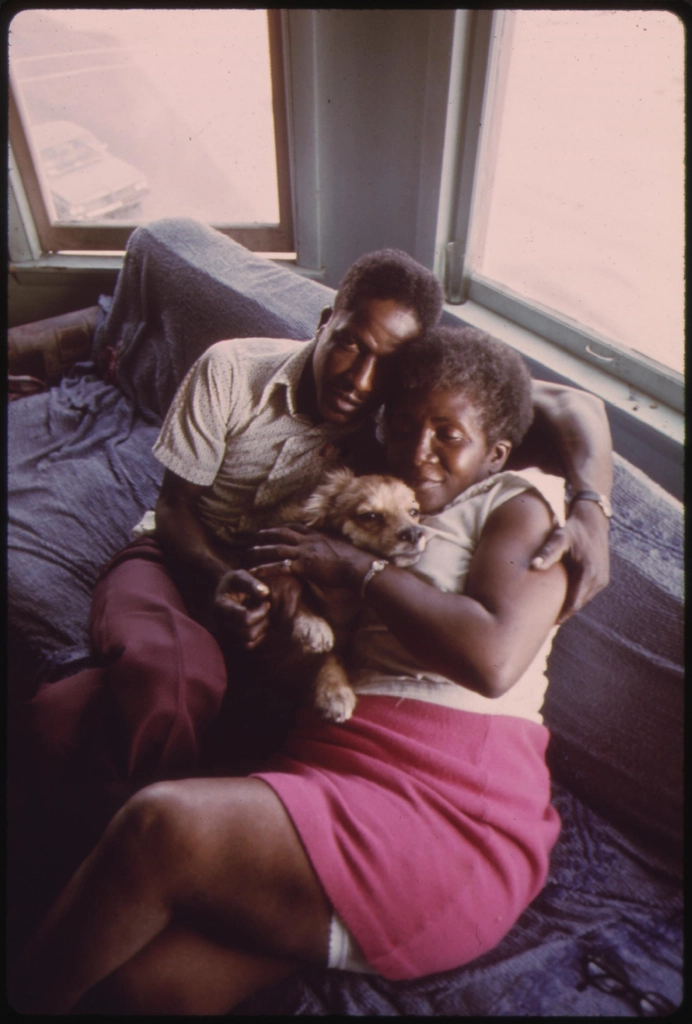
School holidays are supposed to be fun. There is a certain kind of joy that fills the air when schools close. It is evident in how light children’s laughter becomes as they spill out of classrooms for the last time that term, their days stretching ahead of them with the promise of play and a freedom they have quietly longed for. For many families, this season is wrapped in late mornings and unhurried afternoons. Everyone finds comfort in having everyone under one roof a little longer than usual minus of course, the fact that snacks now disappear faster than they can be replaced. It is, by all appearances, a happy time and a well earned break not just for the children but everyone else involved, i.e. teachers and parents.
But that is only one side of the story, and perhaps the easier one to tell.
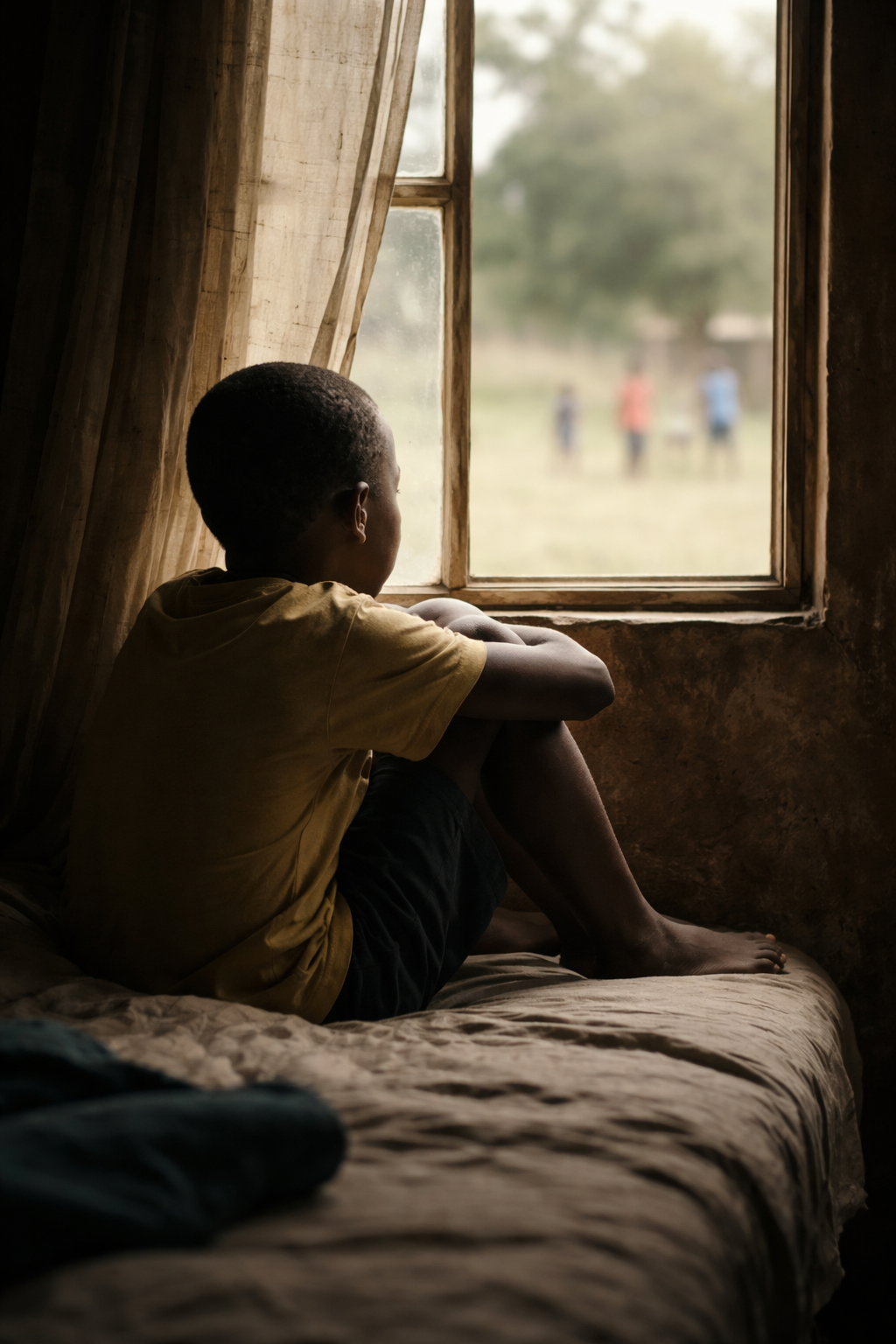
For some children, the closing of school gates signifies the beginning of a different kind of waiting. One that is heavier and far less visible to the world around them. It is a waiting that is filled with uncertainty, where the structure and safety that school once provided is suddenly taken away leaving behind long days and nights that arrive without the comfort of routine. In these homes, the holidays come with a silence that says more than words ever could.
School, for many children, is more than a place of learning. It is more than uniforms and homework and the familiar sound of a bell marking the passage of time. It is, in ways we do not always stop to consider, a refuge, a place where meals are more certain and attention is more evenly distributed. Here, there are eyes that notice when something is wrong and voices that ask questions when a child grows too quiet. It is a space where, even for a few hours a day, the weight of home can be replaced by the simple, predictable rhythm of lessons. At least in school there are friendships to fall back to and the small but significant reassurance that someone is paying attention. Which is why when that structure disappears what remains becomes something most people would rather nor acknowledge.
Not every home can afford three meals a day, hence hunger quietly settles in, stretching meals thinner than they should be and turning what was once a routine lunch into a question mark that lingers throughout the day. For others, it is the absence of supervision, the kind that leaves children to go through long hours alone, or in environments that are neither safe nor kind. Some environments even lack much needed nurturing. There are those who find themselves taking on responsibilities far beyond their year. We have seen five year olds taking care of the siblings – children taking care of other children that are may one year younger. These, during holidays, might find themselves caring for younger siblings while parents work longer hours to make ends meet. The result then is that their own childhoods become momentarily paused in the name of necessity.
And then there are the children for whom home is not a place of comfort at all.
These are the stories that rarely make it into our cheerful conversations about holidays. They sit just beneath the surface and are easy to ignore because they complicate a narrative we would rather keep simple. It is easier, after all, to speak of holidays as a time of joy than to acknowledge that for some, they are a season of exposure where the absence of school removes a layer of protection however thin it may have been. It is easier to assume that all children are counting down the days with excitement than to consider that some are quietly dreading what lies ahead.
This is not to take away from the joy that so many families experience during this time, nor is it to suggest that holidays should be anything other than a break from the demands of school. Rather, it is an invitation to widen the lens and also hold space for a more complete picture, one that includes both the laughter we hear so easily and also the silence that often goes unnoticed. Why? Because the stories of both sets of children matter just as much.