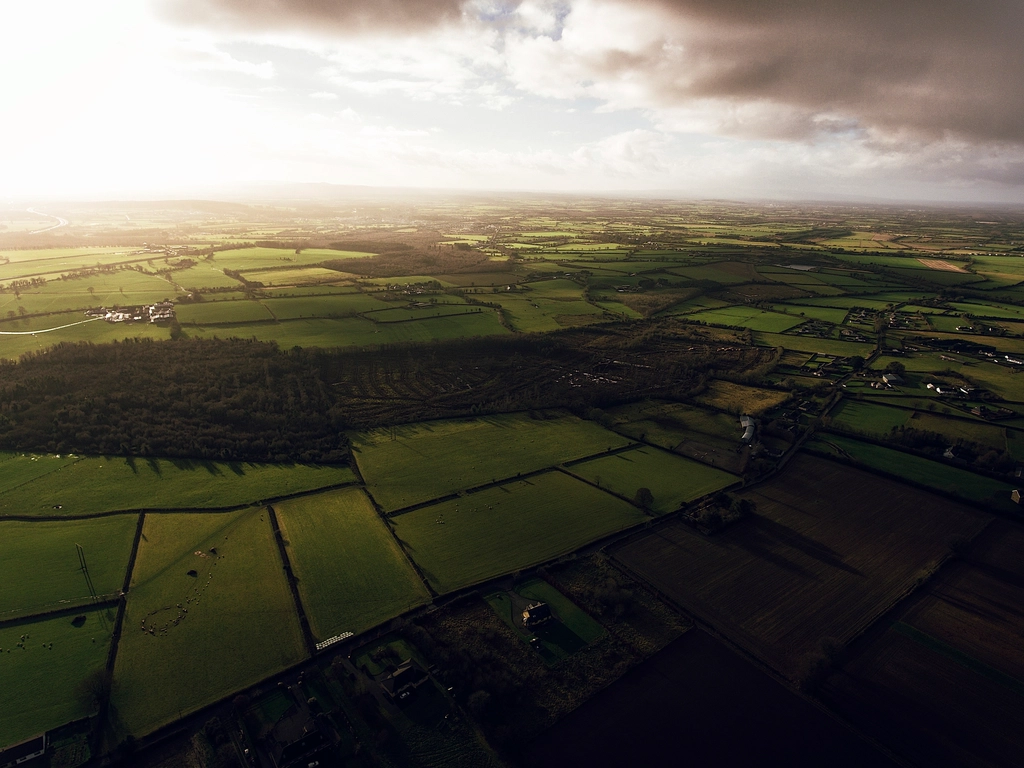
Few things trigger anxiety in Kenya quite like land, understandably so. Us Africans are connected to land, especially ancestral land, in spiritual ways that we cannot even begin to explain. Most of our ancestors are buried there, and it is where most of us will be buried.
So when claims began spreading online that the government wants to convert freehold land into leasehold titles, charge annual taxes on privately owned land and even auction off property over unpaid dues, the panic that followed was inevitable.
However, while all the panic is going on, it would serve us well to separate fact, misunderstanding, political fear and half explained policy proposals.
So, what is actually happening, and what is not?
Is Kenya converting freehold land into leasehold land?
At the centre of the debate is a viral claim that all freehold land in Kenya will be converted into leasehold land under new proposals linked to the Finance Bill 2026. (Remember, this same claim was one of the biggest reason for the 2024 finance bill protests).
As of now, there is no confirmed law passed by Parliament that automatically converts all freehold titles into leasehold titles nationwide.
Parliament has publicly dismissed claims that the Finance Bill contains provisions forcing freehold owners to surrender their ownership rights. So then where did all the panic emerge from?
Over the years, legal and policy discussions around land reform, urban planning, taxation and land management have occasionally raised the possibility of stronger state oversight over land use, especially in urban areas.
That is where the fear comes from. To many Kenyans (myself included) freehold ownership represents true ownership. A land held permanently without expiry. Leasehold ownership, on the other hand, comes with timelines, renewals, conditions and government oversight.
The suspicion being that once land becomes leasehold, the state gains greater control over how it is used, taxed, renewed or reclaimed. And to be honest, where is the lie?
Why would our any government even want such a system? For starters, governments around the world often argue that stronger land control helps with:
- urban planning,
- infrastructure development,
- reducing idle land speculation,
- environmental regulation,
- and most importantly, tax collection.
Under leasehold systems, governments can impose conditions on how land is developed and used. They can also enforce annual payments more easily. Critics argue that this transforms ownership into something temporary and conditional.
And in a country where land has historically been tied to identity, inheritance, ethnicity and political power, any proposal that appears to weaken private ownership immediately becomes explosive.
Why are people angry about paying taxes on land they already own?
This is perhaps the biggest emotional issue in the debate. Many Kenyans are asking:
“If I bought the land legally using taxed income, why should I continue paying government simply to keep it?” Rightfully so.
The government’s argument is that landowners still benefit from public services and infrastructure, whether the land is occupied or not.
Counties use land rates to fund roads, drainage, waste management, street lighting, sewer systems and local administration. That is why land rates already exist in many counties, particularly in urban areas. But we have none of these in rural areas. So what now? What should we be taxing ancestral land for?
Critics argue that there is a major difference between taxing economic activity and taxing ownership itself. To them, annual land taxes create a situation where ownership never truly ends because the state maintains permanent financial leverage over private property.
And during periods such as these, where nothing seems to be working for many kenyans, periods of economic hardship, rising taxation and declining trust in government, that fear becomes even stronger.
What is the difference between land rates and land rent?
All the arguments being thrown around online are not making our understanding on the matter any better.
Here is the distinction. Land rates are county government taxes charged on property or land within certain jurisdictions. Land rent, meanwhile, is usually paid to the national government for leasehold land because technically the land is still held under state ownership.
Freehold landowners generally do not pay land rent in the same way leaseholders do.
What has frightened many people is the belief that freehold ownership could eventually attract recurring national payments similar to leasehold obligations.
As of now, there is no confirmed law enforcing that universally.
Can government really auction your land over unpaid taxes?
Bone of contention. This is where all the anger starts and ends.
Legally, governments do have powers to pursue unpaid land rates and tax arrears. But, county governments can issue penalties, accumulate interest and in some cases initiate recovery processes against long standing defaulters.
Sounds easy on paper, but wait until taxes start becoming excessive, services are poor (almost a guarantee smh), corruption becomes widespread and land valuations are unfair.
That is why the idea of losing family or ancestral land over unpaid taxes feels – quite simply – very immoral to many Kenyans.
In Kenya and most of Africa for that matter, land is not only inheritance ; it is social status, our very pride and if we are being honest, survival.
Do not joke with our land, is all we are saying.
A clear summary on what is already happening and what is not is that counties already charge land rates in many areas, leasehold landowners already pay land rent and government can legally pursue unpaid land related taxes and rates (!)
There is currently no confirmed law converting all freehold land into leasehold land nationwide.
There is also no confirmed nationwide policy forcing all freehold owners to begin paying annual national land rent.
But despite that, the public anxiety is real….bearing in mind that this more than just a Finance Bill.