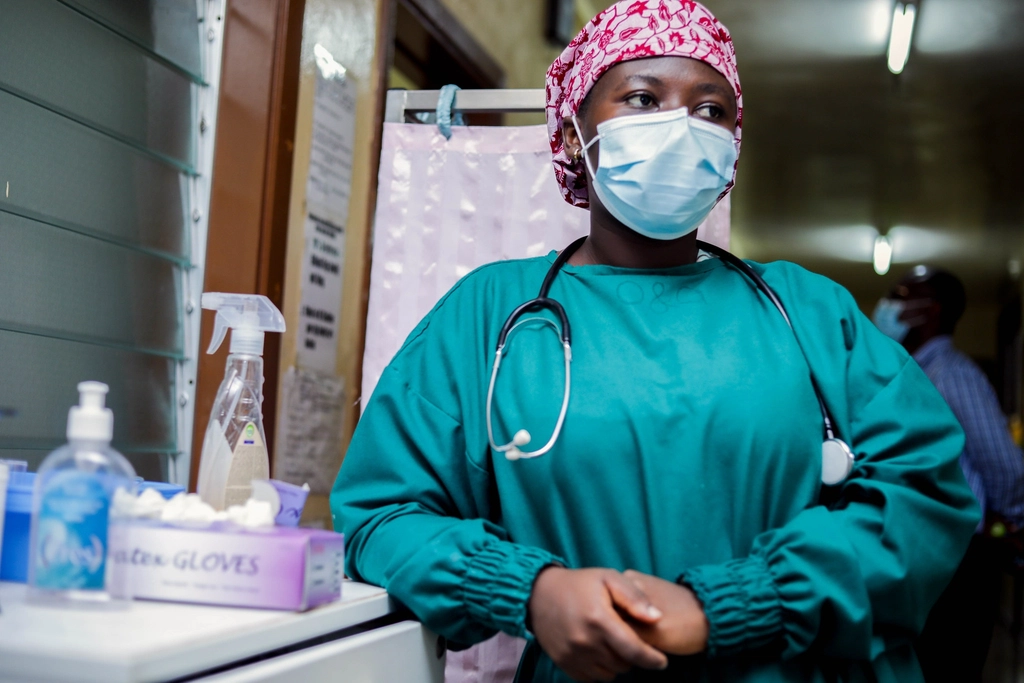
A global shortage of nearly one million midwives could be putting millions of women and newborns at risk, according to new research presented ahead of a major international midwifery congress in Lisbon, Portugal.
The study estimates that the world is currently short of about 980,000 midwives across 181 countries. Researchers say closing that gap by 2030 could save up to 4.3 million lives every year, including two thirds of maternal deaths, nearly two thirds of newborn deaths and 65 percent of stillbirths.
The findings come as more than 3,000 midwives, policymakers, researchers and health leaders from over 115 countries gather in Lisbon for the 34th Triennial Congress of the International Confederation of Midwives (ICM), under the theme: The World Needs One Million More Midwives.
For Africa, the challenge is particularly acute. The continent accounts for 46 percent of the global midwife shortage, while an estimated nine in ten women lack access to a midwife.
“This is not a future risk. It is a present reality,” said Anna af Ugglas, Chief Executive of the International Confederation of Midwives.
“Nearly one million missing midwives means care becomes rushed and fragmented. This is a quality and safety issue for women and babies.”
Midwife Led Care Could Save Millions
A peer reviewed editorial published in Sexual & Reproductive HealthCare argues that midwifery led care should no longer be viewed as simply one policy option among many, but as an evidence-based requirement for improving maternal and newborn health outcomes
According to the authors, maternity care systems in many countries remain fragmented, overly medicalised and, in some cases, fail to provide women with respectful care throughout pregnancy and childbirth.
The paper found that midwife led, woman centred care improves outcomes for both mothers and babies, reduces unnecessary medical interventions and increases satisfaction with healthcare services.
Yet even as demand for care grows, workforce shortages continue to place increasing pressure on midwives around the world.
“In many settings, midwives are educated but not employed or enabled to practise fully, leaving women without access to the care they need,” said Professor Jacqueline Dunkley-Bent, Chief Midwife at the ICM.
The authors are urging governments and international institutions to increase investment in the profession, strengthen regulatory frameworks and ensure women and communities play a meaningful role in shaping maternity care services.
Uneven Shortages Across the Globe
While Africa bears the largest share of the shortage, other regions are also struggling.
The Americas face a deficit of up to 85 percent of the midwives required to meet demand, while the Eastern Mediterranean region has around 69 percent of its midwifery needs unmet. Even parts of Europe continue to experience staffing shortages despite having relatively well resourced health systems.
Health experts say these gaps are becoming increasingly concerning as healthcare systems face mounting pressure from climate related disasters, disease outbreaks conflict and funding constraints.
Why Midwives Matter
The World Health Organization describes midwifery as one of the most effective ways to improve maternal and newborn health.
Midwives are trained to provide care before pregnancy, during pregnancy and childbirth, and throughout the postnatal period. They can also deliver up to 90 percent of essential sexual and reproductive health services in ways that are cost effective, sustainable and respectful of patients’ rights.
Because they often work at the community level, midwives are frequently among the first health professionals to witness the effects of crises.
“Midwives work at the heart of their communities, so they often see the impact of a crisis before it reaches the wider health system,” af Ugglas said.
“When climate events, disease outbreaks, conflict or funding cuts disrupt health services, midwives help keep essential care available, trusted and close to home.”
A Global Call for More Midwives
The Lisbon congress continues a tradition dating back to 1954, bringing together professionals and policymakers to advance the midwifery profession worldwide.
Among the major initiatives expected during the congress are a global march calling for one million additional midwives, the launch of new international leadership competencies for midwives and the unveiling of updated training resources developed in partnership with UNFPA.
Organisers hope the gathering will help turn growing evidence into concrete action, at a time when many countries are struggling to meet the healthcare needs of women and newborns.
Their message is simple: investing in midwives saves lives.