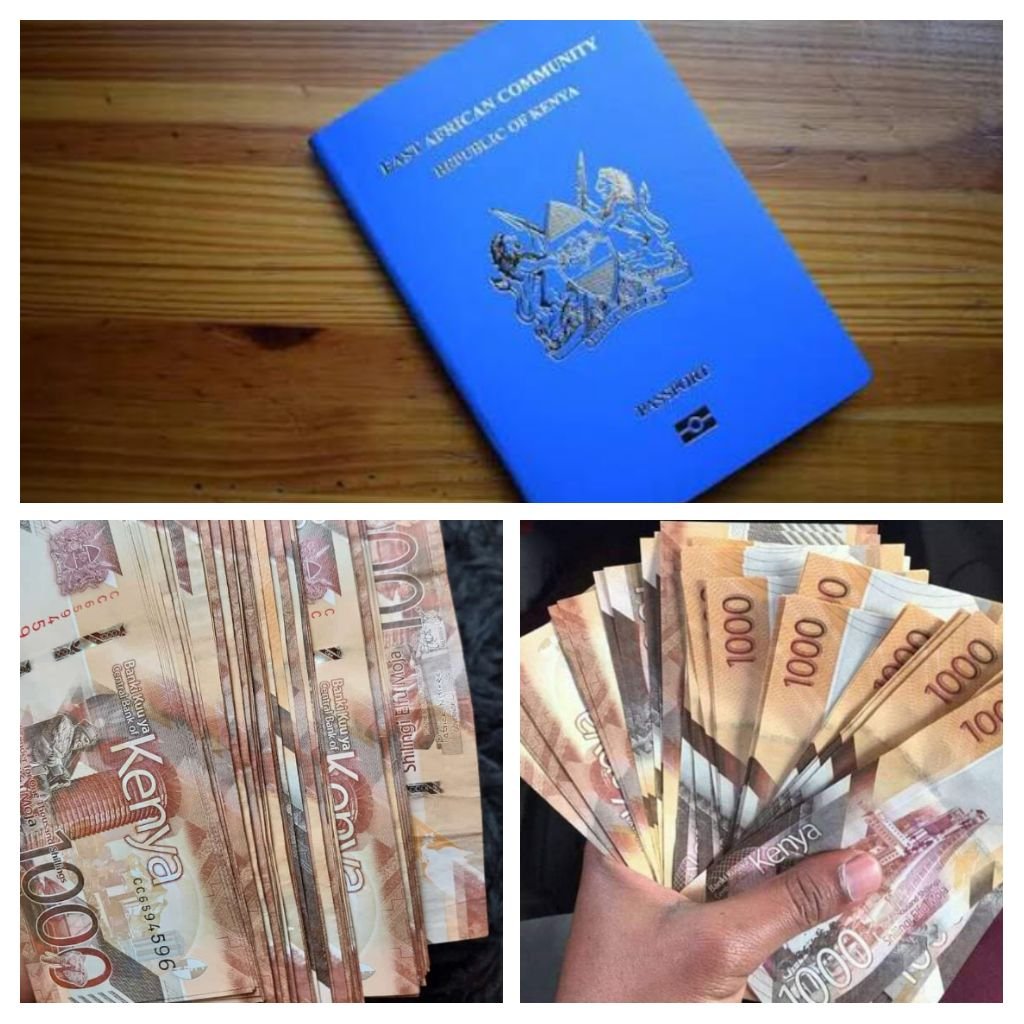
Have you ever walked into any embassy in Nairobi? One constant in most western ones is the familiar, exhausting long queues snaking around the compound. Everyone has folders clutched tight under their arms, and on their faces the same anxious expression.
“Did I bring enough proof that I will return home?”
Inside those folders are six months of stamped and verified bank statements, letters from employers and hotel bookings that may never be used. Flight reservations, travel insurance, receipts… everything short of a sworn affidavit of innocence. *Sigh
Only to be slapped with a cold, templated rejection slipped through a window without eye contact.
African countries have tolerated a global visa system built on inequality and financial exploitation. Let’s not even start on the subtle humiliation. But after Mali’s recent move to impose reciprocal visa fees on the United States, one can’t help but wonder why the rest of the African countries are not following suit, and if that is the path ALL African countries should follow. The truth is Africans pay more to move less. To the Western travellers, Visa fees might be merely an inconvenience but to most Africans they become a financial obstacle course with no refunds and definitely no accountability.
It is no secret that most African applicants pay some of the highest visa fees globally, yet face some of the highest rejection rates. The joke is on you though, if you think the official fee is as far as it goes….it’s only the beginning.There is an entire shadow economy built around the African visa journey. It drains time and money. Mostly, however, it erodes dignity. Every application demands more than just a passport and a fee. You’re expected to produce documents that prove your worthiness for temporary entry into someone else’s land.
Come on….have you seen Africa and how beautiful it is? Have you tasted the organic food we farm with our own hands? Have you breathed the air we do? Have you seen the handsome men we rub shoulders with? Why would I go somewhere else and never want to come back to my own people? Although to be fair to the Western countries, maybe the older generations were notorious for that…but it’s time the rules were changed a bit because us younger people would never flee. We work, and we always come back.
What does all this talking do? Nothing. Absolutely nothing. We shout, we tweet about it. We write articles. Our parliamentarians debate about it in parliament. But then a president like you know who comes along and it’s back to square one. The only language the Western world understands is reciprocity, just like Mali did. It’s not even about the money at this point (although who am I kidding, money plays the biggest role) but the casual humiliation that Africans have been conditioned to endure.
It starts long before you reach the interview window, from the looks the security guards give you. Then the invasive questions on online forms.The whispered stories from friends and colleagues who were denied for reasons that make no logical sense. Africans are among the few travellers globally expected to constantly defend their intentions.
We must prove we won’t run away and justify every deposit on our bank statements. And can you please explain why you want to attend this conference? Why, I was invited! Forget the fact that you have a stable career and family. Forget your assets and clear plans. You still are going to run away, aren’t you? The default assumption is suspicion.
But wait…..you seem to be earning too much, are you perhaps, hiding something? And you that is earning too little, why do your eyes look shifty, you must be planning to get there and go into hiding, never to come back! If you travel frequently, you raise questions. If you don’t travel at all, you still raise questions.
See the pattern? There is simply no winning, no matter how perfectly they follow the rules. Which is why I keep bringing up Mali. Beautiful, quiet Mali decided it had had enough. So what did they do? In a move that shocked everyone else, Mali imposed reciprocal visa fees on U.S. citizens. They mirrored exactly what Malians are charged to visit America. If you do me, I do you.
Powerful symbolism. For the first time in recent memory, an African nation refused to accept the global hierarchy that ranks mobility privileges based on race and colonial leftovers. Mali simply acted and in doing so, it revealed what every African knew but our leaders act blind to. That Africa, does after all, have leverage far more than we admit.
If Mali can demand fairness, why can’t we?
Why African Governments Stay Silent…. What Would Pushing Back Look Like?
If the injustice is this obvious, then why don’t African governments push back?
Why hasn’t the continent rallied behind Mali’s example and demanded the same respect on the global travel stage? The answer is, it’s complicated. Challenging powerful nations comes with the fear of retaliation. Simply, it’s in the poverty mindset of our leaders. Where will they eat from? Delayed aid packages, visa restrictions for officials, soured bilateral relations. It’s an unspoken rule in international politics. Don’t disturb the global hierarchy if you’re not sitting at the top of it.
There’s also the reality of economic dependence. A large portion of Africa’s access to trade deals and humanitarian partnerships flows from countries that enforce these strict visa regimes. Not to speak of the grants. How do we expect our African leaders to speak out, when we know them since time immemorial to always prioritize political convenience over the dignity of their citizens?
If only Africa could negotiate visas as a bloc. Then that could work. But as it is, fifty four nations are bargaining separately, weakening their collective voice. While Europe can impose a continent wide policy with one vote, Africa replies as fifty four scattered whispers. And a whisper, no matter how justified, is rarely taken seriously on the global stage – or anywhere for that matter.
And the Western world knows it, and relishes and revels in that fact. They LOVE it that way. Divide and conquer, always worked since the Roman empire times. If Africa truly wants to protect the mobility rights of its people, it must shift from quiet compliance to strategic assertion. Where to start?
1. Enforce Reciprocity
It is simple logic, really, and only fair. If your citizens pay $160, ours will too. If your citizens enter visa-free, so should ours. Reciprocity forces mutual respect because it reminds the world that African passports also carry sovereign weight.
If you do me, I do you.
2. Negotiate as Regional Blocs
EAC, ECOWAS, SADC, and the AU should lead mobility negotiations, the same way the EU negotiates trade and travel. A united bargaining position transforms African countries from individual applicants to a collective force that is harder to ignore and harder to bully.
3. Demand Transparency
Embassies should be compelled to provide statistical data on visa approvals and rejections. As it stands, Africans are left guessing why certain nationalities face 50–70% rejection rates. Publishing the data and hold embassies accountable.
4. Build an African Mobility Charter
A continental framework outlining how African citizens expect to be treated globally. In the same vein, how Africa will respond when those expectations are not met.
5. Invest in Passport Power
A strong passport comes from strengthening governance, reducing corruption, expanding economic opportunities and asserting Africa’s global relevance.
In short, African governments need to up their game because Visa negotiations are easier when a country is seen as stable and politically coherent. Make your nation prosperous.
To sum it up, African travellers have endured a system that charges more, demands more, humiliates more, all while offering less.The global visa regime treats African passports as liabilities rather than instruments of mobility. It restricts our access to opportunities and knowledge at the global stage. African governments, together and individually, must reclaim control over the narrative of mobility and stand firmly against unjust treatment.