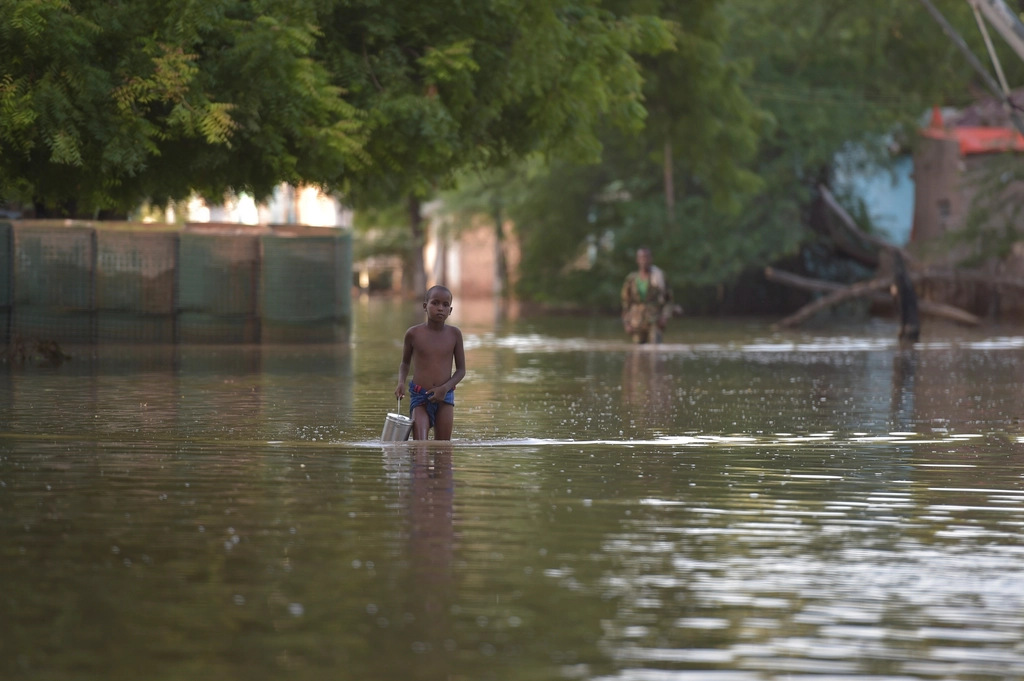
Heavy rain changes the rules of the road because visibility drops, roads become slippery, drainage can overflow and a route that was perfectly normal an hour earlier can suddenly become dangerous.
With El Niño strengthening and Kenya expecting above average rainfall during the coming rainy season, motorists have good reason to prepare before the serious rains arrive.
It starts with the car, but it does not end there. Sometimes the safest decision is simply not to drive.
Check your tyres
Your tyres are your contact with the road, so make sure they are in good condition before the rains intensify. Check the tread, tyre pressure and overall condition. Worn tyres have less grip on wet roads and can make braking and steering more difficult.
Do not forget the spare tyre. Check that it has enough pressure and that your jack and wheel spanner are actually in the car.
There is little comfort in having a spare tyre that has been sitting in the boot for three years only to discover it is flat when you need it.
Check your brakes
If your brakes have been making unusual noises, feeling soft or taking longer to stop the car, have them checked. Wet roads already increase stopping distances. You do not want to add worn brake components to the equation.
Make sure your lights and wipers work
Heavy rain can make it difficult to see other vehicles and difficult for other drivers to see you. Check your headlights, brake lights, indicators and hazard lights.
Then check your windscreen wipers. If they leave streaks across the windscreen rather than clearing the water, replace them. It sounds basic, but being able to see properly is one of the most important things you can have during a storm.
Slow down
This is probably the simplest advice and the one motorists are most likely to ignore. When roads are wet, give yourself more time to brake and more space between your car and the vehicle ahead.
Avoid sudden braking, sharp turns and unnecessary overtaking.
You do not need to match the speed of the person behind you. If they want to drive faster, that is their problem. Your job is to get where you are going safely.
Give yourself more stopping distance
A car that stops easily on a dry road may need considerably more space on a wet one. Leave a bigger gap between you and the vehicle ahead, particularly on highways and downhill sections.
This becomes even more important when visibility is poor because you may not immediately see traffic slowing ahead.
Do not drive into floodwater you cannot judge
This is one of the biggest rules to remember during the rainy season. If water has accumulated across the road and you cannot tell how deep it is, do not drive through it.
It can be difficult to judge depth from inside a vehicle. Floodwater can also hide potholes, open drains, damaged sections of road and other hazards.
Moving water is even more dangerous. A vehicle being larger or having four wheel drive does not make it immune to flooding. Therefore if you see water moving across the road, think twice before attempting to cross.
Do not follow another car blindly through floodwater
Seeing another vehicle make it across does not mean the road is safe for you.
The water may become deeper further along the road. The vehicle ahead may also have taken a different path through the flooded section. If you cannot confidently assess the road, turn around if it is safe to do so and find another route.
Getting home late is better than getting stuck in floodwater.
What if your car stalls in water?
If your vehicle stalls after driving through floodwater, do not keep repeatedly trying to restart it.
Water can enter parts of the engine and electrical system, and attempting to restart a water affected engine can cause serious damage.
More importantly, assess the situation around you. If the water is rising or the vehicle is in danger, your priority is getting yourself and your passengers to safety, not saving the car.
Keep an emergency kit in the car
A small emergency kit can make an unexpected delay much easier to manage.
Keep a torch, charged power bank, phone charger, drinking water, basic first aid supplies and some essential tools in the vehicle.
A reflective jacket or other high visibility item can also be useful if you have to leave the vehicle at night or in poor visibility. Keep important items in waterproof bags, particularly if you regularly travel through areas prone to flooding.
Check the road before you leave
During periods of heavy rain, your normal route may not be your best route.
Check weather and traffic updates before leaving, particularly if you are travelling a long distance or know that your route passes through areas that frequently flood.
If authorities have warned motorists to avoid a particular road, take the warning seriously. What is the point of a shortcut if it leaves you stranded in floodwater?
Be careful around pedestrians and motorcyclists
Heavy rain affects everyone on the road. Pedestrians may have reduced visibility, while motorcycles can be particularly vulnerable on slippery roads and around standing water.
Give other road users space and slow down when passing through areas where water is splashing onto the road or visibility is poor.
Remember that water from your vehicle can temporarily blind another road user.
Never drive around a road closure
If a road has been closed because of flooding, landslides or another hazard, do not assume the closure is excessive simply because the road looks passable from where you are. Conditions can change quickly.
There may be damaged roads, washed out sections, unstable ground or water moving underneath the surface. Turn around and use an alternative route.
If visibility becomes too poor, stop
Sometimes slowing down is not enough. If heavy rain becomes so intense that you can barely see the road or other vehicles, find a safe place to stop and wait for conditions to improve.
Do not stop in the middle of the road or somewhere that puts you in the path of traffic.
If you pull over, make sure you are in a genuinely safe location rather than simply somewhere that happens to be convenient.
What should you do if you are caught in a flood?
Stay calm and assess the situation.
If water is rising around the vehicle, do not remain inside simply because you are worried about damaging the car. Your safety comes first.
Avoid entering fast moving water on foot. What looks like shallow water can conceal a drop, open drain or damaged section of road. If you need emergency assistance, contact the appropriate emergency services and give your location as clearly as possible.
The safest journey may be the one you postpone
El Niño does not mean every rainy day will turn into a flood. But heavier rainfall increases the chances of difficult driving conditions, particularly in places that already struggle with drainage or flooding.
So before you leave home, ask yourself how necessary it is for you to make that trip at that moment.
If the weather is deteriorating, roads are already flooding and authorities are warning motorists to stay off certain routes, postponing the journey may be the smartest driving decision you make.
The goal is not to become fearless when driving in bad weather but to know how to prepare, how to recognise danger and, most importantly, when not to take the risk.
And if you have not yet prepared your house for the heavy rains, our guide on how to prepare your home for El Niño is the next place to start.