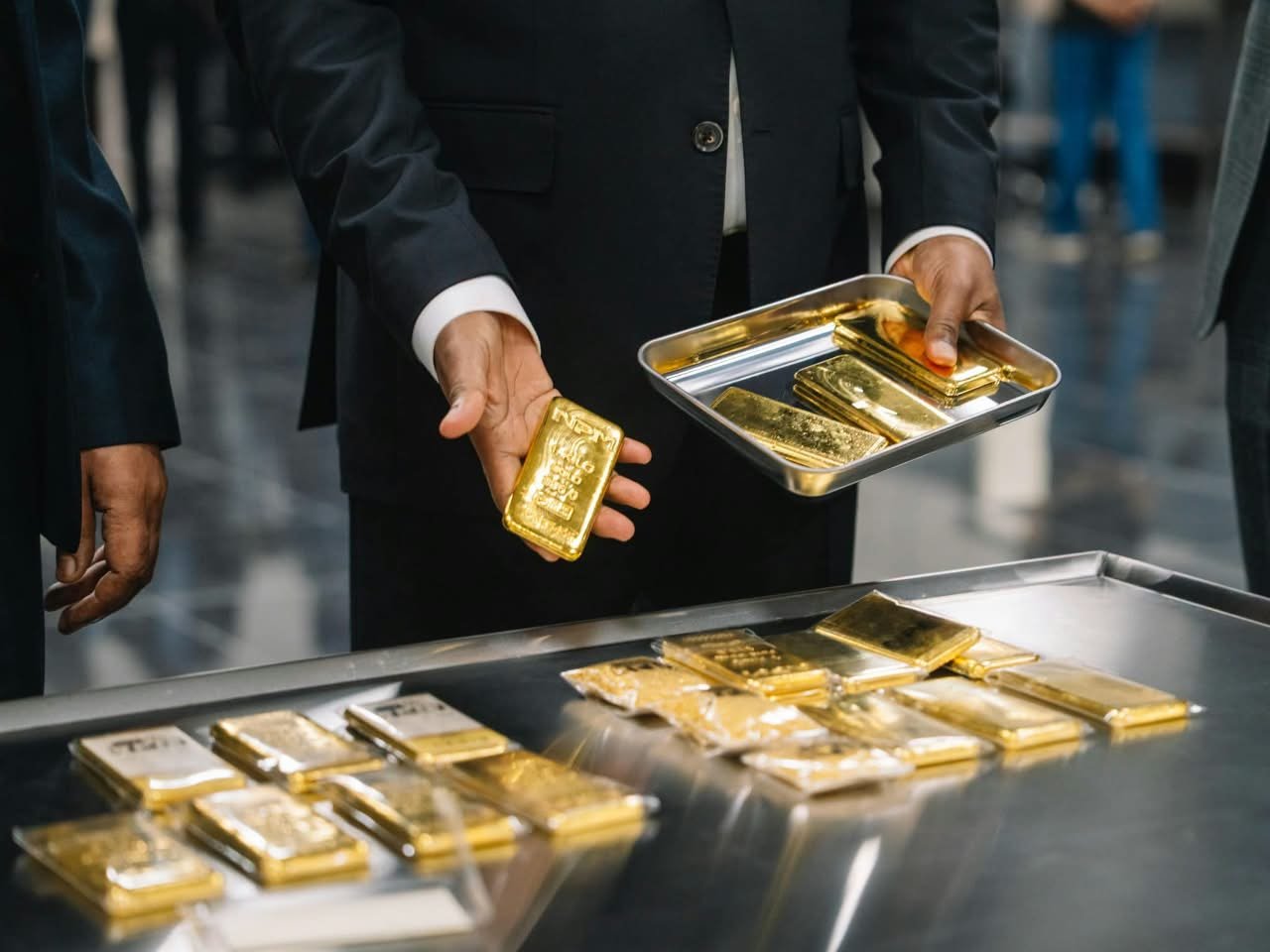
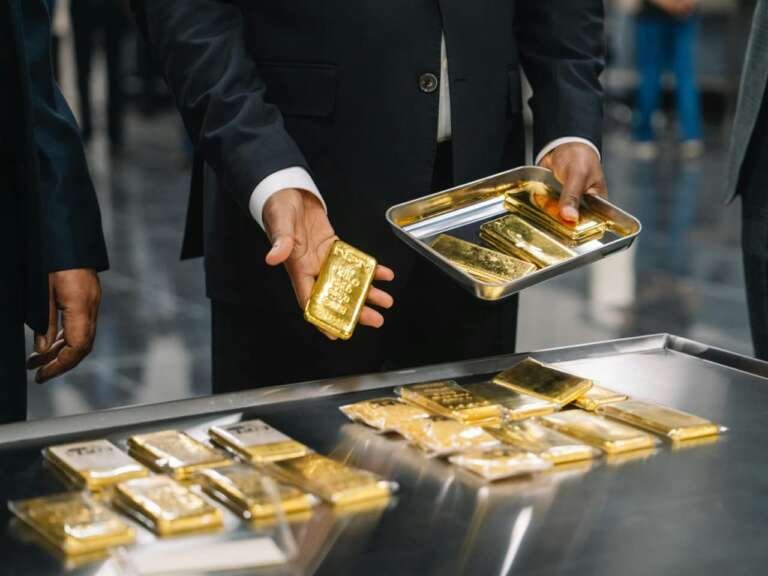
Ethiopia has opened a $50 million precious metals refinery in Addis Ababa, marking a new chapter in the country’s efforts to process more of its natural resources at home instead of sending them abroad for refining.
The National Precious Metals Refinery was inaugurated on October 10, 2026, at the Bole Lemi Special Economic Zone. Established through a partnership between state owned Ethiopian Investment Holdings and international investor Sam Precious Metals, the facility is designed to process more than 600 tonnes of precious metals annually at full capacity.
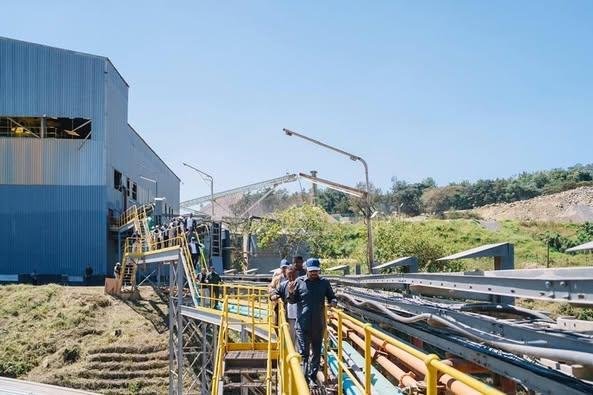
The refinery will test, melt and refine gold, as well as produce gold and silver bars ready for sale and export. According to Ethiopia’s government, the project is intended to strengthen the country’s mining industry, create skilled jobs and position Ethiopia as a regional centre for precious metals processing.
But beyond the $50 million investment, the development raises a question we have asked severally on this site. What happens when countries stop exporting their resources in relatively unprocessed form and begin building industries around them?
Why Ethiopia Is Investing in Gold Refining
Gold has become an increasingly important source of foreign currency for Ethiopia, which has been working to expand exports and strengthen its economy.
According to figures reported by Reuters, Ethiopia earned approximately $5.6 billion from gold exports in the 2025/26 fiscal year. That makes the mineral a major contributor to the country’s export earnings.
Yet extracting gold and refining it are two different stages of the business.
Gold mined from the ground is not necessarily ready to be sold as a finished bullion bar. Depending on its form and purity, it may need to be tested, melted and refined to remove impurities before it can meet the specifications required by buyers and international markets.
For years, Ethiopia has relied on overseas facilities to process its gold. A July 2026 International Monetary Fund report noted that the country’s raw gold was being transported abroad, including to Dubai, for refining and sale.
Establishing domestic refining capacity gives Ethiopia another option. Rather than sending its gold abroad for this stage of processing, the country can carry out more of the work locally.
The government hopes this will improve the quality and value of its gold exports, strengthen oversight of the trade and create opportunities for related industries, including jewellery manufacturing.
What Does a Gold Refinery Actually Do?
To understand why this matters, imagine a country that grows coffee but exports much of it before roasting, packaging and branding it for consumers.
The country earns money from growing and selling the coffee, but businesses elsewhere can earn additional revenue by processing it and selling the finished product.
Gold follows a different industrial process, but the economic principle is similar.
Mining is only one part of the gold value chain. Testing, refining, casting, certification, trading and jewellery manufacturing are other activities that can generate business and employment.
A refinery takes gold bearing material and processes it to achieve a required level of purity. The refined metal can then be cast into bars, tested and certified for sale to buyers who require specific quality standards.
These services do not mean that all the money made from gold stays in the country. International gold prices, transport, financing, operating costs and the terms of trade still matter. However, local refining gives a country the opportunity to retain more of the economic activity associated with its mineral resources.
Ethiopia’s new facility is intended to do precisely that.
Why the 600 Tonne Capacity Matters
The refinery’s announced capacity of more than 600 tonnes annually sounds enormous, but it is important to understand that this is the facility’s designed processing capacity for precious metals, not a claim that Ethiopia currently produces 600 tonnes of gold every year.
Gold and silver are both part of the refinery’s stated scope. Its actual output will depend on the amount and type of material it receives, the pace at which operations develop and whether it can attract customers.
Ethiopia hopes to to serve both its own mining industry and also neighbouring countries and regional mining companies.
Prime Minister Abiy Ahmed has said that producers from elsewhere in the region could bring their gold to Ethiopia for refining, certification and sale, potentially reducing the need to send the metal outside Africa for processing.
If that ambition succeeds, the facility could generate business beyond Ethiopia’s domestic gold sector.
Could Ethiopia Become an African Gold-Processing Hub?
This is where the story becomes particularly interesting for the rest of the continent.
Africa produces valuable minerals, yet the economic benefits of extraction can extend well beyond the country where a resource is found. Depending on the mineral and supply chain, processing, manufacturing and other higher value activities may take place elsewhere.
Ethiopia is attempting to strengthen its position in that chain by building domestic refining capacity and attracting gold from neighbouring producers.
For a mining company in another African country, access to a suitable regional refinery could offer an alternative to sending material to a more distant market. Whether that option is commercially attractive will depend on refining charges, transport costs, security, turnaround times, internationally recognised certification and the prices offered by buyers.
Ethiopia will also have to persuade producers to use its facility rather than established refining and trading centres.
That is a business challenge, not simply an infrastructure challenge. It is one thing to build a refinery and create the capacity to process gold, but attracting enough customers is what can turn that capacity into a successful regional industry.
If the project develops as planned, Ethiopia could benefit from refining fees and additional commercial activity. It could also create opportunities for skilled workers and businesses involved in precious metals trading and manufacturing.
What This Means for Africa’s Mineral Wealth
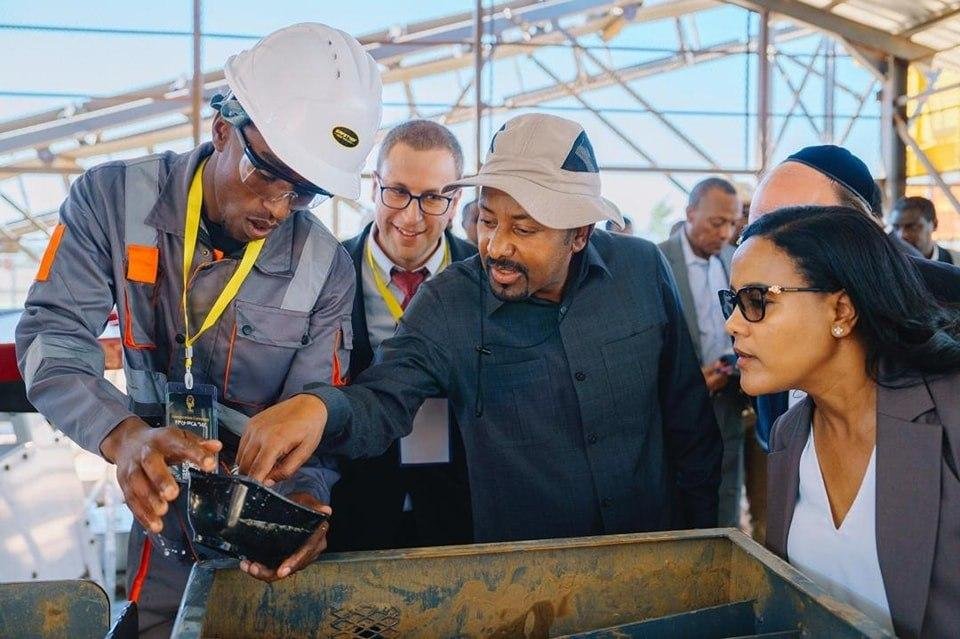
Ethiopia’s investment speaks to a wider debate about how African countries can capture more value from their natural resources.
For many mineral producing countries, the immediate economic benefits of extraction include royalties, taxes, employment and export earnings. Building processing and manufacturing industries can create additional opportunities, but it requires investment, technical expertise, reliable infrastructure, competitive costs and access to buyers.
It also requires careful management. Processing minerals locally does not automatically guarantee higher profits, better wages or broad economic benefits. Those outcomes depend on how an industry is financed, regulated and connected to the wider economy.
Still, Ethiopia’s refinery represents a concrete attempt to move further along the gold value chain.
The country’s state owned Ethiopian Investment Holdings holds a 51 per cent stake in the joint venture, while Sam Precious Metals holds the remaining 49 per cent, according to the announcement reported by Reuters. This gives the Ethiopian state a majority ownership stake while bringing in an international partner.
For neighbouring countries, the more immediate question is whether Ethiopia can offer a competitive and trusted alternative for refining their gold. For Ethiopia itself, the challenge is turning its new facility into a commercially viable operation that serves local producers and attracts regional business.
Africa’s mineral wealth has long featured in conversations about economic transformation. The challenge is not simply to extract more resources, but to build competitive industries that can turn those resources into wider economic opportunities.