The search for the right preschool is one of the toughest rights of passage a parent can go through. Every single school you go to you are met with a maze of glossy brochures and smiling teachers. You will notice the well polished playgrounds and corridors as every centre promises to inspire and prepare your child for the future…. but what does that really mean for a three year old who still needs help tying their shoes?
For many parents, it’s not just about proximity and fees, even though at that age proximity plays a major role. It’s about finding a place where a child’s curiosity is celebrated and learning feels like play. At that age, you have to choose a place where kindness matters as much as counting. Yet with so many options available, it’s easy to feel overwhelmed.
Choosing a preschool is one of the first big decisions a parent makes in a child’s education journey, if not the first. Which is why it’s understandable that it is such a huge decision to make. Kids that age are easily impressionable and, while no school is perfect, there is such a thing as the right fit. A school that meets both your child’s developmental needs and your family’s values.
This guide offers a practical checklist to help you look beyond the surface. From curriculum and teacher quality to safety and emotional climate. Here’s what to ask and trust as you choose your child’s first classroom.
Clarify What Matters Most to Your Family
Before you start touring preschools, it helps to pause and define what truly matters to your family. Every child is unique and every household has different priorities. So do not just decide based on what worked for someone you know. Remember, what worked beautifully for one family may not fit another at all.
First things first, What are your non negotiables? Do you want a play-based program that encourages creativity or a structured curriculum that leans toward academics? Is a faith-based or bilingual environment important? How important is location or daily schedule flexibility?
Another important factor, how is your child’s temperament? Are they highly energetic? Because if so, they might thrive in a school with plenty of outdoor play and movement. On the other hand a shy, sensitive child may need smaller class sizes and gentle transitions. It is important that you match the school’s environment to your child’s personality in order to make the first years of learning more joyful and less stressful for everyone.
Checklist prompt for parents:
Our top three priorities in a preschool are: ___, ___, and ___
Our child’s temperament requires: ___, ___, and ___
By clarifying these points first, you’ll approach every conversation with purpose, making it easier to separate what’s essential from what’s just appealing on paper.
Review Curriculum and Learning Philosophy
Not all preschools teach the same way. Once you understand each one’s educational philosophy, then you can decide if it aligns with your child’s needs and your family’s values. Some schools follow structured curricula with early literacy and numeracy focus, while others emphasize play based learning and creativity. Montessori, Reggio Emilia and CBC aligned programs each have unique approaches. When evaluating a preschool, always ask how they balance structured learning with free play. Do children have opportunities to experiment and make choices, or is the day mostly guided activities and worksheets? A curriculum that values social emotional growth will most likely help your child to develop confidence and a lifelong love of learning.
Checklist prompts for parents:
Does the school encourage exploration and creativity? Yes / No
Are children given opportunities to make choices and lead their own learning? Yes / No
How does the curriculum balance academic skills with play and social development?
Observe the Teachers
Teachers are the heart of any preschool. Actually, teachers are preschool. Their patience and responsiveness can make or break a child’s early learning experience. Impressive facilities or a top-notch curriculum are good and all, but the way teachers interact with children often matters more than all that.
During your visit, take note of how teachers speak to the children. Are they attentive and patient? Do they encourage questions and celebrate small achievements? And how do they handle conflict? A good preschool teacher knows each child’s name and understands their strengths and challenges. Also observe the classroom dynamic. Are children engaged and happy? Are they curious enough, or do they seem anxious or withdrawn? The teacher’s approach to discipline and conflict resolution will shape your child’s sense of security and confidence.
Checklist prompts for parents:
Are teachers attentive and kind? Yes / No
Do teachers know each child by name? Yes / No
Do teachers handle conflicts calmly and fairly? Yes / No
Are children actively engaged and interested in activities? Yes / No
Like I said, facilities can impress but it’s the teacher and child relationships that truly define a preschool experience. Trust your observations because they’re often the clearest indicator of how your child will feel and thrive in school.
Inspect the Environment and Safety
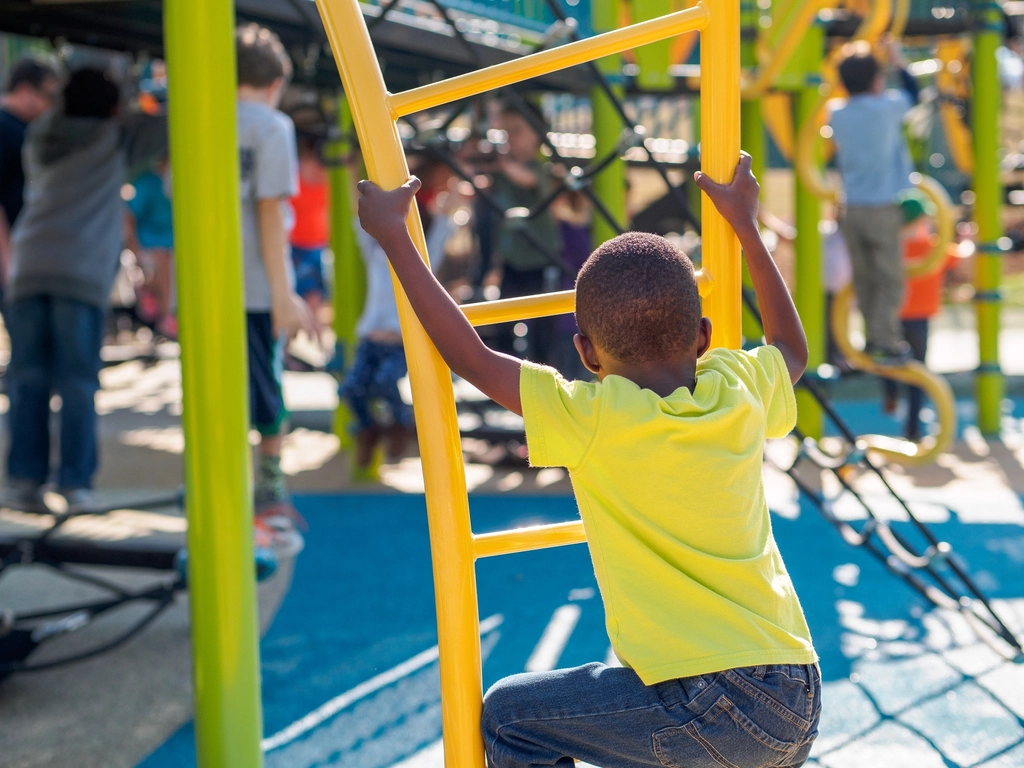
A preschool’s environment speaks volumes. Bright colors and playful decorations are nice as it is, but safety, cleanliness and accessibility is what makes the difference at the end of the day. How is the classroom layout? Are materials within reach for children? Are play areas free from hazards? And, is outdoor space safe and maintained properly? Small details like secure gates, childproofed corners and proper sanitation routines matter a lot because they could be the line between preventing accidents and illnesses.
Ask About Communication and Parent Involvement
A preschool that values collaboration with parents often creates a stronger, more supportive learning environment for children. Open communication allows parents to stay informed about their child’s progress, challenges, and milestones, while also giving teachers insights into a child’s personality and home routines.
During your visit, ask how the school shares updates. Do they provide regular reports, newsletters, or parent-teacher conferences? Are there opportunities for parents to observe classrooms, attend events, or volunteer? Transparent and welcoming schools encourage parent questions and value their feedback — creating a true partnership in the child’s education.
Checklist prompts for parents:
Does the school keep parents regularly informed about their child’s progress? Yes / No
Are there scheduled parent-teacher meetings or open days? Yes / No
Does the school welcome parental input and feedback? Yes / No
Are there opportunities for parents to be involved in school activities? Yes / No
Do not also forget to ask about emergency procedures and supervision ratios. Are there clear rules for handling injuries? Not to forget allergies and sudden illnesses.
Also an important factor that most parents either overlook or forget to check out is if there is sufficient staff to ensure each child is closely watched especially during outdoor or active play.
Checklist prompts for parents:
Are learning and play areas safe, accessible and inviting? Yes / No
Are classrooms clean and well-organized? Yes / No
Is outdoor play equipment secure and well-maintained? Yes / No
Are hygiene routines and emergency procedures clearly explained? Yes / No
Ask About Communication and Parent Involvement
Every parent needs a preschool that values collaboration with parents. This is because it usually creates a stronger supportive learning environment for children. Open communication is vital since it allows parents to stay informed about their child’s progress and milestones. During your visit, ask how the school shares updates. Do they provide regular newsletters or parent-teacher conferences? Are there opportunities for parents to observe classrooms or attend events?
Checklist prompts for parents:
Does the school keep parents regularly informed about their child’s progress? Yes / No
Are there scheduled parent-teacher meetings or open days? Yes / No
Does the school welcome parental input and feedback? Yes / No
Are there opportunities for parents to be involved in school activities? Yes / No
Compare Practical Factors But Don’t Let Them Rule
And then now, we come to what every parent usually looks at first. Practical considerations like fees, location, transport options and meal plans. These, undeniably, are very important when choosing a preschool. After all, convenience and affordability can affect family budgets. Yet still, as a parent you should not let these factors overshadow your child’s emotional well-being and growth.
Make a comparison of the schools you visit, listing both practical and developmental factors. Consider questions like: Is the schedule compatible with your work or commute? Is the cost within your budget? Are meals nutritious and safe for your child? These elements matter, yes, but they shouldn’t outweigh the school’s ability to provide a stimulating and safe environment.
Checklist prompts for parents:
Is this preschool schedule compatible with our routine? Yes / No
Are fees manageable within our family budget? Yes / No
Does the school provide safe, nutritious meals? Yes / No
Does the school’s practical setup support, rather than hinder, our child’s learning experience? Yes / No
When it comes to matters your child, I always say, trust your gut. Always trust your intuition. Parents will more times than not sense what feels right from the small details like the atmosphere or even the way their child responds during a visit. Did your child smile and engage with the teachers? Did the space feel welcoming and safe? Subtle cues that can be just as telling as any facility feature.
By combining practical evaluation with emotional intuition, parents can make a confident choice that lays a strong foundation for their child’s early learning journey. At the end of the day, the best preschool is one where your child thrives as opposed to just surviving.



1 thought on “How to Choose the Right Preschool: A Complete Parent’s Checklist”
very nice inspiration