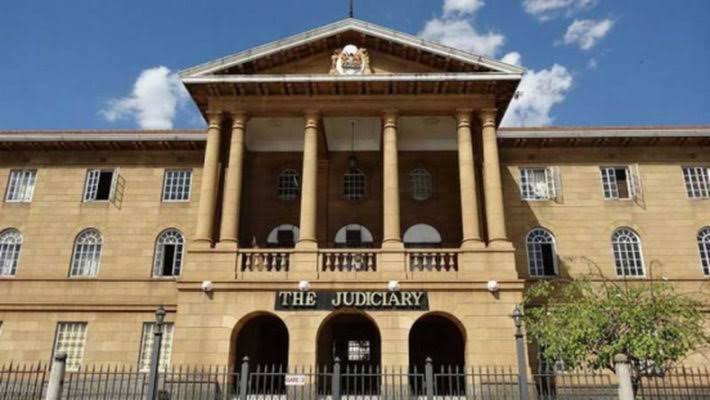
For once, Kenyans are talking about the courts with something close to hope. Not the celebratory kind, but a cautious optimism. We cannot help but wonder… are things shifting?
In recent months, the judiciary has made a series of decisions that feel unusually grounded in public interest. First came the ruling protecting indigenous seeds, a quiet but powerful stand against policies that threatened food sovereignty and farmer autonomy. Then, more dramatically, the High Court stepped in to halt a proposed Sh200 billion health deal between Kenya and the United States, raising red flags about transparency, accountability and the long term implications for public healthcare.
These are not small interventions. They signal a court willing, at least in moments, to slow down executive momentum and ask hard questions on behalf of citizens.
But the shift is not only visible in headline grabbing constitutional matters. At the lower courts, something subtler is happening. Magistrates are increasingly opting for discretion over punishment, especially when dealing with young people and petty offences. Cases where a first time offender is counselled, warned and released, like the young man caught stealing alcohol, may seem insignificant in isolation. Yet they point to a justice system that is beginning to recognize context, social pressures and the difference between criminality and desperation.
This approach challenges a long standing culture where punishment was often detached and disproportionately harsh on the poor. It hints at restorative justice rather than purely punitive justice, an idea Kenya has spoken about for years but rarely practiced with consistency.
So, is the judicial system truly making steps forward?
The honest answer is, in parts. The courts are still far from perfect. And because this is Africa, delays remain endemic while access to justice is still shaped by class and legal literacy. Corruption allegations have not vanished. And one good ruling does not dismantle years of institutional mistrust.
But what feels different now is the pattern. These decisions, taken together, suggest a judiciary that is testing its independence more openly and asserting its role as a constitutional referee, not just a procedural rubber stamp.
Perhaps this is not a revolution, but a recalibration.
In a country where public confidence in institutions has been badly shaken, even incremental course corrections matter. The judiciary does not need to be heroic. What It needs however, is to be consistent and brave enough to disappoint power when necessary.
For the first time in a while, it seems to be trying.