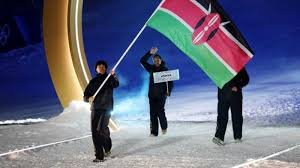
At just 18 years old, Issa Gachingiri Laborde Dit Pere is poised to make history as Kenya’s sole competitor at the 2026 Milano Cortina Winter Olympics in Italy. Born and raised in the French Alps to a Kenyan mother and French father, Laborde grew up skiing, a world away from the equatorial climate of his mother’s homeland. Still, it was his mother’s side that he chose to represent when he carried the Kenyan flag onto the snow for the giant slalom event.
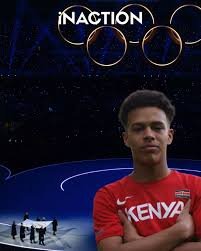
Laborde’s Olympic debut represents a growing chapter in African participation in winter sports. This year’s Games feature around 14–15 athletes from eight African nations, including South Africa, Madagascar, Morocco, Nigeria, Eritrea, Benin and Guinea-Bissau. These competitors span disciplines from alpine and cross country skiing to skeleton and freestyle, a remarkable expansion from the previous years when African presence in the Winter Olympics was rare.
For many people in Kenya and across Africa, winter sports still feel distant. To be honest, how can we understand a competition named “winter,” when most Africans die without ever experiencing what that means? Snow covered slopes are not part of everyday experience and access to training infrastructure is limited. Laborde’s journey from French ski slopes to representing Kenya on the Olympic stage, therefore, highlights how talent can transcend geography. Supported in part by the International Olympic Committee’s Olympic Solidarity programme, his presence underscores the potential for athletes from non traditional winter nations to compete with the world’s best.
In his own words, this Olympics is about more than rankings; “just being here” is an achievement and a signal of what’s possible for future generations of African winter athletes.
We cannot talk about Laborde’s journey without mentioning Sabrina Simader, Kenya’s pioneering female alpine skier. Simader became the first Kenyan alpine skier to compete at the Winter Olympics in 2018 (PyeongChang), earning international attention and inspiring a new generation.
She had planned a comeback for Milano Cortina 2026, having come out of retirement with the aim of competing again. However, her dreams were thwarted by financial and administrative challenges that included funding shortfalls, delayed support and personal investment that ultimately couldn’t cover the cost and preparation needed to compete. Her withdrawal, coming so close to the Games, was a bitter reminder of the hurdles athletes from less resourced countries still face.
This is a story that has repeated itself so many times it’s actually becoming tiresome. The Government of Kenya has historically poured resources into marathoners and track stars – understandably – as they deliver medals and always raise that flag up high without fail. But shouldn’t support be equal? Why is it that beyond athletics, support becomes uneven? Even football, arguably known as the world’s most popular sport, has had to fight for sustained funding and structural reform.
We all saw what happened when Kenyan darts champion David Munyua was rising through the ranks. He approached the ministry of sports to request for support and funding, but they blatantly turned him away and reportedly dismissed his sport as a “bar game.” Yet when he went on to win internationally, officials were quick to congratulate him. The irony was not lost on Kenyans.
Simader’s experience brings to the surface once again the fact that while breakthroughs are happening, institutional support, funding and infrastructure remain key barriers for African winter sport athletes, and many other underrated sports in the country.
Despite the setbacks, Laborde’s Olympic debut is immensely significant not just for Kenya, but for Africa’s presence on the global winter sports stage. With more African athletes competing across disciplines than in previous Games, the 2026 Winter Olympics is becoming a platform for greater representation and diversity.
For Laborde, stepping onto the snow in Italy is a beacon of inspiration and proof that even where snow falls infrequently, ambition and talent can still take flight.