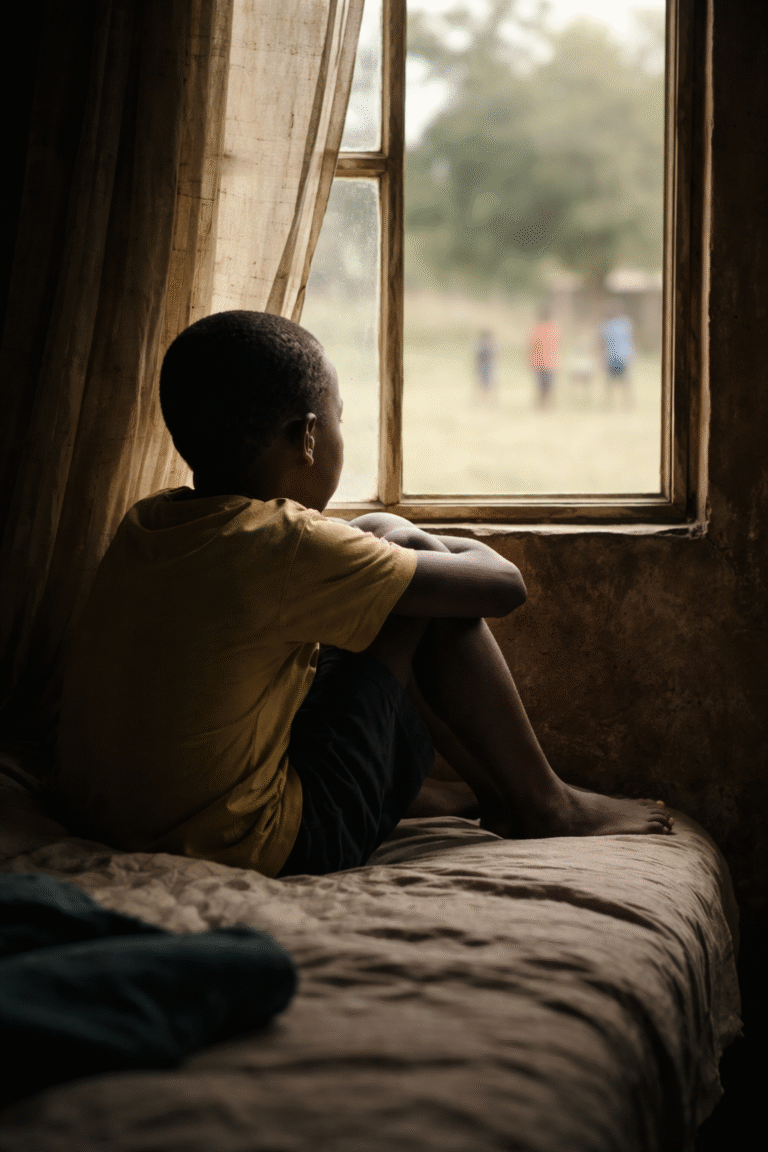
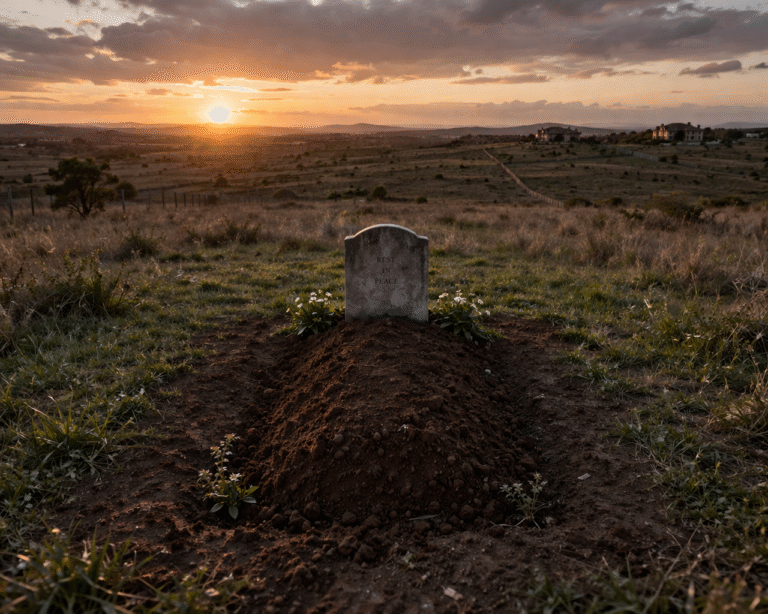
August 13, known globally as World Organ Donation Day, is the day we honor those who give life through donation while raising awareness about the many others still waiting for transplants. In western countries organ donation is a part of public health systems. Most of these countries have registries, waiting lists and robust awareness campaigns.
It is somewhat different in Africa, where the conversation surrounding organ donation is only beginning to take root.
There is an undeniable clash between tradition and modern medicine. Meanwhile, cultural hesitation and medical necessity leaves us asking what organ donation really looks like on the continent and what lessons the rest of the world can draw from its unique journey.
Is it not amazing how organ donation has evolved into a well-coordinated system that saves thousands of lives in many parts of the world. On top of this list is Spain, who is often cited as the global leader. This is because in Spain there is a national program that has normalised organ donation, with more than 40 donors per million people. In The United States, robust campaigns are rolled out to actively encourage citizens to register as donors, a necessity in a country that has over 100,000 patients currently on the transplant waiting list.
And interestingly, the U.K. recently shifted to an “opt-out” system, where every adult is considered a potential donor unless they state otherwise.
It is applaudable the infrastructure that is in place in these countries with fast logistics to move organs from donor to recipient. Awareness campaigns run on TV and social media, while hospitals normalize conversations about donation long before death occurs.
But even with all these systems in place, shortages persist and culture/ religion still shape people’s decisions. And yet, the gap is wide when you compare it to Africa , where most African countries are still trying to figure out how such systems should function.
Take Kenya for instance, where organ donation is still shrouded in mystery. The Health Act of 2017 created a legal framework for organ and tissue donation. By 2022, the Kenya Tissue and Transplant Authority (KTTA) was launched to oversee the process which, on paper, places Kenya among countries with a formal donation policy. The reality, however, is still very different.
Most transplants in Kenya rely on living donors. These could be family members giving a kidney or part of a liver. The truth is that the backbone of transplant systems is usually having and implementing a national deceased donor program, which unfortunately, is where Kenya and most African nations fall short.
It is not all bleak though, because plans are underway for an organ and tissue bank, and hospitals like the East Africa Kidney Institute in Nairobi are playing a central role. Nevertheless, progress is still slow.
The stories are similar across Africa. In Nigeria, legislation exists but cultural resistance stalls donations. And even in countries like South Africa which has a more advanced transplant sector, demand outpaces supply by staggering proportions. Other nations like Ethiopia and Uganda are only beginning conversations about how to regulate donations. What is left is that those able to afford it travel abroad in search of transplants. The rest are left with the grim reality of painfully long waits and slim chances.
Barriers Beyond Medicine
Many communities in Africa hold the belief that a body should be buried whole. That a dead person should stay untouched, to honor both the deceased and ancestral traditions. You would understand then why the idea of removing organs after death feels disrespectful.
Religious perspectives also play a role. While many faith leaders from all divisions have spoken in support of donation as an act of compassion, misconceptions rage on with some believers worrying it might interfere with the afterlife and others distrusting the medical system’s ability to act ethically in matters of life and death.
There is also the issue of lack of awareness. In the west, organ donation is so normalised that citizens are even encouraged to check a box on their driver’s license or register online. Meanwhile few Africans even know how or where to pledge their organs.
Finally, stories of organ trafficking and unethical medical practices have created mistrust among most people. It is unfathomable to some that a doctor could access a loved one’s body. It almost feels like creating room for exploitation. Without transparency even well-meaning initiatives risk being met with suspicion.
Again, it is not all bleak.
There is room for hope despite the hurdles. Kenya, for example, has begun laying the foundation for change. The creation of the Kenya Tissue and Transplant Authority (KTTA) is a major milestone which signals government commitment to building a safe and ethical system. Plans for a national organ and tissue bank aim to establish a framework that makes it easy to match donated organs to recipients through a transparent waiting list.
Online donor registration platforms now exist, and conversations about donation are beginning to spread. Across Africa, collaborations with global medical institutions are helping to train specialists and equip facilities for safer transplant procedures.
While separately these steps may seem small, together they represent a growing shift from silence to dialogue and action. We can comfortably say that the seeds of a culture of donation are being planted.
The implications of Organ donation are global. Africa’s struggle with donation and transplantation connects directly to questions of equity and shared humanity.
To get the full image, take a look at medical tourism where every year, thousands of Africans travel abroad for transplants. In Kenya for instance, almost everyone is travelling to India. For wealthier patients, this creates access but for the majority, it highlights inequality.
Because weak systems create vulnerability, the threat of organ trafficking looms large. It would therefore be to everyone’s advantage if the global community ensures that Africa develops transparent, ethical transplant frameworks to prevent exploitation and safeguard human dignity.
Finally, it all boils down to morality. Organ donation is one of the most tangible acts of humanity where one person’s gift can give another a second chance at life. Recognizing and supporting Africa’s efforts is a step toward a world where geography doesn’t determine whether someone lives or dies while waiting for an organ.
For a global audience, Africa’s journey is part of a wider conversation about how humanity shares resources and defines compassion in a modern world.
In conclusion, World Organ Donation Day is a reminder of the profound gift one person can give another. In Africa, we still have a long way to go toward building a culture of donation. Laws have been written and authorities formed…… but cultural hesitation and systemic gaps still loom large.
As August 13 approaches, perhaps the most important step we can all take is to talk openly about what it means to leave behind life itself.