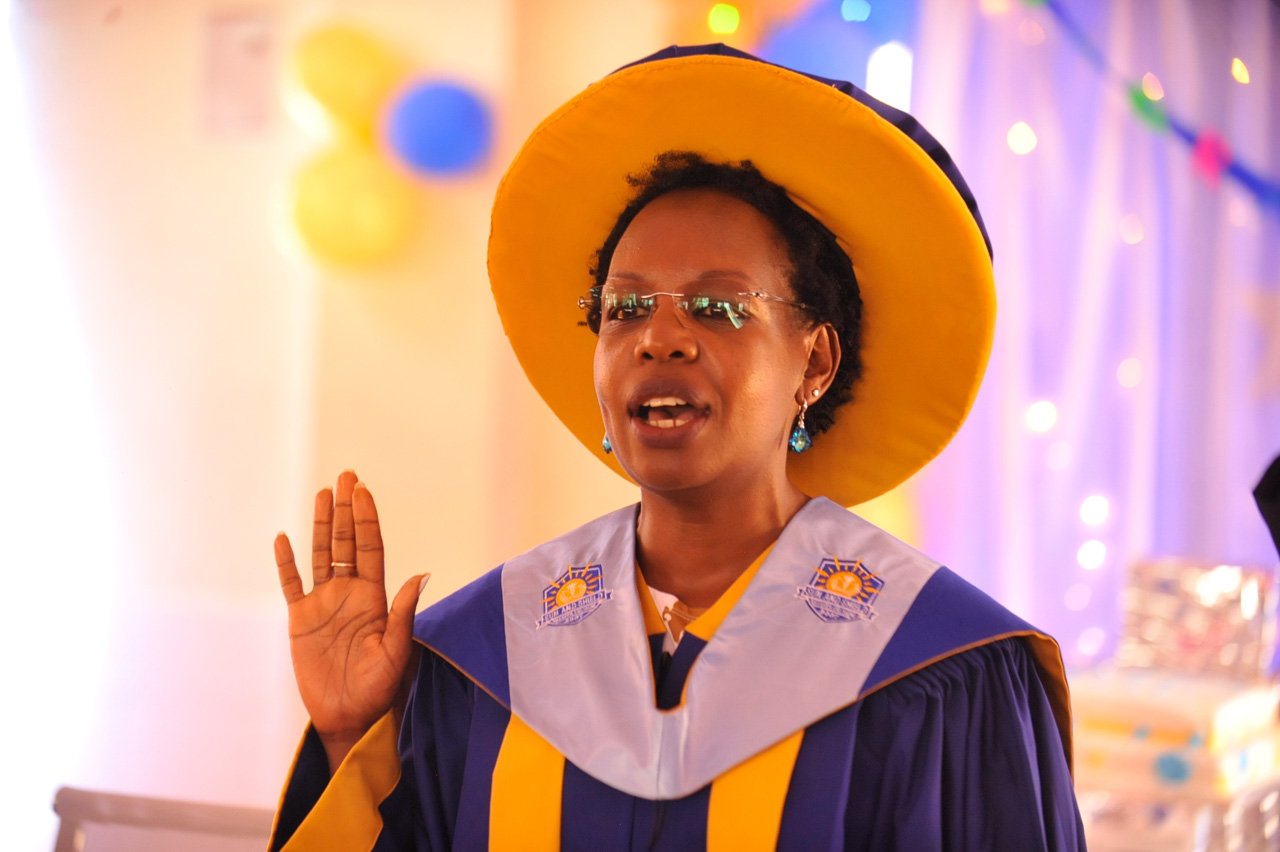
At the age of five, children are meant to explore and play. At least that is how we used to do it back then. Play – alot. And of course, grow through guided learning. Yet, across Kenya now, many pre-primary classrooms are hosting events that resemble miniature university commencements complete with little gowns and mortarboards. These events are so elaborate even university graduations have nothing on them. Printed programs, photographers, elaborate party tents. Basically, the whole.nine yards.
What was once a simple celebration (could we even call it that, a celebration?) has quietly morphed into a full-scale production, with parents spending thousands on decorations and even more on outfits and catering. Relatives are now travelling from all over the country to attend these events. Because if they do not, do they really care?
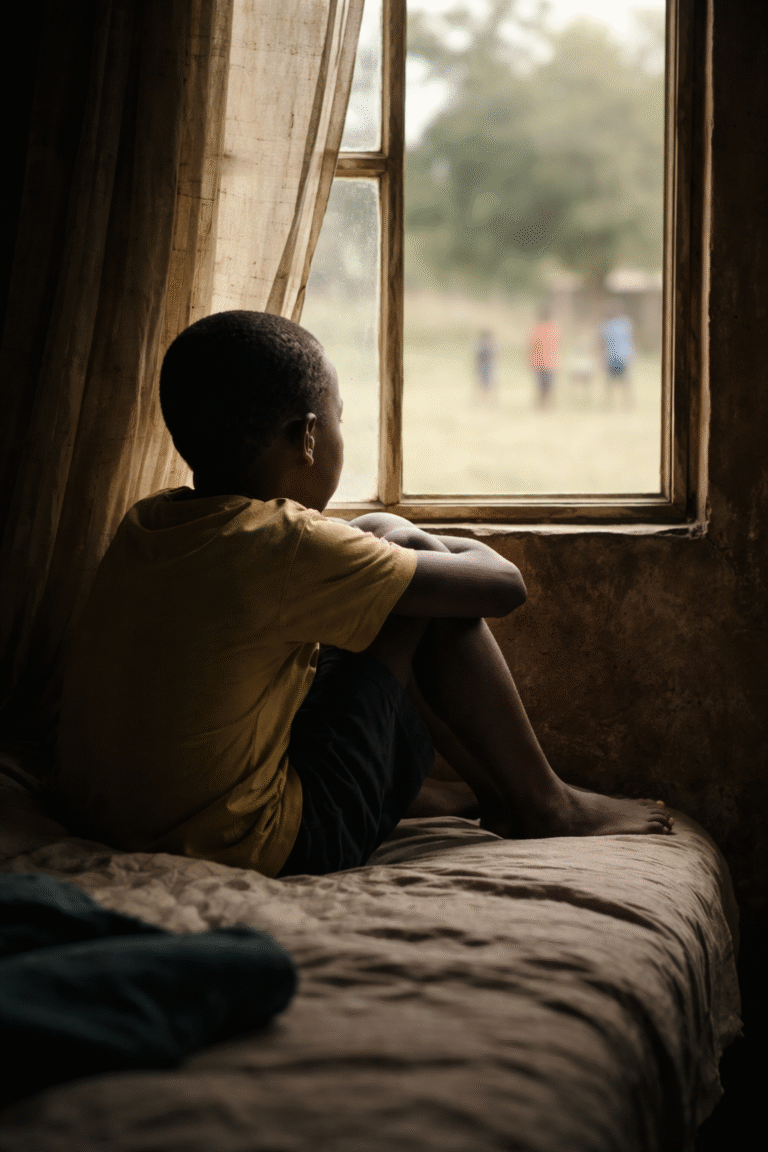
In a country whose citizens are struggling to even make ends meet, families already under financial strain are the ones feeling the pinch the most. And mark you these events are never optional – everyone has to participate and pay a standard fee. Plus if you do not participate, your child is the one who will bear the repercussions. Being left out and teased for the same can leave any 5 year old traumatized. And so we have instances where these ceremonies become stressful rather than joyful. Especially for children where they risk turning a developmental milestone into a performance measured by adult standards.
The Ministry of Education’s recent directive banning PP2 graduations has reignited debate on what exactly we are celebrating. Are we acknowledging learning or indulging spectacle? Admittedly, not everyone had an issue with them. Whereas some parents view these graduations as a proud moment to capture, others have begun to question their necessity. And others, right from the beginning, had always seen them for the madness they represented. The images shared on social media of rows of five-year-olds in oversized gowns complete with sashes and caps, paint a picture less about education and more about competition and consumerism.
And that right there brings us to the issue of contention for today’s topic. How this culture of spectacle subconsciously seeps into how children begin to understand learning and success. When every small transition is marked by balloons and matching outfits, when every time there is a full production set of videographers and sound, how will our children not start associating achievement with external validation? That there has to be applause, gifts and social media likes rather than persistence and personal growth? In developmental psychology, early childhood is a stage defined by exploration and play, not performance. This is a philosophy that the Competency-Based Curriculum (CBC) underscores quite clearly. That education in early years should nurture creativity, social skills and emotional growth through guided experiences. Never, at any point, is it about formal assessments or ceremonies.
So when the emphasis shifts from the process of learning to the performance of graduation the message becomes muddled along the way. Not to forget that teachers also feel the weight of parental expectations when they are pressured to organize events that match those of neighboring schools. Or, of course, outshine them. The result? Days (could be weeks) lost to rehearsals and event planning. I cannot even begin to imagine the logistics of decorations, catering and guest lists that go into these events.
The Ministry’s decision to ban PP2 graduations, therefore, is more than a cost cutting measure. It is a philosophical correction. And it couldn’t have come at a more appropriate time. It reaffirms CBC’s intent to protect early learning spaces from unnecessary commercialization. By doing away with lavish ceremonies, schools can reclaim valuable time for play and social learning. Which happens to be the very foundations of a child’s educational journey. It also relieves teachers of logistical burdens and parents of financial pressures that – let’s be honest here – add no real value to a five year-old’s development.
As a society, we need to be honest with ourselves and question what lesson exactly we are teaching when we applaud spectacle more than substance. Children do not need gowns to feel proud of learning how to count and read. At this age, we are just teaching them how to share, how to be kind. They have just come out of learning how to use the potty, for crying out loud!
They need curiosity and connection. If we truly wish to celebrate them, we can do so through small, meaningful gestures like a storytelling session or a class exhibition. Kids that age remember the most unexpected things, like maybe a day spent reflecting on their favorite moments of the year. They are not adults. These graduations, are they for themselves or for their parents? Because I imagine at such an age such ceremonies are just but cumbersome. At one point, they will even start wondering when the ceremony will be over so that they can go home and play. Recalibrating what we celebrate in early childhood is about restoring meaning. Learning should feel like discovery. And at that age, learning should definitely not be a performance.
I do not know who came up with the idea that the best graduation a five year-old can have is one that is staged under a decorated tent complete with sound systems and performing artists. At that age, all they need is a quiet confidence that comes from knowing they are growing and are loved, with or without a cap and gown.