If you are Kenyan, you probably understand that seeking medical treatment abroad has been a quiet reality for many families facing serious illness. We all know someone that had to do harambees’ to be able to travel abroad and get treatment, for one reason or the other. What begins as a devastating diagnosis is usually followed by the declaration that a particular treatment is not available locally. From there, the journey becomes less about medicine and more about money. One either has to sell property, exhaust savings or appeal to the goodwill of strangers through fundraisers and social media pleas.Against
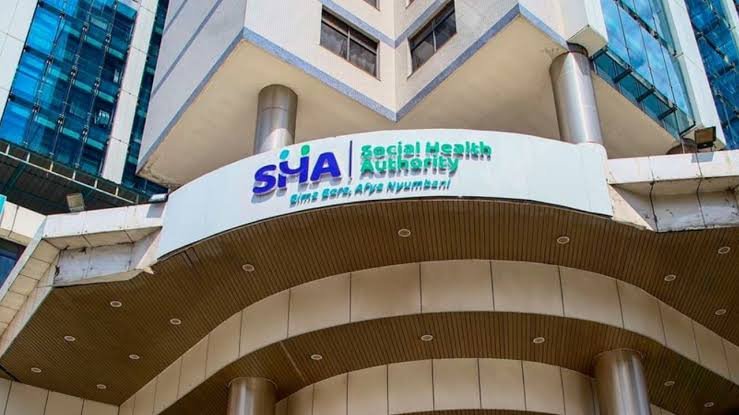
Against this backdrop, the government’s plan to include treatment abroad under the Social Health Authority (SHA) feels both overdue and ambitious.
While the proposal sounds great on paper, it also acknowledges that Kenya’s healthcare system does not yet have the capacity to handle every specialized medical condition. Certain cancers, rare genetic disorders, complex cardiac and neurological procedures and advanced transplant related care still require facilities and expertise that are more readily available outside the country. Is this the government’s way of saying that access to life saving care should not be determined solely by personal wealth?
For ordinary Kenyans, this is an emotional announcement. Medical tourism as we know it has always been the preserve of the affluent while the majority are left to either accept suboptimal care or face financial ruin in pursuit of better options abroad. If SHA succeeds in creating a structured and transparent referral system, it could reduce the culture of desperate fundraising and offer families a sense of dignity. Especially now when the quality of life keeps taking hit after hit. The idea that medical need rather than social status could determine access to overseas care is a powerful one.
But can hope alone carry this policy to success? The details matter, and this is where public skepticism begins to surface. Treatment abroad is notoriously expensive, often running into millions of shillings, and that is even before accommodation, travel and follow up care are factored in. If locally SHA already has scandals and controversy, how then will it be effective outside the country?
If coverage limits are set too low or approval processes are too rigid, families may still find themselves stranded between partial support and overwhelming costs.In
In healthcare, halfway solutions can be as cruel as no solutions at all.
Read on 👉 What’s Really Happening With AoN? A Simple Breakdown for Kenyan Civil servants.
There is also the question of speed. Imagine your liver failing you and you still have to wait for committees and paperwork to be processed. Think of all the prolonged verification processes. Will this overseas treatment framework be able to balance accountability with urgency? A system that is medically sound but administratively slow risks failing the very people it is meant to protect. For patients battling aggressive diseases, time lost is often life lost.
There is also the not so small issue of Trust. SHA is still a relatively new institution and many Kenyans are watching closely to see whether it can deliver consistently and fairly. Decisions around who qualifies for overseas treatment and who does not will inevitably be scrutinized. Without clear communication and transparency, the programme risks being perceived as selective or inaccessible, reinforcing long standing doubts about equity in public healthcare.What
What about the scandals that are sure to follow? I mean, if you look at it critically, instead of equipping our hospitals and training specialists, the grand master plan is to export patients? Does errr, Singapore (if you know you know) fly its citizens to Europe or India for treatment when things get complicated?Or do they actually build systems that work at home?
Read on 👉Your Rights at the Clinic: What Every Patient Should know
This specialized treatment abroad move sounds less like healthcare reform and more like a frequent flyer program funded by taxpayers…another well packaged pipeline for siphoning public money under the noble banner of medical care.
Why is a country whose government keeps talking of moving it into a first world country proud of sending its sick citizens abroad for care? Overseas treatment may be a necessary short term intervention, but it is not a substitute for sustained investment in local specialized healthcare. Every referral abroad highlights a gap at home. From infrastructure, training, equipment to policy prioritisation. The fact that this government wants to normalise exporting patients without aggressively strengthening its own health system thus risk entrenching dependency rather than building resilience speaks volumes.Still
Still, it would be unfair to dismiss the policy outright. Including treatment abroad under SHA represents a shift in thinking because it is an acknowledgment that healthcare access must evolve with medical realities and human need. The move is still welcome, even though it is surrounded with all these uncertainties.Ultimately
Ultimately, the success of this initiative will be measured by lived experience. It will be judged by the cancer patient who receives timely approval or the child whose rare condition is treated without bankrupting their family. Think of all the ordinary Kenyans who no longer have to choose between survival and financial ruin. Until then, the plan deserves cautious optimism, and relentless public scrutiny.