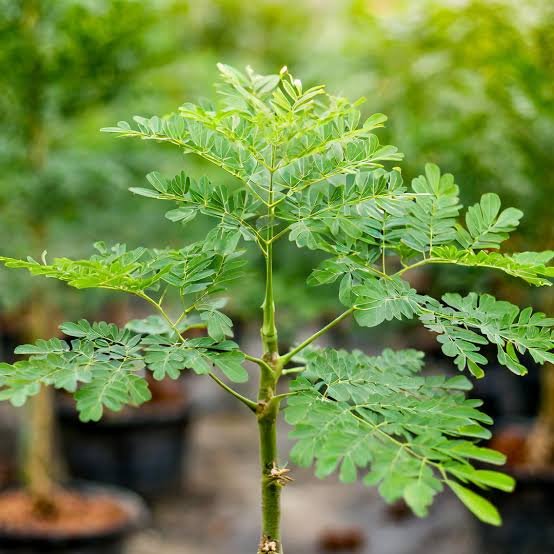
I was shocked to learn that the famous plant everyone is now blending into smoothies and uji power sellers we’re adding in their porridge was growing right outside our doorstep in the village.
I got curious you see, after my local uji seller told me about all the miracle this plant could do. And sell to me he did. Moringa. I did a quick Google search, and you can imagine the shock on my face when images of it came up. The same tree whose leaves we once swept off the compound without a second thought is now being called a superfood. That it is packed with calcium, iron and all sorts of nutrients that sound like they belong on a pharmacy shelf. Heh!
Why do we Africans often overlook what’s right in front of us? We are so blessed with these natural treasures like moringa, aloe vera and hibiscus, but it takes someone across the ocean to package them and market them then sell them back to us with a new name and a price tag.
Take for example, Hibiscus. It sounds so fancy, right? And yet, it has always been there amongst us, quietly proud.It is high time we start looking at our soil differently. Because 99 % of the time, that new wellness trend product might just be growing quietly outside your grandmother’s kitchen.
Speaking of grandma’s kitchen, another food that comes to mind is the (in)famous sour milk that the kisii people have been mocked for using for decades. The amaruranu is the word for their fermented milk. People called it spoilt milk, rotten milk and what have you. Exit amaruranu, enter kefir. The sour milk grains that were hailed as a super food that controlled blood pressure, ulcers and had many, many other benefits that I cannot begin to talk about here. People made hundreds of thousands selling kefir grains. And Kenyans being Kenyans, bought them en masse. Guess what? Kefir is just the glorified name for Amaruranu.
There, someone had to say it….
People are now taking Moringa tea for energy, glowing skin, weight loss, detox; you name it. It’s trending on wellness pages and being sold in cute little tins for insane amounts. The same tree that grew in our backyard, whose name we didn’t even know. How many other treasures have we Africans ignored? Why does it take someone else to tell us that moringa, neem, hibiscus are special? Why does someone have to rename amaruranu kefir for us to start raging about it?
Moringa, they say, is so rich that they promise it can fix everything from fatigue to high blood pressure. The leaves are rich in vitamins A and C, iron, calcium and antioxidants. Experts say it boosts immunity, clears the skin and even helps with digestion. It’s like nature’s multivitamin, only greener and cheaper if you’re lucky enough to have the tree nearby. (I am seated in the village writing this, watching it unbelievably as it sways to the wind in our backyard.)
Other plants that we took for granted growing up because they were right there in our shambas include:
1. Aloe Vera (Shubiri) that grows wildly across Africa. Now we know that it is amazing for skin, digestion and hair growth.
2. Neem (Muarubaini / Mukau) that is literally called “the tree of forty cures.” Although to be fair to the mwarubaini, this is probably the only tree we knew as a super plant growing up. Any small illness, you were forced to drink the extremely bitter herb. The mwarubaini is antibacterial, antiviral and used for everything from malaria to acne. Unfortunately, we have villages where locals do not know about it and just use it as a shade tree.
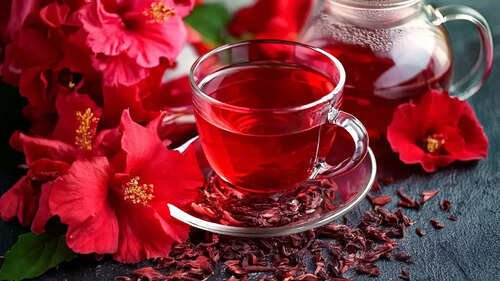
3. Hibiscus (Roselle / Sudanese tea). The dried flowers make that bright red hibiscus tea you see on wellness TikToks. Good for the Sudanese for discovering it centuries ago, where it is considered a classic drink. In many African homes, it’s just another bush.
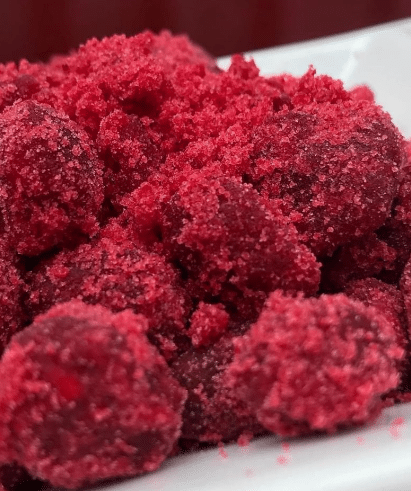
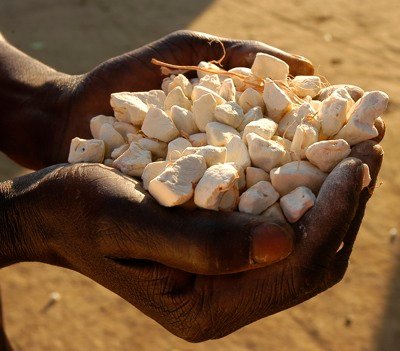
4. Baobab (Mbuyu) whose fruit pulp is full of Vitamin C and fiber, but we grew up eating it as a snack. To us, it was just something we enjoyed (especially us that grew up in Mombasa). Do you know that the baobab is put in smoothies and health supplements in the West?
5. Sour Sop (Graviola) is believed to help with immunity and even cancer prevention. It is also now a wellness trend.
6. Lemongrass (Tangawizi ya majani). This is another plant that grew in our backyard. My grandmother and later mom used it in tea because they just loved the smell it added to tea and even the taste. Now it is being used as mosquito repellent and stress relief, but growing up we rarely thought of it as a valuable herbal plant.
We are a rich continent – something I will never stop ranting about. I just hope we can go back to our roots and do the needful. And before you rush to buy the next super food online, take a slow walk around your village because the real miracle might already be growing there. 🌿