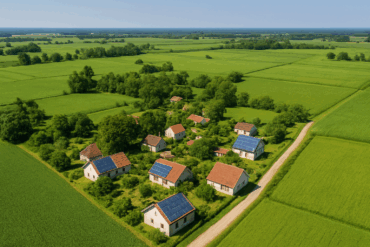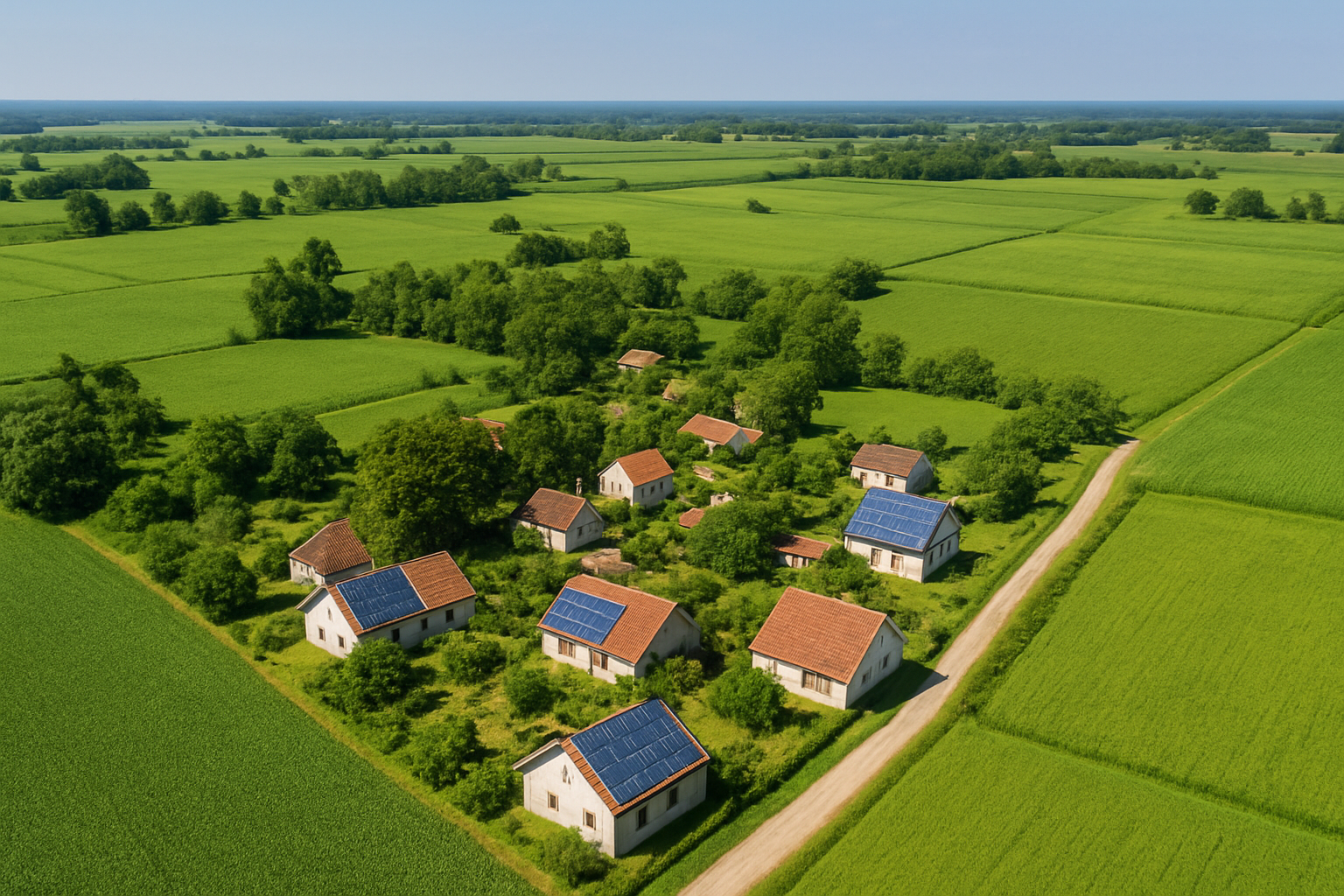
Do not get me wrong, as someone that lives in syokimau, breezing through the express way on a sunday morning while listening to your favorite genre of music is cool and all, but imagine being in the countryside on a Sunday morning as the roosters crow and dew clings to maize stalks. Waking up and looking at the hill across as you breathe in the fresh air while time seems to be moving in slow motion. The expressway might be fun, but as someone who stays along Mombasa road, the foul air that comes from all the factories located here is not it. (it gets worse as you keep moving towards Athiriver.)
Which brings us to an interesting question, What if the future isn’t found in high-rise apartments and neon skylines but in quiet farms with winding village paths?
Just like how fashion keeps repeating itself and what was fashionable in the late 80’s and 90’s seems to be making a comeback, young people are looking back and realizing the places their parents fought so hard to leave behind weren’t that bad at all.
Are cities losing their shine? I have found myself repeatedly asking for some time now.
For decades, cities have been painted as the ultimate destination where opportunity lives. But….it just doesn’t feel the same anymore when rent rises faster than salaries and traffic eats away hours that could be spent with family. Many a time, the dream of making it translates into stress and survival. It is no longer about success.
One cannot help but wonder, living in the city, if we were put on this earth to work, pay bills, repeat process, until we die.
And do not get me started on the fatigue that hangs heavy in urban spaces. The constant hustle, the endless noise and the competition for even the smallest comforts leave many young people drained. When i remember i have to buy even drinking water and my mom gets it for free back home (better tasting and cleaner at that) i cry premium tears. Social media adds to the illusion, painting a picture of living in the city as glamorous when in truth, many are working two jobs just to pay bills in neighborhoods that barely offer peace.
It’s no wonder then that conversations about leaving the city now feel appealing. The glitter of skyscrapers doesn’t excite many people anymore, especially in comparison to breathing in fresh air, drinking clean water and eating produce straight out of the farm. But most importantly is the idea of community, and owning / tilling land of your own.
Like one reddit user so aptly put it, “Nairobi just wears the soul… I can’t stand Nairobi traffic… the noise… the city just wears the soul, if I may.”
A Return to the Village Dream
We have come full circle. The village, once the symbol of a less “successful” side of life, is now being viewed as a fresh beginning.
Rural areas hold ancestral ties and a sense of belonging that city life is incapable of offering. Not to forget the elephant in the room – land. Land that one inherited for free or bought more affordably than any city plot.
As Africans, land has always been the face of stability. It is nothing new. A man without enough land back in the day could never have dreamt of marrying more than one wife. And a man with only one wife was considered a failure and had no right to speak in front of his peers when serious issues were being addressed. It always came down to land. And now that land is becoming this hot commodity, Africans are realising how wealthy they have been all along.
We were never poor to begin with.
Land is the new gold and in a world where rent eats half or more of your paycheck, the idea of investing in soil rather than square footage feels wiser than ever.
With land comes its twin – Agriculture. Once dismissed as old-fashioned, farming is being reimagined through innovation and global trends. Crops that our grandparents and great grandparents grew out of necessity like sorghum, millet, amaranth and teff – crops that were once viewed as a poor man’s food – are suddenly being hailed as the future of gluten-free living. Health-conscious markets in Europe and the U.S. are embracing them as superfoods as local entrepreneurs start to take notice.
At this point, the village is no longer just about survival. It is beginning to look more and more like the future, where memory is blended with modern opportunity. My grandparents might have grown millet because they had no choice, I, however, grow millet because the world is demanding it. (And also because the porridge hits differently than anything that ever comes out of a supermarket shelf.)
Work, Tech & Possibility
Remember when life in the village meant dim evenings by kerosene lamps and long trips to fetch water? You have probably heard of the joke about studying with the use of lighting, how with just one strike more than 5 pages of homework will be done. There was also the unspoken sense that opportunity only existed elsewhere.
Electricity was a rarity, Wi-Fi unthinkable and to make it, you had to leave.
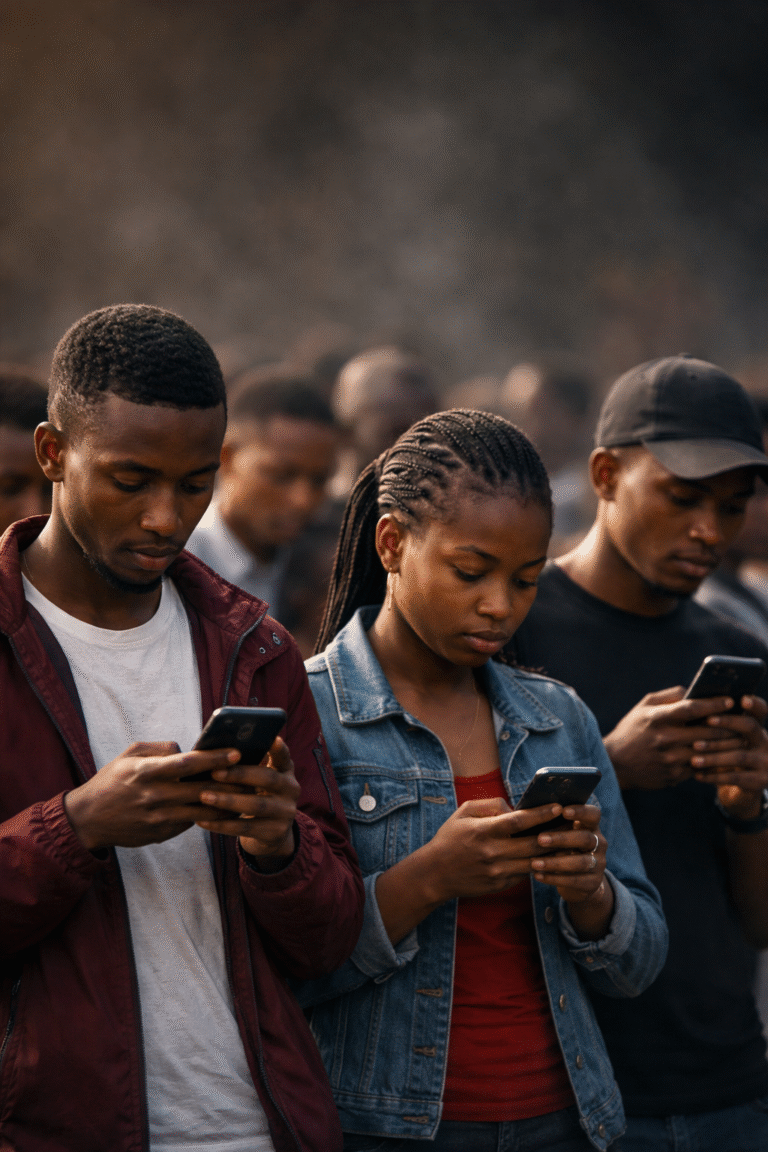
Times seem to be changing as currently, many rural towns are connected to power and internet access is no longer reserved for the cities. In fact, the spread of affordable smartphones and mobile data has made it possible to work and build businesses from almost anywhere in the world. A young professional in Kisii or Kitale can now log into the same Zoom meeting as someone in Nairobi or London.
The beauty of it all is that remote jobs in tech, finance or digital marketing can now be done from a quiet homestead surrounded by green fields. This is in some way revolutionalising agriculture as we know it. Innovation is transforming the game, as there is now an availability of mobile apps that track weather patterns and platforms that connect farmers directly to markets.
The truth is that In 2025, living in the village isn’t so different from city life.
Or maybe there is a difference. Lower living costs mean fewer financial anxieties. Rent, food and even transport demand less, leaving more room to live without the constant pressure of the rat race. A sense of balance that feels more valuable than the illusion of status that comes with city life.
Perhaps the next big migration is not to the city but toward land, community and the rhythm of slower days. A future that feels less like escape and more like homecoming.