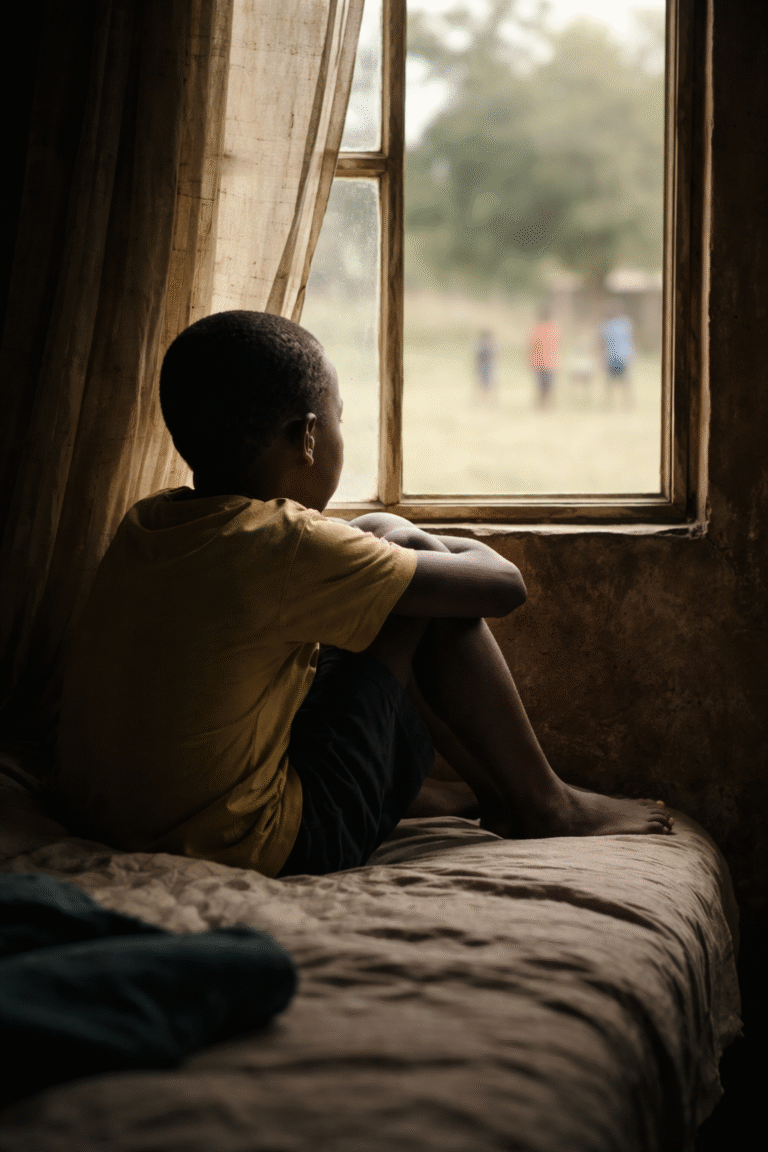
Please, do tell, how exactly is closure supposed to work?
And is it even real, or is it this…..this comforting illusion?
“You need closure,” they always say after one has been heartbroken or after experiencing a loss. As if healing comes once we tie up the loose ends and move forward untouched. As if, once you get this elusive closure, you will shut that chapter and be able to move on with your life smoothly like none of it all ever happened. People behave like closure is this door you can open and close at will. And that once you close it, all will be well and wounds will automatically heal themselves. We behave as if the ache will automatically disappear and the fire will be put out the way you pour water on a live coal and it immediately stops burning.
I remember when I was younger and didn’t know any better. Almost begging a guy I had been seeing for close to six years to “give me closure” after we broke up. Ohh to be young and naive. Closure, I have come to learn, is not given. It is not begged for. Neither is it a favour one bestows on you. Imagine if I had met with him for that closure. Imagine now, him giving me reasons why we were breaking up. It is after all, what I wanted to hear, right? But imagine if his reasons were shitty or just something he made up to make me stay away. And the words ended up being deeply harmful. Please, pray, where is the closure in that? Would I have left that meeting ready to move on and forget everything?
Closure, I have come to find, is a myth, a dismissal of the depth of one’s “loss.”
Grief lingers. It shifts and it softens and sometimes, it flares up unexpectedly. Grief becomes part of who we are. And closure……closure is a myth we cling to because uncertainty feels too heavy to bear.
The word “closure” can be traced to psychology in the mid-20th century, when therapists began using it to describe the sense of resolution people sought after traumatic experiences. Mainstream culture ran with it, carried by self-help books and popular talk shows. Think of courtroom proceedings where victims’ families are promised to find closure after a verdict.
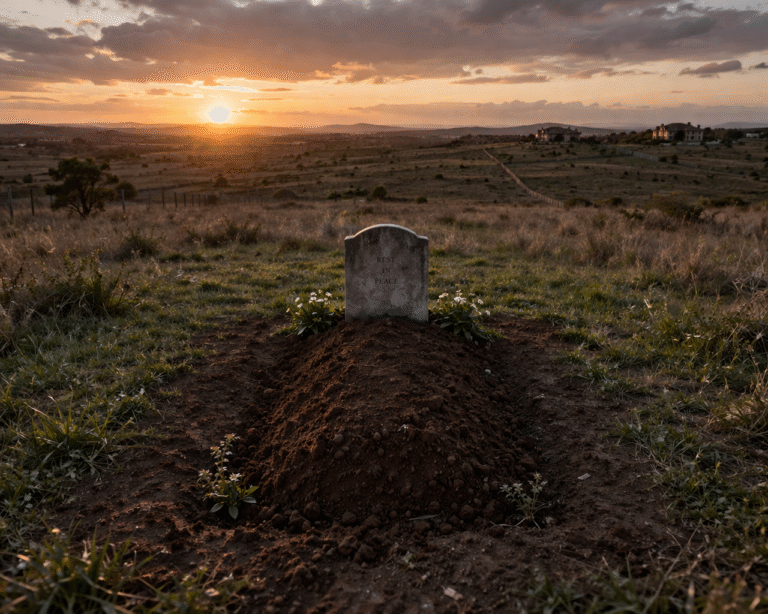
And then of course, movies. Popular media reinforced the idea that closure was both necessary and attainable. How many times have we watched a grieving character finding peace after one cathartic moment? Perhaps, after visiting a grave or reading a final letter, or witnessing justice being served. What a beautiful lie the movies keep feeding us, shaping our expectations and suggesting that grief can and should reach a tidy conclusion.
But in real life grief does not end with a single gesture or event. And the persistence of the closure narrative has actually left many wondering if their inability to get over it means they are grieving the wrong way.
I find the idea that grief is something that has an end to be misleading because grief tends to change form over time. It keeps evolving. Anything can be a trigger, with birthdays or a familiar song bringing up feelings you thought were dead. Heck, even the way the rain falls on a certain day can stir up memories, reminding us that love and therefore grief, never truly disappears. Psychologists describe this as the continuing bonds approach. In the continuing bonds approach, we never cut ties with our “loss”. Even if it is the deceased, we remain connected in meaningful ways, carrying both the ache of absence and the warmth of remembrance.
Africans have been practising the continuing bonds theory for centuries. It has always been part of our culture, long before psychology gave it a name. Ancestors are honored in rituals and spoken to in prayer. They are remembered in stories and even invoked in blessings for children. We always believe our ancestors are in our midst. Even in urban settings, amongst people who never saw a day in the village, beers and other beverages are poured on the floor to honour ancestors before taking the first sip. The departed are not “gone” in the Western sense; they remain part of the community, watching, guiding and living on through those they left behind.
In most parts of Africa, to grieve is not to seek closure, but to nurture an ongoing relationship with memory and spirit.
Meanwhile in the Western world closure, by contrast, is rooted in a desire for resolution, where healing is often portrayed as reaching a final stage, a moment of acceptance that neatly seals grief away. I find that this linear narrative clashes with the lived reality of most mourners, who eventually realise that grief does not fit into tidy timelines.
The problem with closure is that not only is it unrealistic, it can also be harmful. This pressure to “move on,” creates guilt when memories surface years later (and surface they will.) In societies where closure is glorified, those who continue to feel the weight of loss may be treated as if they are failing at healing.
It becomes even worse if you are grieving a heartbreak and not a death.
A Healthier Perspective
If closure is a myth, what does a healthier path through grief look like?
It begins with acceptance. Acceptance of grief as a lifelong companion. Do not try to banish it, instead learn to live alongside it, allowing space for sorrow and joy to coexist.
I, for one, have always embraced continuing bonds. I always visit my late father’s grave, almost twenty years since he passed on. I talk to him and cry to him and keep tabs with him, telling him of any significant occurrences in my life. I have always believed he somehow listens, and the amount of peace I usually feel after such visits cannot be traded for anything. Some people might find this controversial, but it is after all a short life with no manual and we all have to do what we need to do to keep sane.
In the continuing bonds, you could keep a photograph close, or tell stories about a loved one so that their name is never forgotten. In many traditions, especially across Africa, remembering the dead is not a sign of being stuck, but a way of keeping love active in daily life. At the end of the day, healing is not about forgetting. It is about carrying memory with dignity, allowing love to continue shaping us even after death. And cutting someone off in the name of closure is quite dangerous in my opinion. I understand some breakups can be nasty, violent even. Well, those could be an exception. But, treating someone you once loved as dead just because you broke up does not erase the feelings in your heart.
The promise of closure may sound comforting. The problem is we put so much expectation on closure. It is not a problem solver and it definitely will not erase the feelings of belonging, desire and whatever else usually goes on after a loss. The concept of closure misrepresents the reality of grief. Loss reshapes us. It is a never ending cycle. The myth of closure asks us to tidy away our pain, but in doing so, it denies the enduring power of love and memory.
What Africans have always understood that psychology is only now beginning to affirm, is that grief is not a problem to be solved but a relationship to be tended. Why should we sever ties with the dead? Isn’t a better way of trying to heal instead, finding ways of carrying them forward with us?
And suddenly stopping to love someone can be the worst pain ever experienced.
Release the expectation of closure today, and do as your heart desires. Do not be scared to make room for a lifelong journey of remembrance and love that outlasts even death.