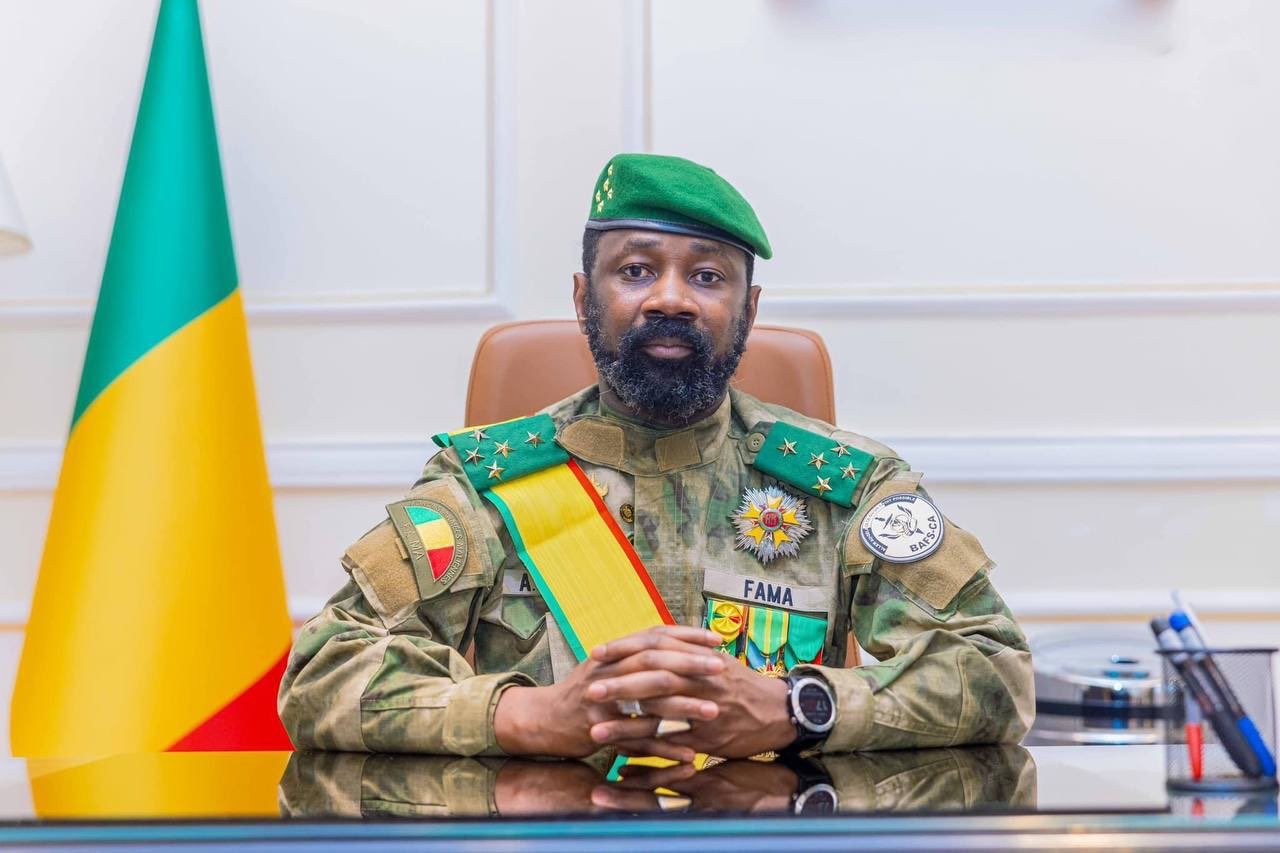
Mali, beautiful melanin filled Mali, just showed the world that sovereignty isn’t negotiable. In what can only be described as a diplomatic checkmate, Bamako reminded Washington that respect goes both ways.
The United States recently announced higher visa fees for some African nations and Mali was one of them. In what I would love to refer to as a power move, Mali simply matched the energy. They did not rant or make press conferences to talk about the issue. They did not – as expected of most African nations – try to bargain or beg or negotiate. They simply retaliated and stated Americans applying for visas to Mali would pay the same amount.
Within weeks, Washington quietly retracted its decision.
Reciprocity is a language the West rarely expects Africa to speak. And this time, Mali spoke it fluently. What pleases my heart is how there was no bureaucratic back and forth. A master class in self respect and national pride, if you may. With how swift America responded by quietly removing Mali from that list, one can’t help but ask if maybe there is something America needs from Mali after all? Or perhaps that more Americans travel to Mali than vice versa? Either way, I hope the rest of African leaders have now seen that this continent is not as powerless as it’s often made to seem.
And that for every policy imposed against African nations, there’s room to respond in kind. That reciprocity is about equality – nothing more, nothing less.
The Power of Reciprocity in Diplomacy
Reciprocity is not a new concept when it comes to diplomacy. If anything it is one of the oldest principles in international relations. It is the idea that nations should treat each other equally. So why then, have Western powers been wielding it selectively and assuming that African countries would comply without question? Banking on it, actually. Mali, by mirroring America’s visa fees, reminded the world that diplomacy is a two way street. It reminded the rest of the world that for true partnership to exist there has to be mutual respect and Africa has every right to assert the same terms it’s subjected to.
The visa paradox is glaring, and has always been. Across the continent, American citizens enjoy easy access and modest visa fees. Meanwhile Africans face steep costs, long processing times and high rejection rates. There was a time that Africans even went ahead to suggest the application fees be returned – even by half – to those whose applications were rejected. The imbalance is obvious for all to see. Many African nations pride themselves on hospitality. But truly, what does kindness without reciprocity look like? I will tell you. It looks like weakness. Mali’s boldness exposed that paradox and invited others to question why African passports are treated as lesser even on their own soil.
My only regret is why Mali didn’t let in the other nations on the list to whatever they had planned, so they could do it as a block. Although on second thought and knowing our leaders, we know how that would have ended. So yes, maybe Mali did the right thing in not involving anyone else.
The story becomes even more powerful when you realise that Mali is just but a landlocked country that is often dismissed in global politics. Then you realise just how revolutionary Mali’s stance was. Not to be confused for ego or confrontation because this was about dignity. How dare they! Like they are the only ones who are needed. Like they do not travel to Mali themselves, or other African nations. By standing firm, Mali has challenged a pattern of diplomatic submission and showed the smaller nations that all they need to command respect is to act with conviction. Believe in yourself, for crying out loud.
Look at how Washington reversed its fee hike. They, just like Mali, did so without fanfare. There was no press statement or public explanation.
I am sure they hoped no one would notice hehe. Their silence spoke volumes, for a nation that is known for blowing their own trumpet and being the loudest among the loudest. At the end of the day, Africa’s future on the global stage depends on leaders who understand that respect is the real currency of diplomacy. I hope they see now that sovereignty isn’t something to beg for. You have to take your place in the table, no one will give it to you freely.