I always think of September in general as suicide prevention month. It is during September that the world pauses to mark Suicide Prevention Week and World Suicide Prevention Day. It is the month of trending hashtags and awareness campaigns as the global community reaffirms its commitment to saving lives. During this period, mental health organizations lead powerful drives to break the silence around suicide.
But as the conversations rage on, one region in particular stays quiet. Africa.
Which is crazy really, because according to the World Health Organization, Africa records the highest regional suicide rate in the world. Yet Africa’s struggles and solutions rarely find a place in the global narrative.
This year, as the world rallies for Suicide Prevention Week, we must make sure that Africa is not left behind as the rest of the world has global conversations on suicide.
Suicide Prevention Week, observed this year from September 7 to 13, and World Suicide Prevention Day on September 10, are cornerstones of the global mental health calendar. On these dates, initiatives are created with the aim of raising awareness, fighting stigma and encouraging conversations that might otherwise never happen.
Around the world, the campaigns are visible and vocal. In the United States, the 988 Suicide & Crisis Lifeline dominates messaging, urging people to make contact if they are in distress. The United Kingdom has organizations like Samaritans that mobilize volunteers. In Australia, Lifeline runs nationwide campaigns to promote connection.
Globally, the urgency is undeniable. The World Health Organization (WHO) estimates that more than 700,000 people die by suicide every year. 700,000 means that in every 40 seconds, we are losing someone to suicide. A grim figure by all means. And this does not even include the millions more who attempt suicide or grapple with suicidal thoughts. Which is why these annual campaigns are welcome because they bring with them an opportunity to spotlight national helplines, roll out new policies and mobilize funding.
Sadly while the international highlights gain momentum, these global campaigns that spotlight the same regions and the same success stories, often leave out Africa even though it is usually the hardest hit.
Africa’s Unique Reality
The World Health Organization reports that Africa has the highest regional suicide rate globally, estimated at 11 deaths per 100,000 people. A high number by all means, but one that would probably be higher considering most African countries lack comprehensive reporting systems. In some African countries, suicides go unrecorded or buried in shame. A huge number might also be misclassified.
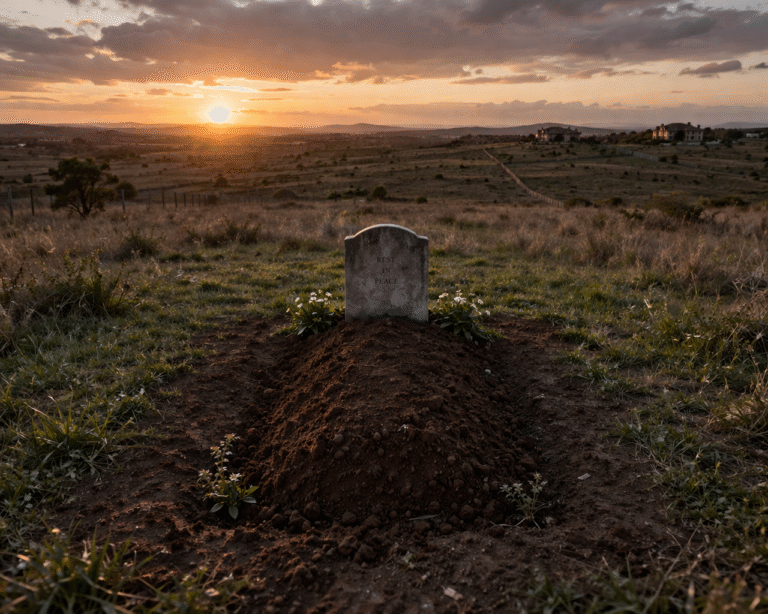
This silence raises eyebrows, because why would anyone be quiet about an issue that affects millions of people? To understand this, you have first to understand that this is a continent that heavily stigmatises suicide. Some countries have even criminalized it, meaning that an attempt can lead to the victim being arrested. Due to the stigma, most families would avoid reporting a suicide out of fear of community judgment. Some traditions even go as far as denying proper burial rites to the person that died by suicide.
The state of mental health care does not make things any easier. Africa faces an acute shortage of resources. To put it into perspective, there are fewer than two mental health workers per 100,000 people, compared to over 70 in high-income countries. It looks like Psychiatrists have been concentrated in urban centers and left rural populations to look after themselves. And as if that’s not enough, statistics show that mental health budgets in many African countries account for less than 1% of national health spending.
And therein lies the paradox: that Africa, a continent that bears the world’s highest burden of suicide, has some of the weakest systems to prevent it. This is mostly because there is a lack of reliable data, adequate care and open dialogue.
The Disconnect
From a bystander’s point of view when they do not look too keenly, global suicide prevention campaigns appear to be universal. Slogans like “You are not alone” or “It’s okay to not be okay” are printed on posters and shared across social media. Sometimes even translated into dozens of languages.
But is this the lived reality for most of Africa?
For a young person in rural Uganda or a farmer in northern Nigeria, a polished awareness toolkit from New York or London may not resonate. While the messaging might be coming from a good place, it often assumes easy access to helplines, therapists and emergency services. Resources, as we all know, that are almost non-existent across much of the continent.
And then we have the issue of cultural differences. While global campaigns often frame suicide through a Western lens of individual struggle and therapy-based solutions, in many African societies suffering is understood through collective or spiritual (supernatural even) frameworks. A campaign that urges someone to talk to a counselor forgets that in many African settings, the pastor, imam and sometimes elder may be the first point of contact.
I am afraid that all these factors combined – lack of local suicide prevention infrastructure and global campaigns that fail to adapt to its realities – risk Africa becoming an afterthought in a global movement that claims to be inclusive.
Why Africa Must Be Included
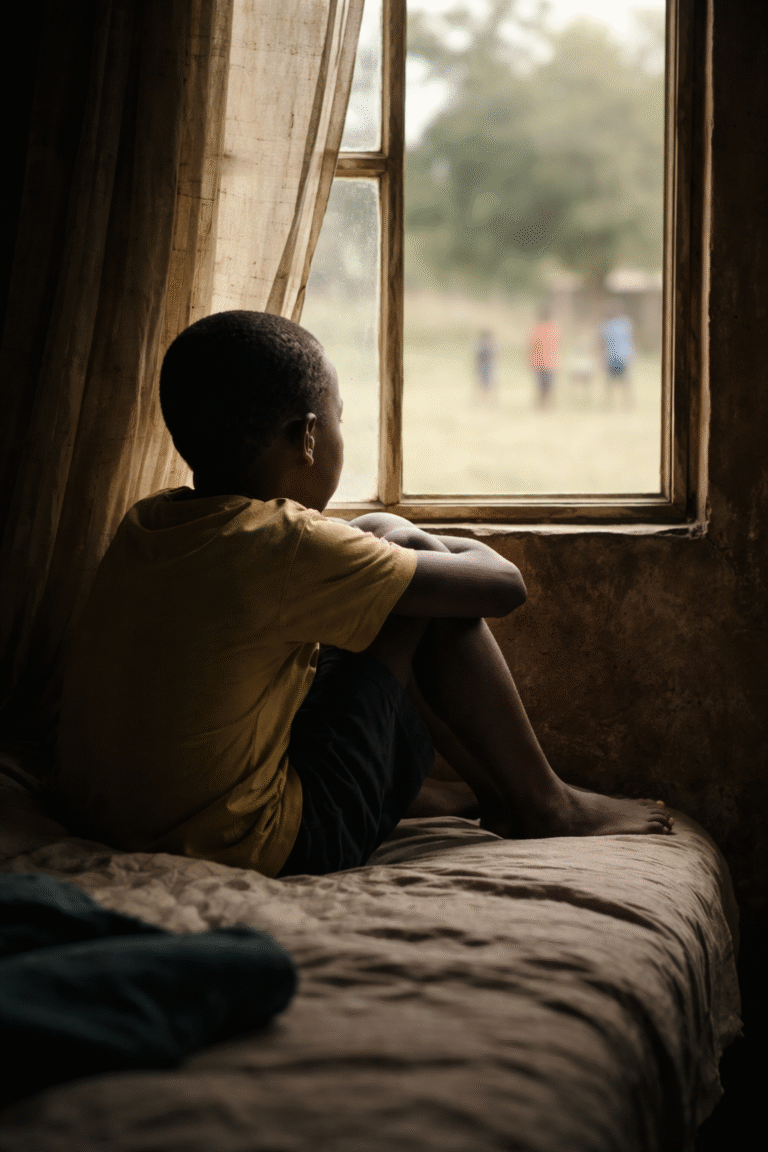
The case for Africa’s inclusion in the global suicide prevention conversation should be treated with urgency. It is important to note that 60% of Africa’s population is under the age of 25, fondly known as the youngest continent due to having the world’s youngest demographic. This youth bulge can be both a blessing and a “curse”. It is both Africa’s greatest asset and its greatest vulnerability. Young people are at risk of suicide, especially when mental health systems are weak, stigma is strong and economic pressures run at an all time high.
To ignore Africa is to ignore a generation standing at a crossroads. Failure to prevent these cases means a student who never graduates or a parent who never returns home. Every loss is a dream that never unfolds.
Moreover, Africa brings unique cultural strengths to suicide prevention. Here, we have deep community networks and spiritual traditions. In Africa, we are each other’s keepers, something that I hope never gets taken from us. If these assets are recognized and integrated, prevention as we know it could very much be transformed.
But – and this we all agree upon – this can only happen if Africa is not treated as an afterthought.
A truly global suicide prevention movement must reflect the voices and realities of all regions. Until Africa is fully seen and heard, the global conversation will remain incomplete.
Conclusion
As the world observes Suicide Prevention Week and World Suicide Prevention Day this coming September, the spotlight must widen to the interiormost rural area. Awareness campaigns in New York, London or Sydney cannot claim universality while Africa’s crisis remains muted in the background.
This is where the African Union , NGO’s and other like minded organisations must come in and hopefully, work together towards a common goal.
If suicide is a global challenge, then the solutions must be shaped not only by the data and experiences of the West, but also by the urgent realities of Africa. The silence must end.