
From Bean to Brew: How Kenya’s Coffee Reforms Are Reshaping the Industry
When the Coffee Dried Up
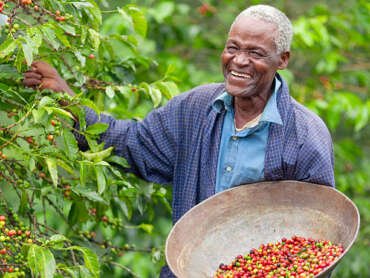
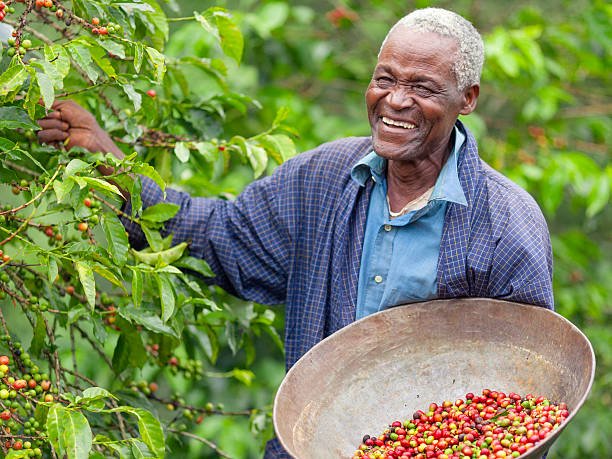
Years ago, Kenya’s coffee sector was the pride of the nation, a globally acclaimed producer of some of the world’s finest Arabica beans. From the lush highlands of Nyeri to the volcanic soils of Kisii, coffee farms were an active pride of joy and a source of income to many. The crop was more than just a livelihood – it was a legacy. Fondly referred to as the “black gold”, this crop was a passport to education for children, a reliable income for families and a contributor to Kenya’s foreign exchange reserves.
But then, the rot set in.
A mix of poor pricing, rampant mismanagement, corruption in cooperative societies and delayed payments began to corrode the trust farmers had in the system. The Nairobi Coffee Exchange, once the engine of trade, became synonymous with murky dealings and middlemen who pocketed the lion’s share of profits. Hapo kwa middlemen and brokers is actually where the rain started beating us as a country in regards to the black gold.
One morning, farmers woke up disillusioned and fed up and decided to take drastic measures.
I vividly remember many years back when I was still a young child seeing my grandfather clearing his huge coffee plantation in rage. It was no longer something he found pride in, rather, it had become a bottomless pit that kept wanting attention but gave back almost nothing in return. A sentiment that was shared by many other farmers nationwide.
In central Kenya, as with many other areas like kisii, entire hillsides that once bore the fragrant white blossoms of coffee were stripped bare. Coffee trees were uprooted en masse and replaced with avocados, macadamia, or even napier grass. Coffee plantations were now being replaced with rentals and what have you. “We gave up,” many farmers said. “It made more sense to plant maize than wait months for a payment that might never come.”
Coffee production dropped from a peak of over 130,000 metric tonnes in the 1980s to less than half that in recent years. The country’s image as a top-tier coffee exporter began to fade, even as demand for Kenyan beans remained high in global markets.
The question hung in the air for years: could Kenya revive its once-mighty coffee sector?
Desperation, Laws and the Rare Blue Mountain Bean in Kisii
The crisis in Kenya’s coffee sector became so severe that the government had to step in not with subsidies or incentives, but with a warning. In an unprecedented move, a regulation was introduced prohibiting farmers from uprooting their coffee trees, a reaction to the sweeping disillusionment that had gripped the country.
But who would blame the farmers really? Why did they have to toil in the sun so hard, only for a few to benefit at their expense? For a crop whose end product retails at almost ksh 2,000 for 500g (and much more internationally), why were farmers being paid a meagre ksh 14! Per kg for dried beans? Years of underpayment, delayed earnings and predatory middlemen were finally catching up with the industry that was once considered a giant, amongst the top 3 exporters. In Nyeri, Murang’a, Embu and other traditional coffee belts, tree-cutting became a silent protest, with farmers bitterly saying that they’d rather grow napier grass or build rental houses than keep waiting for a payment that never came.
But while the heartland of coffee was bleeding, something quietly revolutionary was happening in western Kenya.
In the highlands of Kisii, a rare and globally coveted coffee variety was being nurtured – Blue Mountain.
Originally from Jamaica and known for its low acidity, silky body and mild, sweet flavor, the Blue Mountain variety is ranked among the most premium coffees in the world. It is also in the category of most rare coffees and is highly sought after in Japan, Europe and by specialty roasters globally. While only a few regions on Earth have the right climate and altitude to grow it successfully, Kisii’s misty hills, nutrient-rich soils and consistent rainfall have proven ideal.

Farmers in Kisii who adopted the Blue Mountain species without much fanfare or external support now find themselves at the heart of what could be Kenya’s next coffee miracle. Unlike the traditional SL28 and SL34 varieties found in central Kenya, Blue Mountain commands premium prices and offers a rare opportunity for Kenyan farmers to re-enter the global gourmet coffee conversation. The question is, do the poor farmers understand that what they have in their farm is worth way more than they could ever imagine? Black gold? More like black diamond.
Brewing Reform; The Ksh 100 Promise and a New Dawn
After years of silence and suffering, the Kenyan government finally responded with a bold promise: coffee farmers would now earn a guaranteed minimum of Ksh 100 per kilogram of cherry delivered. For many farmers, this sounded almost too good to be true. It was a stark contrast to the meager Ksh 20–40 per kilo they had grown used to which, to make matters worse, they often received months late (if at all).
Under the banner of #KenyaCoffeeReforms, the state rolled out a raft of sweeping changes aimed at dismantling the exploitative systems that had long plagued the sector. Middlemen and cartels are – if the news are anything to go by – going to be cut out of the value chain. Cooperative societies have been ordered to clean house and the Nairobi Coffee Exchange is under pressure to become more transparent and farmer-centric. Good news to those of us who know how much these tiny beans mean to our parents farming them but the question is, will all these be implemented, or are they simply more government PR tactics as per business as usual? One can only hope.
Key components of the reform package included:
- Debt Waivers: The government has offered relief to many farmers that had taken loans with the hope of repaying once the coffee payments were made – payments that never materialised. It has agreed to wipe billions in farmer debt to give them a clean slate.
- Streamlined Licensing and Sales: To reduce bureaucracy and corruption, licensing for millers and marketers was restructured. Farmers could now engage directly with buyers or millers they trust and the government introduced oversight to protect against price manipulation.
- Revitalizing Cooperatives: Cooperatives that had become breeding grounds for theft and mismanagement were either audited or dissolved. New management structures with strict oversight are being introduced, aiming to restore integrity and transparency.
- Coffee Cherry Advance Revolving Fund: This fund ensured that farmers would receive immediate payment upon delivery of their cherries, with the state bridging the gap until auction sales were finalized.
- Global Marketing and Branding: For the first time in years, Kenya began investing seriously in branding its coffee abroad while emphasizing its unique flavor profiles, traceability and regional identities such as Kisii’s Blue Mountain or Nyeri’s fruity notes.
But perhaps most powerful of all was hope. The Ksh 100 per kilo promise may not fix everything overnight but it sent a clear message that Kenyan coffee farmers matter again.
And could it be that finally the government plus the global market are finally listening?
Smiling All the Way to the Bank – Except For My Mum
The reforms may have been announced in press briefings and policy papers but for many farmers, the reality of change hit in the most unexpected albeit joyful way: their bank accounts.
Just the other day, I was on a call with my mum, talking about this and that; you know, whatever first born daughters usually talk about on the phone with their mothers, when she mentioned with a mix of humor and mild irritation that my aunt, a long-time coffee farmer, was “laughing all the way to the bank this month.” Apparently, her coffee earnings had landed and for the first time in years, they actually made sense. At Ksh 100 per kilogram, my aunt’s payout was more than double what she had received in previous seasons. Then came the punchline.
My mum hadn’t taken her coffee to the factory last month.
Whether it was bad timing or simply her being her usual skeptical self, she missed out. And oh, how she kicked herself. “Si I thought it was another government promise with no action,” she confessed, clearly amused but also plotting her next move for the current harvest. I teased her, “That’s what you get for not checking your farmer WhatsApp group!” (which is valid as my mother still prefers her katululu to the smartphone my sister bought her years ago)
In truth, many farmers were caught by surprise. The increase came so suddenly, without the usual noise and broken promises, that most didn’t believe it until it actually happened. Farmers who had delivered cherries in the previous month’s harvest woke up to unexpected payouts; some so high that people (like my aunt) thought it was a banking error. Others (like my dear mum), sat watching their neighbors celebrate as they quietly vowed never to miss another season.
Could this be the que that most young people need to get back to farming, in a nation grappling with high unemployment levels? For years, coffee farming (and just farming in general) was something many youths avoided, often seen as hard labor with no reward. Hopefully we can have a youth that is digitizing cooperative records, launching traceable coffee brands or returning to the farm with marketing degrees and social media accounts ready to rebrand Kenyan coffee from bush to cup.
For the first time in a long time, coffee smells like possibility (pun intended)
In conclusion, Kenya’s coffee sector may finally be waking up from a decades-long slumber, but the dream isn’t guaranteed to last. Hopefully, as with everything else in this country (read Africa) Coffee as Kenya’s Comeback Story would be revolutionary – If We Don’t Mess It Up.
Yes, the reforms are promising and the farmers are smiling (some all the way to the bank), but the hard work is just beginning.
For Kenya to truly reclaim its position among the world’s coffee giants, we must go beyond price guarantees and debt waivers. We must invest in sustainable farming practices, climate resilience, quality control and value addition. Instead of exporting raw beans, we should be building local roasting hubs, barista schools and international café brands that proudly fly the Kenyan flag.
Countries like Colombia and Ethiopia have already shown what’s possible when a nation believes in its bean. Their coffee is a culture, a source of national pride and a billion-dollar export machine – as opposed to it being viewed as just a bean (no pun intended). Kenya has the altitude, soil, talent and now – we can only hope – the political will. The rest is up to us.
But as we all know by now, Cartels don’t go down quietly. Some cooperative societies remain riddled with corruption and Youth interest is still shaky, especially in urban areas where tech jobs seem more glamorous than weeding a hillside. And let’s not even get started on how climate change is inching into our highlands (story for another day, but a story that must be addressed nonetheless).
Listen, if aunties in Kisii can grow Blue Mountain that competes with Jamaica, and smallholder farmers in Nyeri can now earn Ksh 114 per kg, and if even my mum is plotting her return to the factory floor after one missed payday, then maybe, just maybe, Kenya’s coffee comeback isn’t just hype.
It’s the start of a new brew.