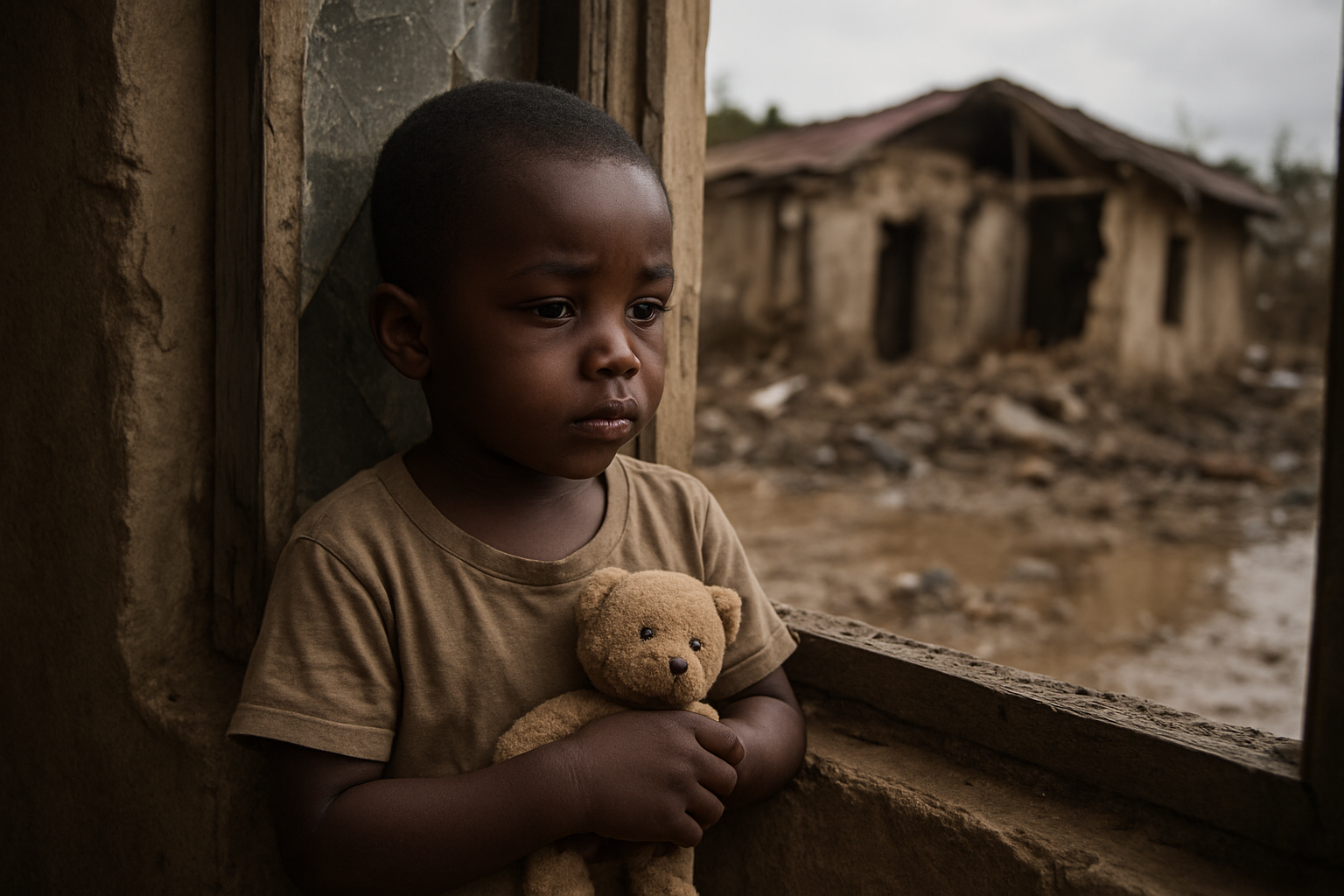
Did you know that In 2023, more than 30 million people were displaced by conflict and climate-related disasters in Africa? International aid, as expected, rushed in to provide tangible basics like food, shelter and medicine. But where was the much needed attention given to the psychological toll? According to studies, people affected by crises have a higher likelihood of developing mental health conditions like depression and post-traumatic stress disorder (PTSD).
Yet most African countries do not provide mental health services as part of their disaster response plans.
Take for instance, immediately after a drought wipes out crops in a certain part of Kenya. The story is often told in numbers. It is always, how many livestock died? Or, how many people need food aid? And when a cyclone hits Mozambique, the reports almost always focus on houses destroyed and infrastructure damaged.
But what about the psychological cost?
Disasters erode the very sense of safety and stability people depend on. Survivors of floods will find themselves living with recurring nightmares of rushing waters while farmers who lose their land to drought may find themselves sliding into depression.
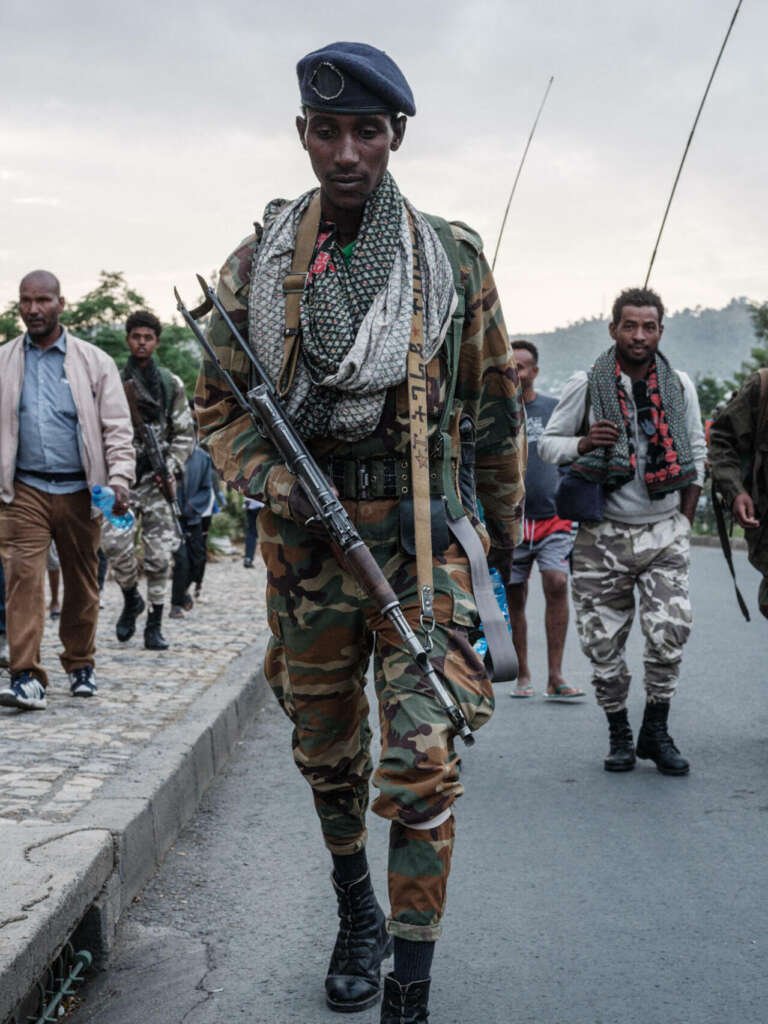
Likewise, families uprooted by conflict walk around with layers of trauma, where children become startled by the sound of gunfire and parents feel powerless to protect them.
A good example of this is the story of baby James. In January 2025, Kenya was shaken by the story of a three-year-old who watched his father, a construction worker, get stabbed to death by thugs in Mathare 4A. The man was taking his child to school, and the attack happened in broad daylight. The most painful part was how James processed the event. In the days that followed, he was heard repeating the words, babangu alidungwa na kisu akakufa. (My father was stabbed with a knife and died.)
I was among the people that followed the story keenly, always refreshing former Nairobi governor Mike Sonko, tiktok page for updates of the boy. (he had adopted the young boy.) after sonko took him and promised to provide him with therapy, education and a stable home. Almost all of Kenya heaved a sigh of relief.
But then we noticed all was not well. Even as the former governor and his family surrounded the boy with love and showered him with expensive toys and meals, the boy still kept repeating that line. Regardless of what topic the people brought up to distract him, 30 minutes would not pass before he said, “babangu alidungwa na kisu akakufa.” Clearly, this was trauma manifesting in the only language he knew.
The truth is, for every child like James who receives high-profile help, there are countless others carrying invisible wounds without access to care. In Africa (most parts, anyway), mental health support for children who witness violence simply does not exist.
Baby James’s story is unusual because someone with resources stepped in to help. For most children and adults who witness violence or natural disasters in Africa, professional mental health is non-existent.
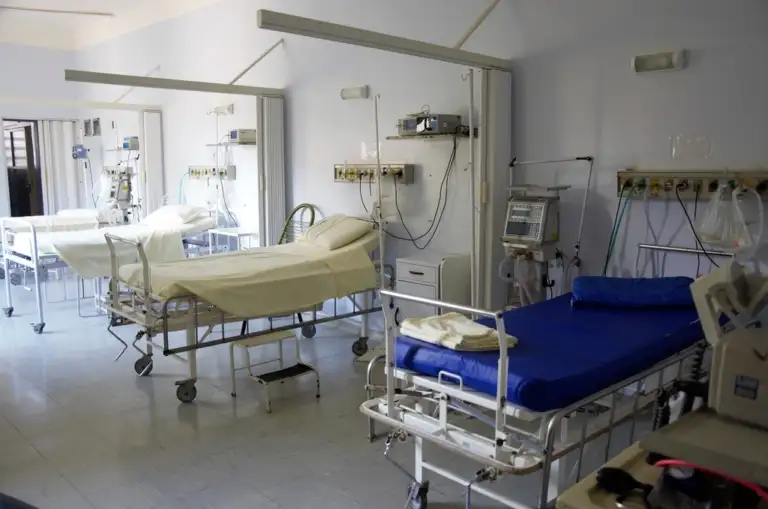
The craziest part is that this is the continent that is estimated to have only one psychiatrist for every 500,000 people (compared to the global average of 1 for every 20,000) with some countries even having a worse ratio. With such figures, rest assured that in the aftermath of natural disasters or conflicts, psychological support is rarely included in emergency response plans.
During such times, victims are at least guaranteed of food, water and medicine from aid workers, but almost never therapists or counselors.
But the question is, what are African governments doing? Why are they never prepared? Some of these phenomena like flooding are always foreseen weeks if not months before. And even if not, where is the allocation for emergencies? Where is the allocation for trauma response? According to the WHO, African governments allocate less than 1% of their health budgets to mental health. Not surprisingly, a huge part of that 1% goes to maintaining psychiatric hospitals in capital cities that are far from disaster zones or refugee camps.
Your guess is as good as mine on what happens when trauma is left untreated, quietly festering in individuals and communities.
But it is also about perception, where mental health is seen as secondary to physical survival and victims subconsciously urged to get over it. We forget that untreated psychological wounds can manifest in long-term depression, substance abuse or cycles of violence.
Trauma never really goes away, and most probably the ripple effect will be felt decades later through generations, long after the event itself.
Community Coping
In the absence of formal mental health services, many African communities have no option but to turn to each other. Africa has always been a highly communal society, and that in itself is its superpower.
It is Families and neighbors, and sometimes local leaders that will step in to provide comfort and continuity when disasters strike. A grandmother’s stories (like in my case, after my dad died and my grandma”s stories by the fireplace kept me going), a church congregation’s prayers or a village council’s mediation can help survivors feel less alone in their grief.
Not to forget the cultures that practise traditional healing practices. For example some cultures hold ceremonies to “cleanse” survivors of trauma after violence or calamity. symbolically helping them release fear and rejoin the rhythm of life.
Faith-based groups, meanwhile, provide spiritual explanations and collective rituals that bring comfort in the absence of professional therapy.
All these methods have been proven to work, but the truth is that community coping has its limits. Cultural stigma often discourages open discussion of mental illness, and traditional approaches do not always meet the complex psychological needs created by, say, war or climate disasters.
Looking Forward
For Africa to make progress in how it responds to its disasters, mental health must be seen as essential and not optional. Just as emergency kits include food and medicine, they should also include trained counselors. They must include safe spaces for psychological support.
For starters, governments can start by allocating a fair share of health budgets to community-based services. It is clear that the only way forward is integrating mental health into disaster preparedness plans.
Partnerships are also key. Yes, NGOs and grassroots organizations are already working in disaster zones, but they should also be trained to provide basic trauma support. Where are the grief apps and other digital tools that can help bridge the gap in areas where professionals are scarce? These would definitely help, at a time when most people are almost always online. And perhaps most importantly, survivors themselves must be given a voice. Sharing stories, like that of Baby James, helps break the silence and reminds the world that disasters wound both body and mind.
World Mental Health Day’s theme this year – “Access to Services: Mental Health in Catastrophes and Emergencies” – could not have come at a better time. It reminds us that healing communities after crises is not just about rebuilding homes or restoring livelihoods. It is also about mending what’s broken on the inside. It is about mending the invisible pain.
Giving basic needs to those in need is a welcome move, but if we fail to address the mind, recovery will always remain unfinished.