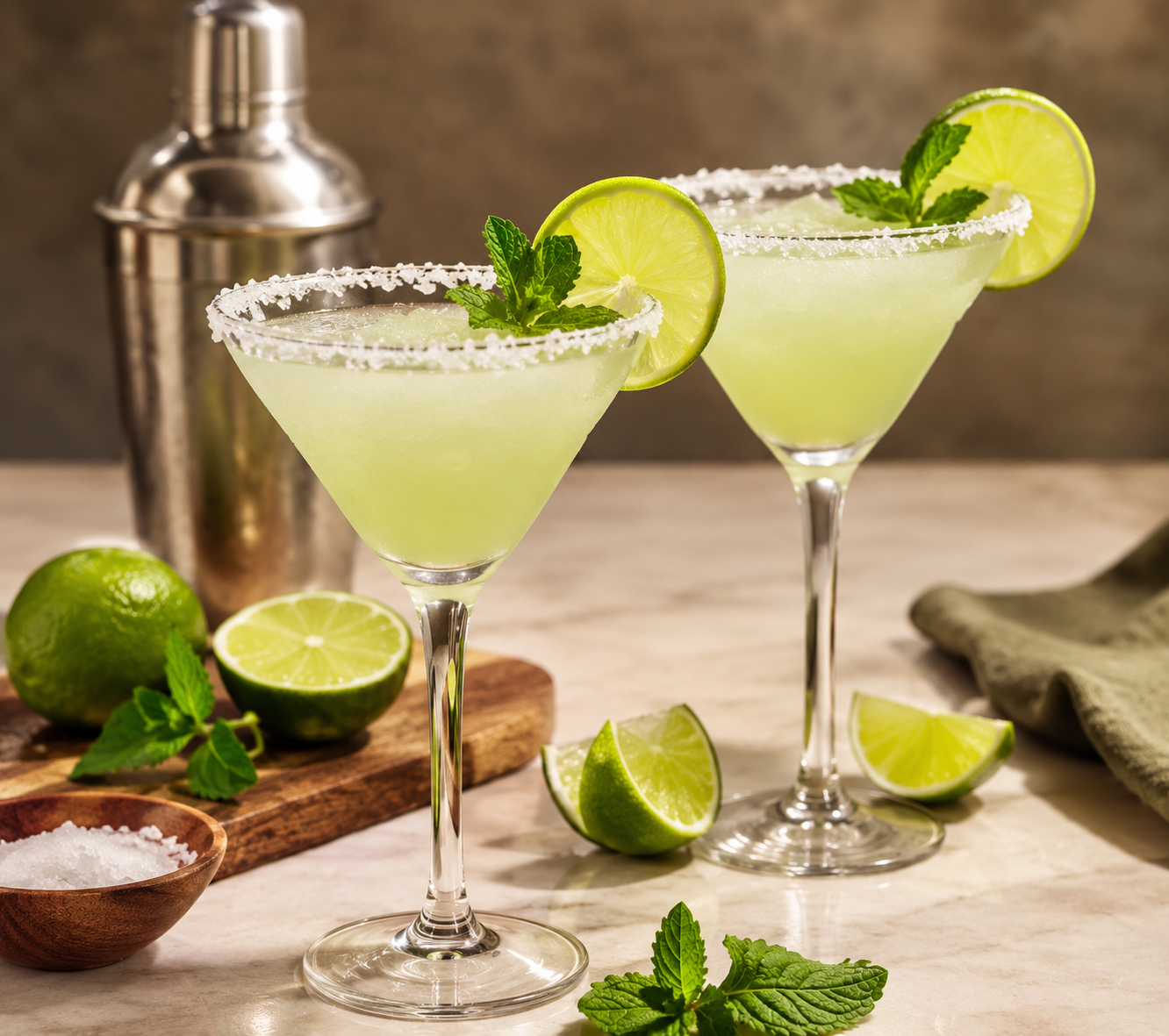
The Daiquiri is one of those cocktails that is famous around the world but surprisingly unfamiliar to many Kenyans. Ask someone to name a classic cocktail and you will probably hear Mojito, Margarita, Martini or Old Fashioned long before anyone mentions the Daiquiri. Yet this simple Cuban cocktail has been around for more than a century and remains one of the easiest, most refreshing and budget friendly drinks you can make at home.
At the end, it’s all about simplicity. I mean we do have those days where we want to go all the way out and show our bartendering skills, but most days are about elegant simplicity – and it doesnt get simpler than the daiquiri.
That makes it particularly timely for us to introduce it to Kenyan and East African cocktail lovers. Lately we have been on something of a run exploring cocktails that deserve more attention, from the honeyed and citrusy Bee’s Knees to the complex Last Word and the tropical Jungle Bird. The Daiquiri fits perfectly into that series, except that this one is considerably easier on both your shopping list and your wallet.
we have also been looking at long forgotten cocktails like The Hanky Panky, and The Aviation, cocktails that have a story to tell, just like the Daiquiri.
At its heart, a classic Daiquiri needs only three ingredients: a spirit, fresh lime juice and sugar. There are no exotic syrups, complicated garnishes or a long list of ingredients to track down. And because we are giving this version a Kenyan touch with Kenya Cane, you can make a delicious interpretation of the Cuban classic without having to spend a fortune on imported spirits.
So, if the Daiquiri has somehow escaped your cocktail radar until now, this is a good time to change that.
What Exactly Is a Daiquiri?
Before anything else, I need to make it clear that a Daiquiri is not a frozen slushy drink.
The classic Daiquiri is a simple shaken cocktail made with rum, fresh lime juice and sugar. It is usually served chilled in a cocktail glass and has a beautiful balance between sweet, tart and boozy. There is no coconut cream, no pineapple juice and, despite what some modern versions might suggest, no need for a blender. And it is that simplicity (that word again) that is actually its charm.
The original formula is often described as a 2:1:1 ratio of rum, lime juice and sugar, although modern bartenders adjust those proportions depending on the rum being used and how sweet or tart, they want the finished cocktail to be. For our Kenya Cane version, the aim is to keep things balanced rather than allowing the lime to completely overpower the spirit.
A Little History Behind the Daiquiri
The Daiquiri traces its roots to Cuba, specifically the small mining town of Daiquirí, near Santiago de Cuba. The cocktail is generally associated with the late 19th century, when American mining interests were active in the area. One of the most commonly repeated stories credits American engineer Jennings Stockton Cox with creating the drink around the time of the Spanish American War. Whether every detail of the story is perfectly accurate is difficult to establish, but the connection between the drink and Daiquirí is well documented enough to explain its unusual name.
The cocktail eventually travelled far beyond Cuba and became particularly popular in the United States – famously enjoyed by writers, travellers and other cocktail enthusiasts.
Among its best known admirers was American author Ernest Hemingway, who helped give the Daiquiri an almost legendary reputation. Hemingway even had his own variation, the Hemingway Daiquiri, also known as the Papa Doble, which was considerably less sweet and more potent than the traditional version.
But you do not need to be Hemingway, a professional bartender or a cocktail obsessive to appreciate a Daiquiri lol. All you need is lime, sugar, a good spirit and some ice.
Why Use Kenya Cane?
This is where the Daiquiri gets an interesting Kenyan twist. Traditional Daiquiris are made with rum, which makes sense given the drink’s Caribbean origins. Kenya Cane, however, is a sugarcane spirit, making it a natural candidate for an adaptation of the cocktail.
All we are doing is taking the basic architecture of the Daiquiri and giving it a distinctly Kenyan interpretation. (Plus, who are we kidding, Kc is – for a drink that affordable – surprisingly smooth.)
It also makes the cocktail relatively accessible. Rather than buying a specialized or expensive imported rum simply to experiment with a new cocktail, you can use a spirit that is already familiar to many Kenyan drinkers The result? A drink that keeps the essential character of a Daiquiri – bright lime, sweetness and a clean spirit backbone – while bringing it closer to home.
How to Make a Kenya Cane Daiquiri
The beauty of this cocktail is that you don’t need a fully stocked home bar.
Ingredients
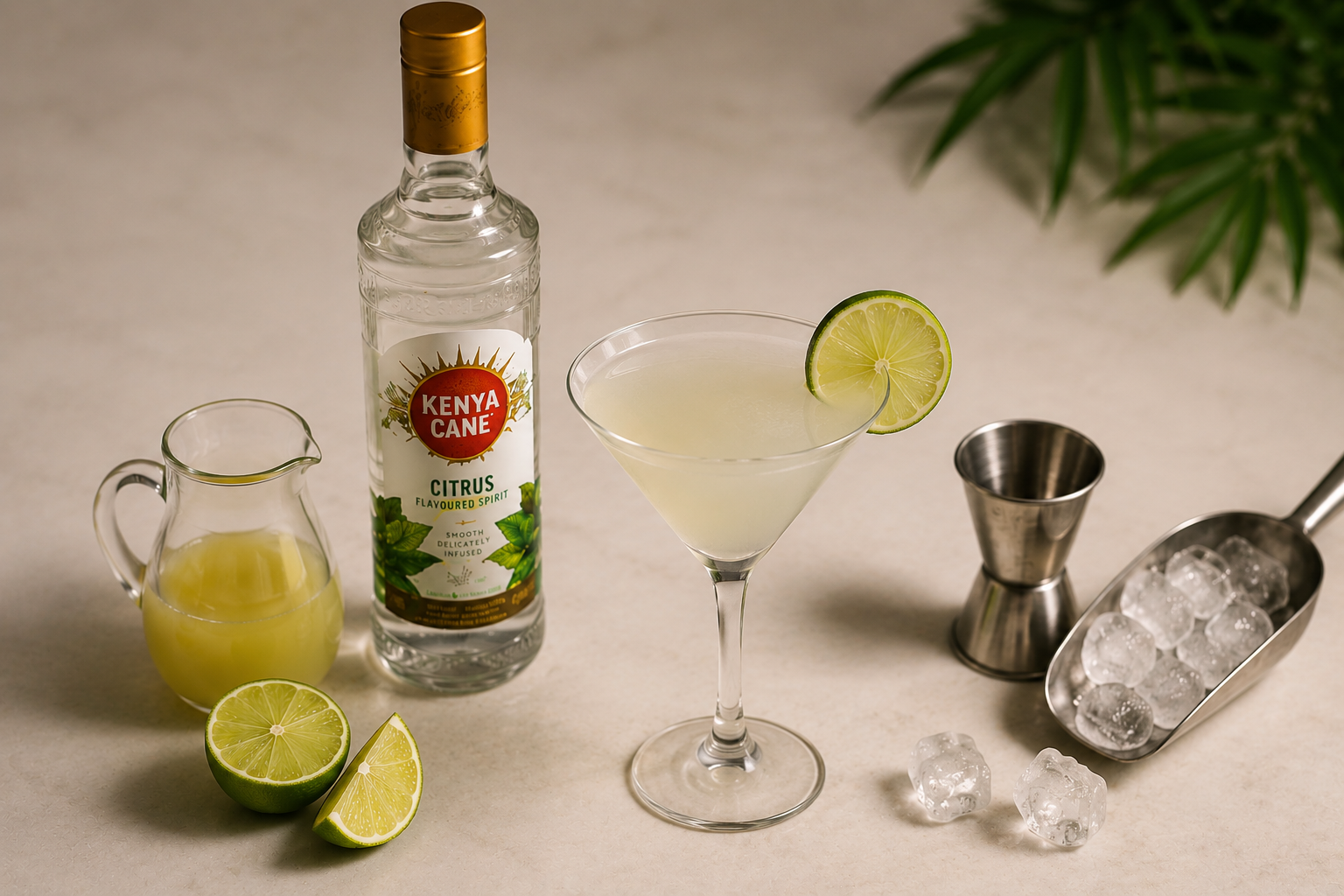
Refreshing Daiquiri cocktails made with Kenya Cane, fresh lime and sugar, served chilled with lime.- 60 ml Kenya Cane
- 30 ml fresh lime juice
- 20 ml simple syrup
- Ice
- Lime wheel or twist, for garnish
Method
Add the Kenya Cane, fresh lime juice and simple syrup to a cocktail shaker filled with ice. Shake vigorously for about 10–15 seconds. This isn’t the time for a gentle stir; you want the drink properly chilled and slightly diluted by the ice.
Strain into a chilled cocktail glass.
Garnish with a thin lime wheel or a small lime twist and serve immediately. That simple.
Three main ingredients, some ice and a few minutes are all it takes to put together a cocktail that looks considerably more complicated than it actually is.
As for the taste, a good Daiquiri should be bright, crisp and balanced. The lime provides the sharp citrus acidity, the sugar softens that acidity, while the spirit gives the drink its warmth and backbone. None of the three should completely dominate.
If your Daiquiri tastes aggressively sour, add a little more syrup. If it tastes overly sweet, increase the lime slightly. And if the spirit disappears completely beneath the citrus and sugar, you may need to reduce the lime or syrup.
A Budget Friendly Cocktail for Kenyan Home Bars
One of the reasons the Daiquiri deserves more attention in Kenya is how little you actually need to make one. There are no special liqueurs to buy, no complicated bitters collection required and no obscure ingredients that will sit forgotten at the back of your cupboard.
If you already have Kenya Cane, fresh limes, sugar and ice, you’re practically there. You can also make your own simple syrup by combining equal parts sugar and water and gently heating the mixture until the sugar dissolves. Let it cool before using it in your cocktail.
The Daiquiri may not yet have the same recognition among Kenyan drinkers as the Mojito or Margarita, but that is precisely what makes it worth discovering. It is simple enough for a beginner, inexpensive enough for a casual weekend drink and sophisticated enough to serve when you want to impress your guests.
Hands Up If You Thought KC Was Vodka?
Random fun fact; how many of you think the Kc is a vodka? The confusion makes sense because Kenya Cane is a clear spirit, so visually, it can look a lot like vodka. But it is made from sugarcane, whereas vodka is typically made from grains, potatoes or other agricultural sources. The traditional Daiquiri is made with rum, fresh lime juice and sugar, which makes Kenya Cane a natural choice for this Kenyan take on the Cuban classic. Made from sugarcane and familiar to many Kenyan drinkers, Kenya Cane brings a distinctly East African touch to a cocktail with Cuban roots.