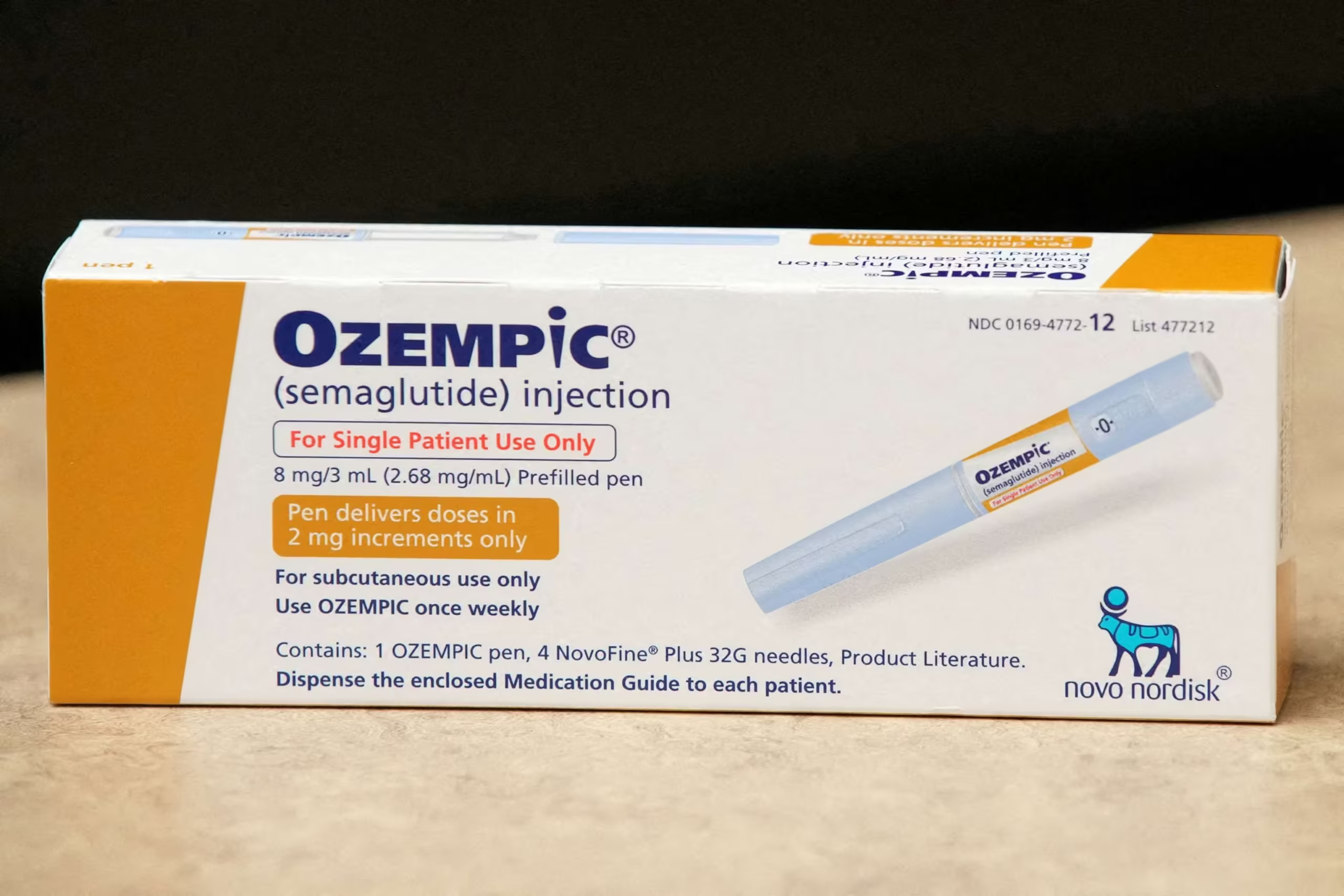
For years, the image of the modern weight loss drug has been a small injection pen. Ozempic helped make that image almost impossible to miss. What began as a medicine for type 2 diabetes became one of the most talked about drugs in the world as millions of people became interested in semaglutide and its ability to help with weight loss.
But the weight loss drug story is changing, and the next big development may not involve another injection at all, coming in the form of a pill.
In June 2026, the UK’s Medicines and Healthcare products Regulatory Agency (MHRA) authorized a new indication for semaglutide in tablet form under the Wegovy brand, making it the first GLP-1 tablet authorized in the UK specifically for weight loss. The U.S. FDA’s current prescribing information also includes Wegovy tablets for weight reduction and long term weight management.
That does not mean that Ozempic has suddenly become a tablet and that it is, in fact, very important to understand the difference between Ozempic, Wegovy, Rybelsus and oral semaglutide as the GLP-1 market expands.
From Ozempic injections to weight-loss pills
Ozempic contains semaglutide, a medicine belonging to a class known as GLP-1 receptor agonists.
GLP-1 medicines mimic the action of a naturally occurring hormone involved in appetite, blood sugar regulation and digestion. Among other effects, they can help people feel fuller and eat less, which can contribute to weight loss.
Ozempic is administered by injection and is approved for certain adults with type 2 diabetes. Wegovy also contains semaglutide, but it is specifically indicated for chronic weight management in eligible people with overweight or obesity.
There is also Rybelsus, an oral semaglutide medicine used for type 2 diabetes.
Now there is another development: oral Wegovy for weight management.
That distinction is important because calling the new product simply an “Ozempic pill” can create confusion as ozempic itself should not be treated as though it has simply been converted from an injection into a tablet.
Instead, the broader story is the movement of semaglutide and other GLP-1 medicines from injections into oral formulations.
Is there an Ozempic pill?
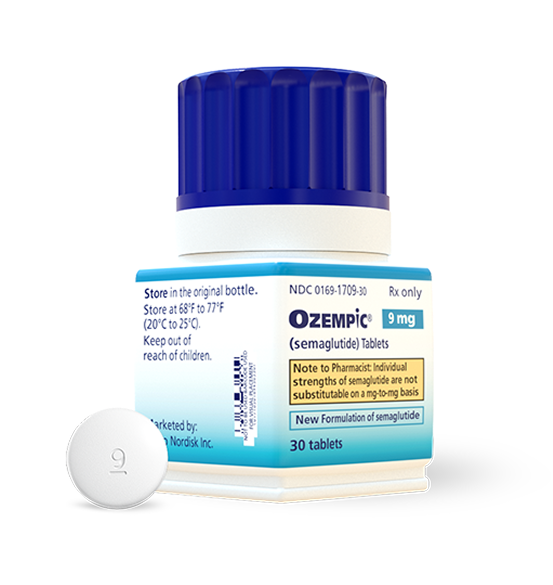
This is likely to be one of the biggest questions people ask as news of oral GLP-1 drugs spreads.
The short answer is while there are oral semaglutide medicines, that does not mean Ozempic and the new tablets are interchangeable.
Ozempic is an injectable semaglutide product and Rybelsus is an oral semaglutide product used for type 2 diabetes.
Wegovy is a semaglutide product for chronic weight management, and oral Wegovy has now been authorised in some markets.
They contain the same active ingredient in some cases, but they are different products, with different formulations, doses, routes of administration and approved uses.
That means a person should not decide to replace an Ozempic injection with a semaglutide tablet simply because both contain semaglutide. Also, the correct medicine and dose should be determined by a healthcare professional.
Why are weight-loss drugs moving from injections to pills?
One obvious reason is convenience. Not everyone likes injections.
For someone who is uncomfortable with needles, the idea of taking a tablet every day may be much more appealing than giving themselves a weekly injection.
But the pharmaceutical industry’s interest in oral GLP-1 drugs goes much further than eliminating needles.
The global popularity of injectable GLP-1 medicines has created enormous demand for treatments that can be used in different ways. A tablet could potentially make treatment more attractive to people who have avoided injections altogether, and could also change how obesity treatment is delivered as pharmaceutical companies compete to develop medicines that are easier to take and distribute.
The transition is already underway. In the UK, regulators authorized oral Wegovy for weight management in June 2026.
And semaglutide is not the only drug being developed in tablet form.
Other oral GLP-1 medicines are being investigated, meaning the future may contain several different weight-loss tablets rather than one dominant product.
Does the weight-loss pill actually work?
Would a tablet be less effective than an injection simply because it is easier to take? That is the million dollar question. However, research does not support such a simple conclusion. In the OASIS 4 clinical trial, researchers studied once daily oral semaglutide in adults with overweight or obesity who did not have diabetes.
After 64 weeks, participants taking oral semaglutide at a 25 mg dose had an estimated mean reduction in body weight of 13.6%, compared with 2.2% among those receiving placebo.
Gastrointestinal side effects were more common in the oral semaglutide group, occurring in 74% of participants compared with 42.2% in the placebo group. That does not mean everyone taking an oral semaglutide tablet will lose 13.6% of their body weight. Clinical-trial results are averages, and individual responses can be very different.
But the research does show that oral semaglutide can produce substantial weight loss in people with overweight or obesity. Is it better than the injection though?
It is tempting to compare the percentage weight loss from one trial with results from another and declare a winner, but clinical trials can involve different doses, patient populations, treatment periods and study designs.
The OASIS 4 trial, for example, was designed to compare oral semaglutide with placebo rather than directly comparing the tablet with injectable Wegovy. Researchers have also pointed out that the absence of an active comparator limits how confidently the results can be used to compare oral semaglutide with other semaglutide formulations.
So for now, the better question is not simply:
“Which one is stronger?” but rather, “Which formulation is appropriate for this particular patient?” And at the end of the day, that depends on the person’s health, treatment goals, other medicines, side effect tolerance, cost and ability to follow the dosing instructions.
A pill does not necessarily mean easier treatment
There is an interesting trade-off here. Injectable Wegovy is generally administered once a week while oral semaglutide is taken daily.
Someone who dislikes needles may consider a daily tablet much easier, but someone who dislikes taking medication every day may prefer the simplicity of a weekly injection.
It is also important to remember that oral semaglutide is not necessarily a tablet that can simply be swallowed at any time with breakfast. The medication has specific administration instructions, and patients need to follow the instructions for the particular formulation they have been prescribed.
That means “pill” should not automatically be interpreted as “no effort.”
What about the side effects?
Moving from an injection to a tablet does not eliminate the potential side effects associated with semaglutide. Gastrointestinal symptoms remain among the most common concerns.
These can include:
- nausea
- vomiting
- diarrhoea
- constipation
- abdominal discomfort
Some side effects may be more noticeable when treatment begins or when the dose is increased.
The medicines also carry important warnings and precautions, which is why GLP-1 drugs should not be treated like ordinary over the counter slimming products.
The UK’s MHRA continues to warn that GLP-1 medicines are prescription treatments with potential risks, even though they are considered generally safe and effective when used for their authorised purposes.
There have also been specific safety updates around semaglutide. For example, UK regulators issued guidance in February 2026 concerning the very rare eye condition non arteritic anterior ischaemic optic neuropathy (NAION), while stressing that reported cases do not necessarily establish that the medicine caused the condition.
So replacing an injection with a tablet does not mean replacing a powerful prescription medicine with a harmless slimming pill.
The Ozempic controversy isn’t going away
The arrival of weight-loss pills comes at a time when semaglutide medicines are already facing intense public scrutiny. The explosive demand for Ozempic has generated questions about access, side effects, off-label use, marketing and pharmaceutical responsibility.
We have previously looked at Ozempic in Kenya, its use for weight loss and diabetes, and the truth behind the hype, including why the drug has attracted such enormous attention.
The legal questions surrounding the medicine have also grown as seen in our earlier explainer on the growing legal storm around Ozempic, where we examined the lawsuits and the wider questions being raised about GLP-1 medicines.
Another look at why Ozempic is facing lawsuits and what that means for weight-loss drugs worldwide explored how the controversy could extend beyond one brand. Those issues matter even more as the market expands.
The more people use GLP-1 medicines, the more important questions about safety, regulation, prescribing and access become.
Kenya’s Ozempic conversation is already complicated
For Kenyan consumers, the move toward weight-loss tablets could eventually create a new set of questions.
Is the tablet approved in Kenya? How much will it cost? Will it be available through pharmacies? Will doctors prescribe it for weight management?
Will it be covered by health insurance?
And perhaps most importantly: how can consumers distinguish legitimate medicines from counterfeit or unapproved products?
Kenya’s Pharmacy and Poisons Board is the country’s medicines regulator and is responsible for the registration and regulation of medicines, including their safety, quality and efficacy.
The regulator’s current product information includes injectable Wegovy presentations containing semaglutide, but that does not mean every newly authorised oral Wegovy formulation in another country is automatically available in Kenya. This is an important distinction.
A medicine being approved in the United States or United Kingdom does not automatically mean that the same formulation has been approved for sale in Kenya.
Kenya is also strengthening its efforts to combat substandard and falsified medical products. In July 2026, the Ministry of Health said the country had recorded hundreds of product recalls and thousands of adverse drug reaction reports in recent years as part of its broader pharmaceutical-safety efforts.
That makes the question of where people obtain GLP-1 medicines particularly important.
Consumers should avoid buying semaglutide products from unverified social media sellers, websites or informal sources simply because they promise a cheaper price or faster weight loss.
What does the move to pills mean for people in Kenya?
For now, the biggest takeaway is that the global GLP-1 market is changing, but Kenyans should not assume that a newly approved tablet overseas is already available locally. The Pharmacy and Poisons Board maintains responsibility for medicines marketed in Kenya, including registration and marketing authorisation.
That means anyone considering an oral GLP-1 medicine should first establish:
- whether the specific product is authorised in Kenya
- whether it is legitimately available
- whether it requires a prescription
- whether the product is genuine
- whether a doctor considers it medically appropriate
This is especially important because the popularity of GLP-1 medicines has created an attractive market for counterfeit and unauthorised products.
The rise of the GLP-1 pill could change the weight loss market
The most interesting part of this development may be what happens next. For years, the public conversation revolved around a few famous names: Ozempic, Wegovy, Mounjaro and Zepbound.
But the next stage of the GLP-1 revolution is likely to be much bigger.
There will be more formulations and more companies. And that will mean more competition….and more ways for patients to take these medicines.
The move from injections to tablets could therefore change not only the experience of taking a weight-loss drug, but also the size and accessibility of the market. It may bring more people into treatment who were previously uncomfortable with injections.
At the same time, it could make it even more important for regulators and healthcare professionals to keep up with a rapidly changing market.
Is the future of weight loss a pill?
Possibly – but the injection is not disappearing. Injectable GLP-1 medicines remain important treatments, and newer injectable formulations are also being developed. In April 2026, for example, the UK’s MHRA approved a 7.2 mg single-dose Wegovy injection for adults with obesity.
The future is therefore unlikely to be a simple story of pills replacing injections. Instead, patients may eventually have a much wider menu of treatment options.
The Ozempic era is entering its next chapter
Ozempic helped introduce the world to the extraordinary potential (and controversy) surrounding GLP-1 medicines.
Now, the industry is moving beyond the injection pen. Oral semaglutide has demonstrated meaningful weight-loss effects in clinical research, and regulatory approvals in 2026 have brought weight-loss tablets closer to becoming a mainstream treatment option in some countries.
But that does not mean everyone who wants to lose weight should start looking for a semaglutide pill.
These are prescription medicines, not shortcuts or ordinary slimming products. The right treatment depends on the individual, and the decision should be made with a qualified healthcare professional.
While the needle may not disappear, the next chapter of the GLP-1 revolution could very well come in a tablet.
Frequently Asked Questions
Is there an Ozempic pill?
Ozempic itself is an injectable semaglutide medicine. However, oral semaglutide medicines exist, including Rybelsus for type 2 diabetes and oral Wegovy for weight management in markets where the tablet has been authorised. The U.S. FDA’s current Wegovy information includes a tablet formulation for weight reduction and long-term weight management.
How much does Ozempic cost per month?
The price of Ozempic in Kenya varies depending on the dosage, pharmacy and treatment package. Our earlier guide on Ozempic in Kenya: Weight Loss, Diabetes Treatment and the Truth Behind the Hype breaks down the reported prices and availability in Kenya, including examples of pharmacy and clinic costs.
Because Ozempic is a prescription medicine and prices can change, readers should confirm the current price with a licensed pharmacy or healthcare provider before buying it. Avoid relying on unusually cheap offers from unverified sellers.
What are the side effects of Ozempic?
Common side effects associated with semaglutide medicines include nausea, vomiting, diarrhoea, constipation and abdominal discomfort. More serious risks and warnings are included in the prescribing information. Anyone experiencing severe or persistent symptoms should seek medical advice.
What are the Ozempic dosage guidelines?
Ozempic dosing is not something patients should determine for themselves. Treatment is generally started at a lower dose and adjusted gradually according to the patient’s medical needs, response and tolerance. The exact dosing schedule depends on the specific product and indication, so patients should follow their prescriber’s instructions rather than increasing or changing the dose on their own.
For a Kenya specific look at medically supervised GLP-1 treatment, including how treatment is gradually increased and monitored, see Nairobi Bariatric Center’s guide to Ozempic and weight loss in Kenya
Does Ozempic really help with weight loss?
Semaglutide can produce substantial weight loss in appropriate patients. However, Ozempic is primarily a type 2 diabetes medicine, while Wegovy is the semaglutide product specifically indicated for chronic weight management in eligible patients. The amount of weight lost varies from person to person.
Does the Ozempic pill work better than the injection?
There is not enough evidence to simply declare the tablet better than the injection. Clinical trials of oral semaglutide have demonstrated significant weight loss, but direct comparisons between different formulations need to take into account differences in dose, study design and patient populations.
Is oral semaglutide the same as Ozempic?
Oral semaglutide and Ozempic can contain the same active ingredient, semaglutide, but they are not automatically the same medicine. Different products have different formulations, doses, routes of administration and approved uses.
Is Wegovy the same as Ozempic?
Both contain semaglutide, but they are different branded products with different approved uses and dosing regimens. Wegovy is specifically used for chronic weight management in eligible patients, while Ozempic is approved for certain adults with type 2 diabetes.
Can I take Ozempic if I don’t have diabetes?
Anyone considering semaglutide for weight management should discuss treatment with a qualified healthcare professional. Ozempic should not be self-prescribed simply because it is associated with weight loss. Semaglutide products intended for weight management, such as Wegovy, have their own eligibility criteria.
Is the Ozempic pill available in Kenya?
Not necessarily. It is important to clarify that Ozempic itself is an injection, not a pill. The tablet currently making headlines is oral Wegovy, which also contains semaglutide but is specifically approved for weight management.
Oral Wegovy has been approved in countries such as the United States and the UK, but that does not automatically mean it is approved or available for sale in Kenya. Medicines must be authorised by Kenya’s Pharmacy and Poisons Board (PPB) before they can legally be marketed in the country.
Kenya already has access to other semaglutide products, including injectable medicines, but oral Wegovy should not be confused with Rybelsus, another semaglutide tablet used for type 2 diabetes.
If you come across an “Ozempic pill” being advertised in Kenya, check the exact product name, registration status and source before buying it. Avoid purchasing semaglutide products from unverified social-media sellers or websites, as counterfeit or unregistered medicines can pose serious health risks.
For more information about Ozempic, its uses, prices and availability in Kenya, see our guide on Ozempic in Kenya: Weight Loss, Diabetes Treatment and the Truth Behind the Hype.
Can I buy semaglutide online in Kenya?
Consumers should be extremely cautious about buying prescription medicines from unverified online sellers. Kenya’s Ministry of Health has highlighted the threat posed by substandard and falsified medical products, while the Pharmacy and Poisons Board is responsible for regulating medicines and protecting the public from unsafe products.
How much weight can you lose with an oral semaglutide pill?
Results vary. In the OASIS 4 trial, participants receiving 25 mg of oral semaglutide once daily had an estimated mean body-weight reduction of 13.6% after 64 weeks, compared with 2.2% with placebo. This was a clinical-trial average and should not be interpreted as a guaranteed result for every patient.
Will Ozempic injections disappear?
Probably not. Injectable GLP-1 medicines remain important treatments, and new injectable formulations are still being developed and approved. The emergence of tablets is more likely to expand the range of options than eliminate injections altogether.