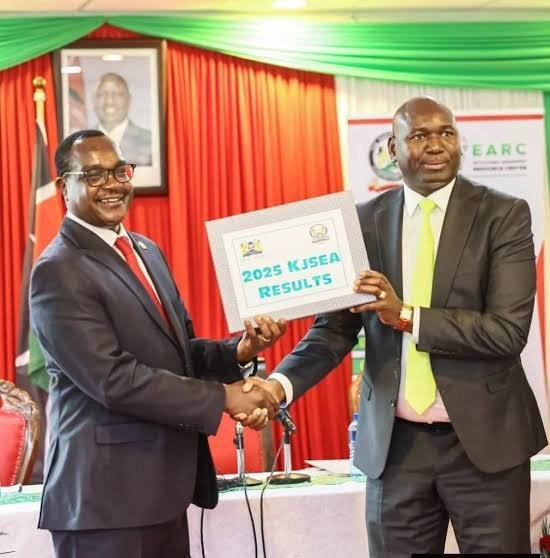
The admission of Kenya’s first cohort of Grade 10 learners was meant to mark a historic milestone in the CBC journey. After all, CBC has been hailed as a groundbreaking curriculum, and grade 10 as a confident step into specialization and learner centered education. Instead, it has unfolded amid confusion so widespread that even schools are struggling to explain what is happening.
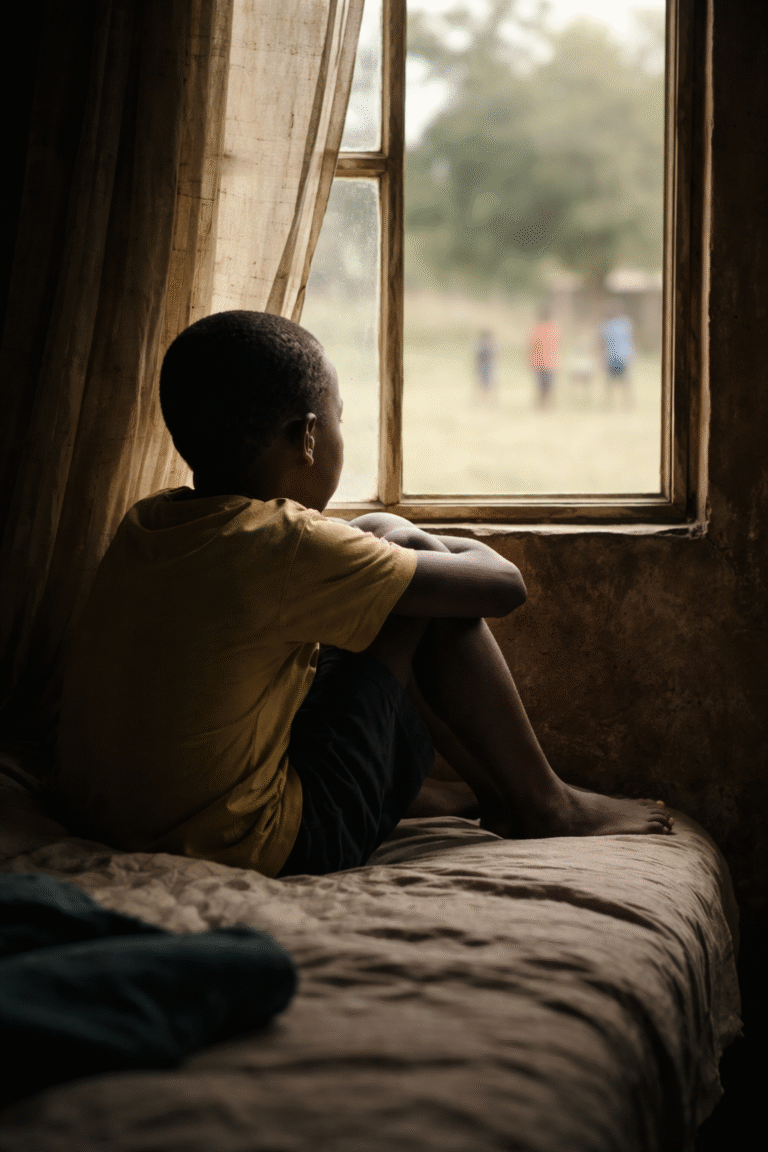
Parents arrived at school gates hopeful and curious of what the future held but left with more questions than answers.
Across the country, reports have emerged of students being enrolled into schools under specialised pathways such as marine science and aviation, only for families to discover that these schools do not actually offer those subjects. In some cases, the institutions lack the facilities, trained teachers or official approval to run such programmes. Quite ironic if you ask me, that just because a school is located at the coast, it is expected to offer Marine science. In other schools (and if we are being honest that is the reality on the ground for most of these schools,) the subjects exist only on paper, not on any functional timetable.
Should we look at this as small administrative hiccups, or are they fundamental breakdowns between policy intention and implementation?
On paper, the CBC senior school model is ambitious and admirable. I have stated severally on this platform how i actually am a big supporter of the curriculum. What they are doing – or trying to do – is very, very commendable. It promises to move learners away from one size fits all education and toward early alignment with talents and career aspirations. But what is ambition without infrastructure really, If not confusion dressed as progress?
Marine science, for instance, is a highly specialised field that traditionally requires proximity to coastal ecosystems, laboratories and trained personnel. Aviation demands even more: simulators, certified instructors, strict regulatory compliance and enormous financial investment – and the government knows it. So why is it behaving as if these are subjects that can be improvised or rolled out overnight in ordinary secondary schools? Please, do tell, why are students being placed into these pathways as though such realities do not exist?
What makes the situation more troubling is that many schools themselves were unprepared for the learners they received. Some administrators have openly admitted they were not consulted on placement decisions or given adequate time to prepare. Others are now scrambling to “reinterpret” pathways, offering loosely related subjects while hoping formal guidance will follow later.
For parents, this has created panic and mistrust and also caused disappointment at a vulnerable age for the young learners. It has also exposed cracks in the education system that cannot be explained away as teething problems.
Let’s not even start on the lack of communication, with parents not being clearly informed how placements were made, schools not adequately briefed on expectations and learners not properly guided on what their assigned pathways actually mean in practice. The result is a system speaking in multiple voices, none of them authoritative enough to reassure the public.
This moment matters because Grade 10 is the foundation of senior school, a phase meant to shape confidence and direction. When students feel misled at this stage, the damage is both academic and psychological.Education
Education reform requires trust. And trust, trust is built through clarity and preparedness – not forgetting honesty. Right now, many families feel none of that. If the CBC senior school model is to succeed, the Ministry of Education must urgently address these contradictions. Pathways must reflect real capacity and placements must be transparent.
For now, we wait and watch how all this will unfold.