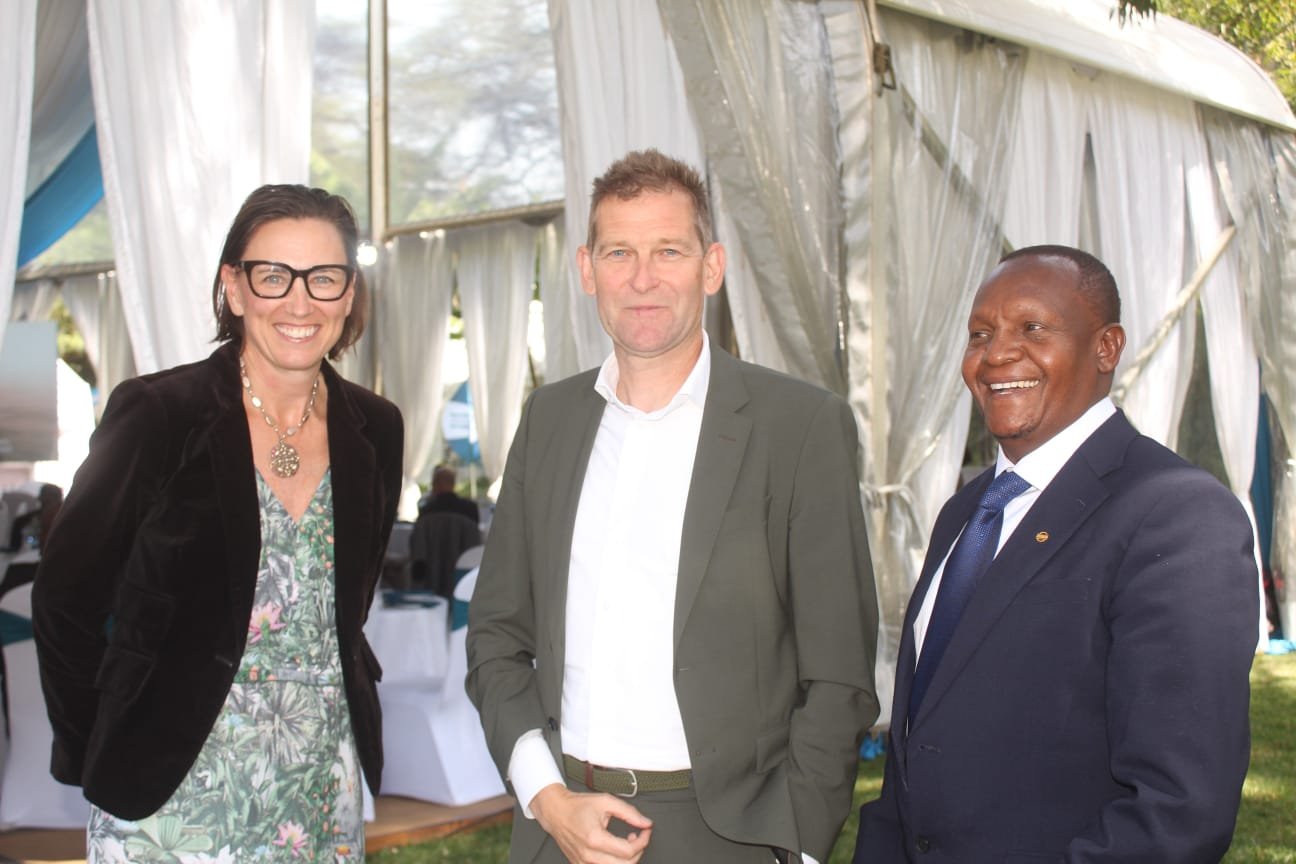
Nairobi, Kenya – Atlas Copco is positioning Kenya as the centre of its East African expansion strategy as the engineering solutions provider marks 90 years in the country while ramping up investments across manufacturing, mining, infrastructure and sustainable industrial technologies.
Serving approximately 14 countries from its Nairobi office, the company says East Africa remains one of its fastest-growing regions despite global economic uncertainty.
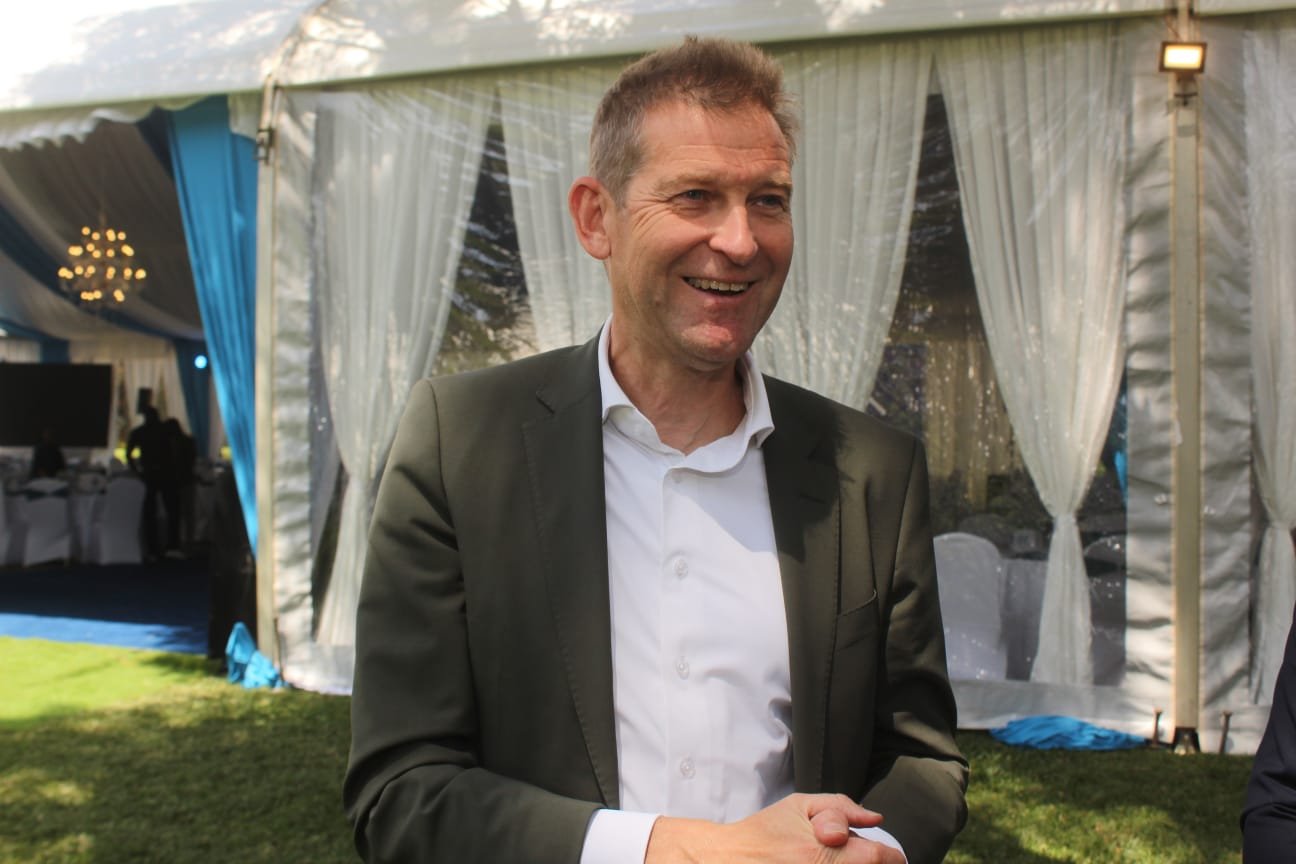
President of Atlas Copco’s Power Technique Service Division, Stefan Vertriest, said the company continues to see significant opportunities across the region.
“We see development in almost every business area where we operate. Mining is growing, manufacturing is expanding, and we continue to invest because we believe the future for East Africa is very promising,” said Vertriest.
Atlas Copco Group operates through four global business areas and 24 divisions worldwide, with approximately 13 to 14 divisions currently active in Kenya.
The company recently introduced its Industrial Technique business to the region to support the growing vehicle assembly and manufacturing sectors while also expanding into industrial cooling and dewatering solutions.
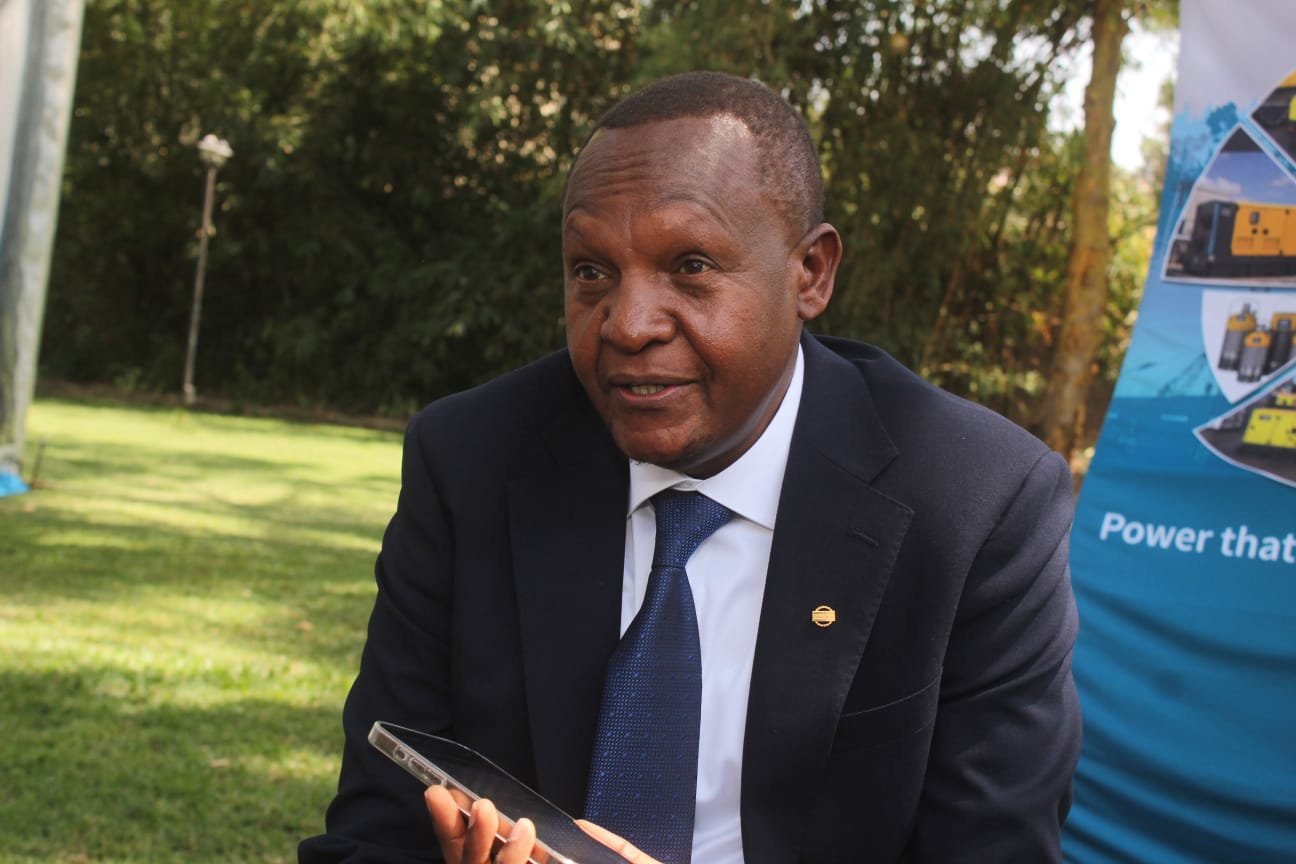
Atlas Copco Regional General Manager for East and Central Africa, Raphael Kiandiko, noted that the industrial transformation taking place across East Africa is creating entirely new market opportunities.
“New industries are emerging, mining is scaling up across the region, and we continue identifying new segments where we can bring value. The region continues to offer tremendous opportunities,” he said.
Atlas Copco says one of its biggest competitive advantages remains its extensive regional service network.
Rather than focusing solely on equipment sales, the company supports machinery throughout its entire lifecycle, with some customer equipment remaining operational for nearly five decades.
“We never let down a customer. Our technicians are on the ground, close to customers, and that local presence has been our strength for more than 150 years,” Vertriest said.
Artificial intelligence, remote monitoring and connected equipment are increasingly becoming central to the company’s service strategy as it prepares for the next decade.
Engineers based in Nairobi monitor thousands of connected machines across East Africa, enabling predictive maintenance that reduces downtime and improves productivity.
The company is also investing in energy-efficient technologies, including hybrid power systems, battery storage, variable-speed compressors and solar-powered lighting systems, as industries across East Africa seek to lower operating costs and reduce carbon emissions.
Acting Ambassador of Sweden to Kenya, Sophie Hilbom Kalin, said the EU-Kenya Economic Partnership Agreement (EPA) provides a strong foundation for expanding trade and investment between Kenya and Europe.
Kalin noted that while trade volumes remain relatively modest, the agreement creates significant opportunities for more Swedish businesses to establish operations in Kenya and for Kenyan companies to access European markets.
“I think there is a demand and that can increase a lot. We do have a free trade agreement between the European Union and Kenya, which should create the conditions for trade and investment to flow between Europe and Kenya. So, it’s definitely great potential,” Kalin said.
According to the envoy, about 40 Swedish companies currently operate in Kenya, with Atlas Copco ranking among the country’s longest-established Swedish businesses.
She added that Sweden is encouraging more Swedish companies to establish operations in Kenya as bilateral economic relations continue to deepen. At the same time, she called for more predictable policies to further strengthen trade and investment between the two countries.