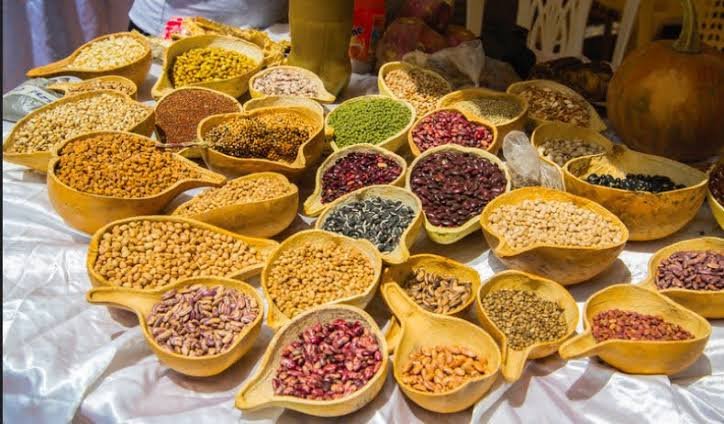
In a historic win for farmers across Kenya, the High Court has struck down sections of the Seed and Plant Varieties Act that criminalised saving or exchanging uncertified indigenous seeds.
Celiac Disease in Africa: Awareness, Challenges and the Future Of Gluten Free Living
Wins in this country come far in between, and we welcome this one with open arms.
Furthermore this issue of indegineous seeds has been a point of contention for years, and the ruling marks a turning point in the country’s long running debate over seed sovereignty. The verdict places the rights of smallholder farmers above restrictive commercial regulations.
The fact that the Kenyan law made it illegal for farmers to trade or distribute seeds that had not been certified by government approved bodies was appalling, to say the least. If we are even being honest, not enough noise had been made about it as a country.
What Kenyan Farmers Should Expect in Landmark Ruling on Indigenous Seed Sovereignty
The law was framed as a way to ensure quality and protect the seed market. However, the truth is that it unfairly targeted indigenous seed systems and traditional practices that have sustained communities for generations. Telling small scale farmers that they had no right to collect and save the seeds of plants they loved to farm was unacceptable. Most of these farmers, who rely on informal seed networks for up to 80% of their planting material were the most affected.
Thankfully after the Court’s decision, farmers now have the freedom to save, preserve, exchange and sell indigenous seeds without fear of fines or criminal charges. It also acknowledges the importance of farmer-managed seed systems (FMSS), which play a vital role in maintaining biodiversity and cultural heritage.
While we recognize this as a legal victory first, the ruling also signals a shift in how Kenya approaches food security and agricultural governance. It challenges the dominance of commercial seed companies and opens the door for policy reforms that value traditional knowledge and promote agro biodiversity.
This is a triumph for farmer groups and civil society organizations that have been fighting this battle for years because it is a recognition of their stewardship over Kenya’s agricultural heritage. As the country faces climate uncertainty and rising food insecurity, protecting seed sovereignty may prove to be one of the most important steps towards a more resilient future.




2 thoughts on “Historic Victory As High Court Restores Farmers’ Rights to Indigenous Seeds in Kenya”
Hello, you were nominated for the BAKE Awards 2025 in the Travel Category, kindly share a contact and email we can reach you on. Send on vallary@bake.or.ke
Lifestyle Creator Category sorry