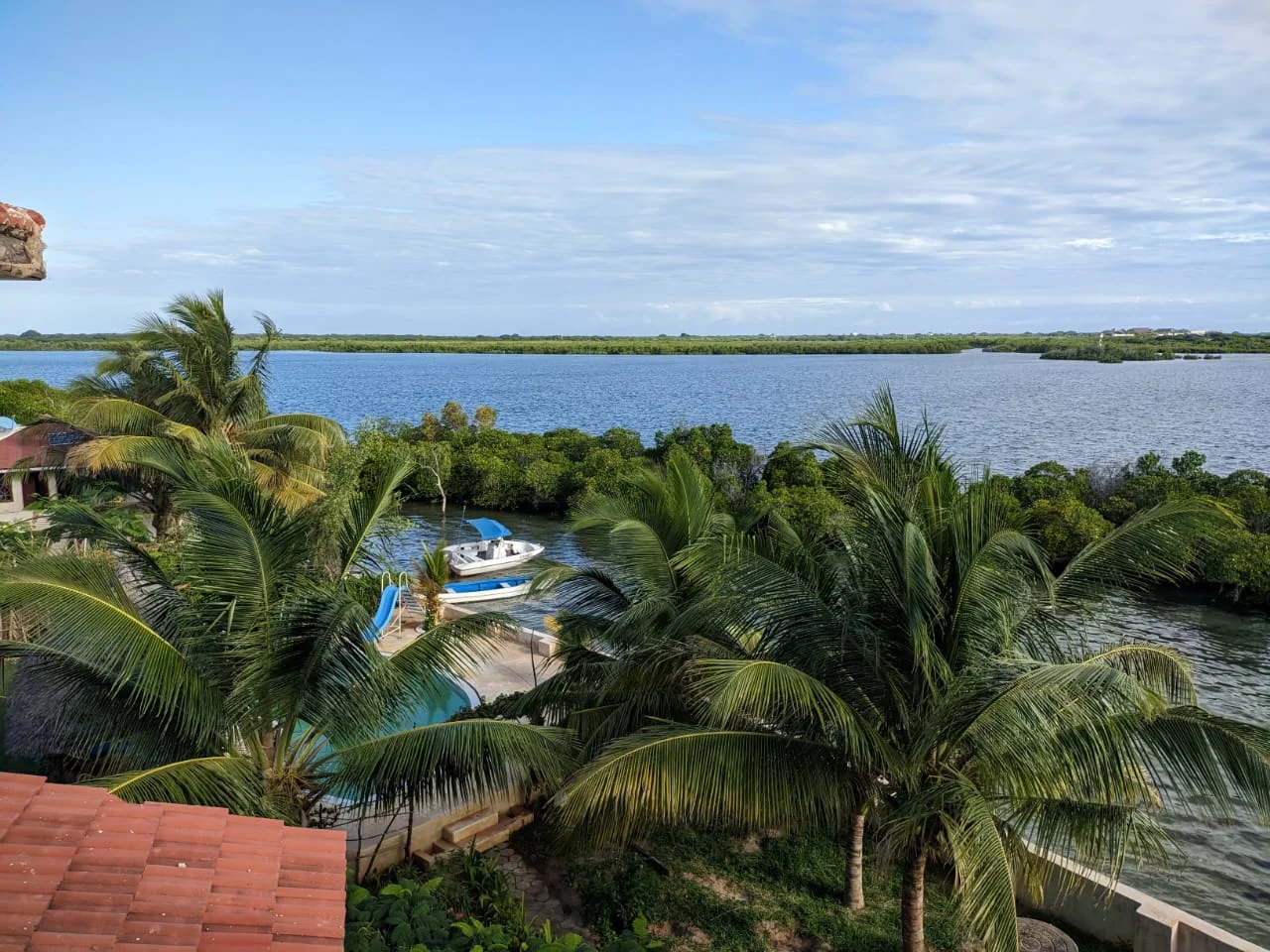
Not to downplay Diani in any way, but the only people that rave about Diani’s white sands have never been to Lamu. I have been to Lamu only once, and it was love at first sight. Do not get me wrong, the sand in Diani beaches is amazing…. but have you been to Ras Kitao, or Manda Island though?
There are places you visit and places that somehow stay with you long after you have left. Lamu is the latter.
Most people have this image of Lamu (mostly the mainland itself) that consists of donkeys and congested alleys. While this is partly true for some parts of Lamu, there is more to it than that. Located along Kenya’s northern coast, the Lamu Archipelago is one of those rare destinations where the pace of life feels deliberately slower – having in mind there are no traffic jams to fight through in Lamu Old Town, no endless rows of modern buildings competing for attention and, in many parts of the island, the most familiar sounds are the calls of traders, the movement of donkeys through narrow streets and boats cutting gently across the water. Yet, again, there is aquiter side you never see on Tv.
You see, while most coastal towns pride themselves in having beautiful beaches, Lamu’s beauty is not limited to its beaches.
It is the carved wooden doors, coral stone buildings, Swahili architecture, centuries old traditions, dhow boats, quiet villages, seafood, sunsets and the people who have kept the character of the island alive for generations.
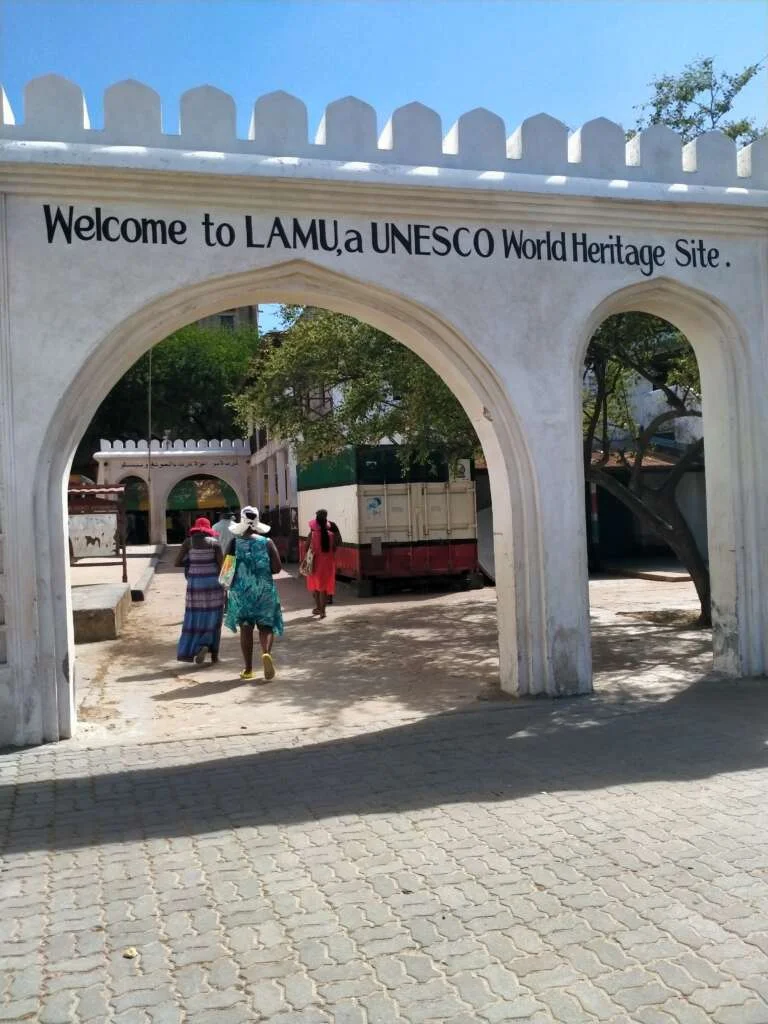
Lamu Old Town is recognized by UNESCO as the oldest and best preserved Swahili settlement in East Africa. Not Kenya, but the whole of East Africa. It has been continuously inhabited for more than 700 years and remains a living cultural Centre rather than simply a historical site preserved for tourists.
If you are planning a trip to Kenya and wondering whether Lamu is worth adding to your itinerary, this guide covers what to see, what to do, where to stay, how to get there, how to move around and what you should know before visiting.
Why Visit Lamu?
Lamu is different from many of Kenya’s better known coastal destinations.
If Mombasa gives you the energy of a major coastal city, Diani gives you the polished beach resort experience and Watamu combines beaches with marine adventures, Lamu offers something much more atmospheric. It is a destination for slowing down.
You can spend a morning wandering through the narrow streets of Lamu Old Town, an afternoon sitting by the ocean, an evening watching the sun disappear over the archipelago and somehow feel as though you have done very little yet experienced a great deal.
The history is also impossible to ignore. Lamu’s architecture reflects centuries of interaction between African, Arab, Persian, Indian and European cultures, while its traditional Swahili character remains remarkably intact. UNESCO notes that the town’s coral stone buildings, mangrove timber, courtyards, verandas and elaborately carved doors form part of its outstanding cultural value.
Then there is the water. The Lamu Archipelago is made up of a collection of islands, beaches, mangroves and waterways, making boat trips an essential part of experiencing the destination. And if you are lucky enough to catch a Lamu sunset from the water, you will understand why photographs of the archipelago can hardly do it justice.
Things to Do in Lamu
Explore Lamu Old Town
Start with the place that gives Lamu much of its identity: Lamu Old Town.
Rather than rushing through it with a checklist of attractions, allow yourself time to simply walk. The narrow streets lead you past old homes, shops, mosques, markets and beautifully carved doors, while the waterfront opens up to views of dhows and neighboring islands.
Lamu Old Town has maintained much of its traditional urban structure and remains a living community. That is important to remember when visiting. This is not an open-air museum created for tourists; people live, work, worship and raise their families here. Take your time but most importantly, dress respectfully and ask before photographing anyone.
Visit the Lamu Museum
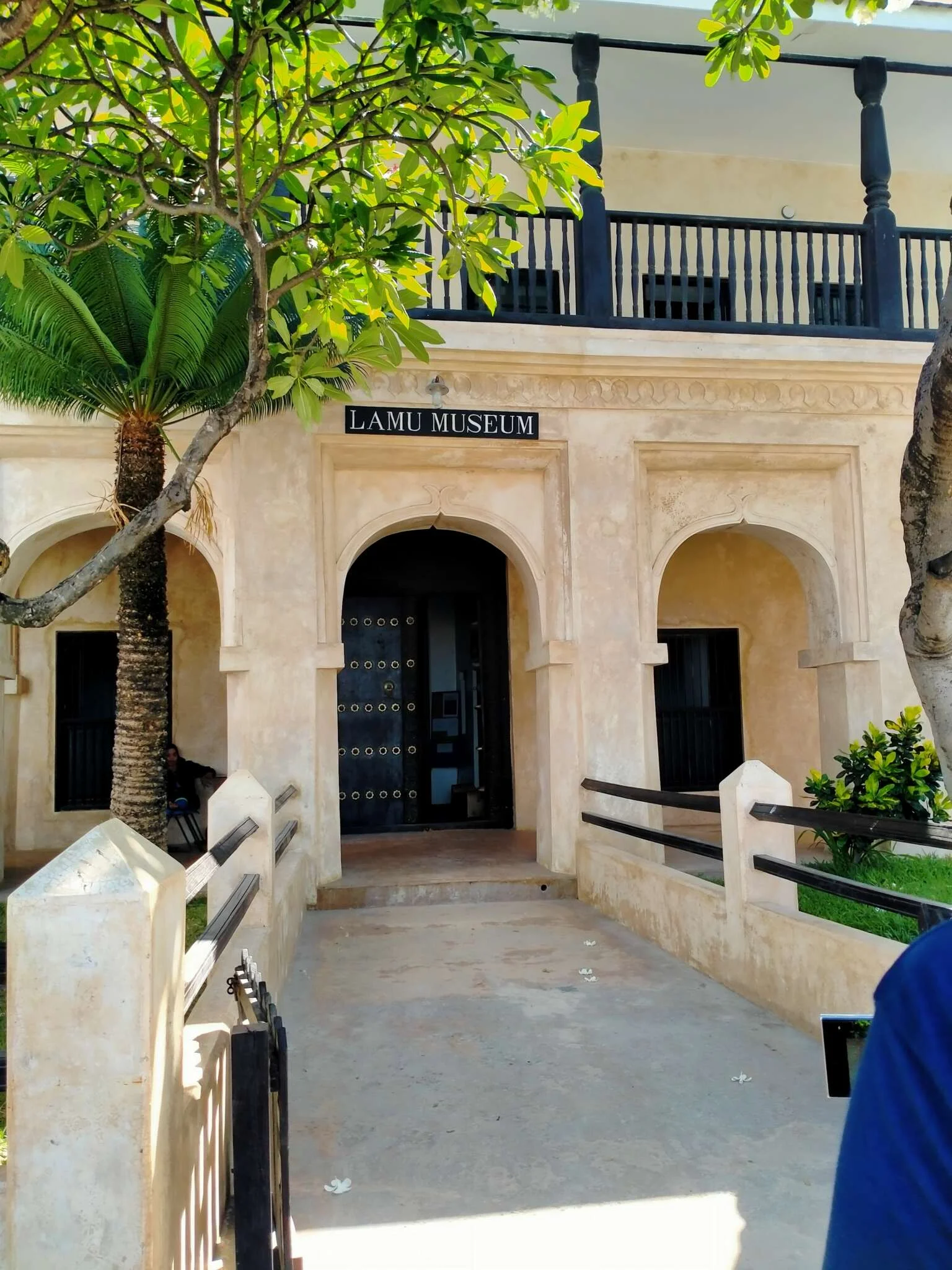
For anyone interested in understanding why Lamu looks and feels the way it does, the Lamu Museum is an important stop. It museum offers a deeper look into the cultural and historical heritage of the region, making it a worthwhile companion to simply walking around Old Town.
I previously wrote about the museum in The Lamu Museum: A Bizarre Historical Monument, where I take a closer look at this fascinating (and Bizarre) piece of Lamu’s history. The museum is particularly useful if you want to understand the traditions and objects you encounter elsewhere on the island rather than simply admiring them from the outside.
Take a Trip to the Takwa Ruins
If ancient ruins and forgotten places fascinate you, make time for Takwa Ruins on Manda Island. Takwa ruins kinda gave me a Deja Vu feeling that I could not push away, and was one of my favorite places to have visited in Lamu. The abandoned Swahili settlement is one of the more intriguing historical experiences around Lamu, and getting there adds another layer to the adventure because the journey takes you away from the main island and onto the water.
I previously explored the story behind the site in Takwa Ruins: The Tale of an Abandoned City. It is the kind of place that makes you wonder about the people who once lived there, the lives they led and what eventually caused the settlement to be abandoned.
Experience Lamu From the Water
What is Lamu (or any coastal town for that matter, without the beach?)
Traditional dhows remain an important part of life around the archipelago, and a boat trip gives you a completely different perspective of Lamu. You can arrange trips around the islands, visit beaches and historical sites, go fishing or simply take a sunset cruise.
One of the more unusual experiences I have written about is The Floating Bar of Lamu, a very important destination, seeing as there are no bars in Lamu, and that is the only place that sells alcohol. It is exactly the sort of experience that demonstrates why Lamu is more than a conventional beach holiday. Sometimes the best way to enjoy the coast is to simply get on a boat and see where the day takes you.
Watch a Lamu Sunset
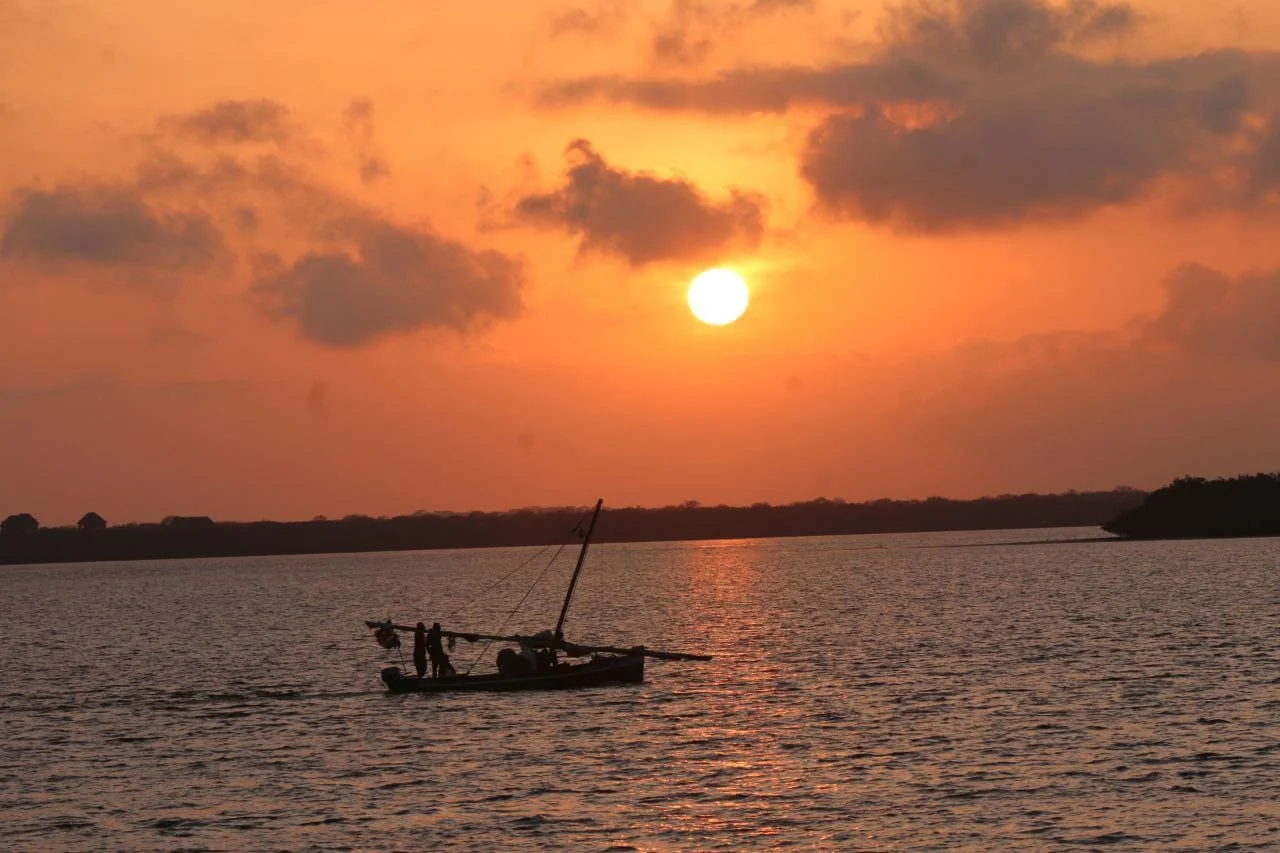
There are sunsets, and then there are Lamu sunsets. The combination of the Indian Ocean, boats, islands and expansive coastal skies creates the sort of evening light that makes you reach for your phone even when you promised yourself you would stop taking photographs.
I previously put together Eight Sunset Photos of the Lamu Archipelago That Will Blow Your Mind Away, and it remains one of the easiest ways to understand the visual magic of the destination. If you are a sunset lover like myself, the feeling of witnessing this cannot fully be put into words.
For the best experience, don’t make sunset something you squeeze into the final ten minutes of your day. Because the sunset of Lamu is the main character.
Spend Time at Shela Beach
A visit to Lamu should also include Shela.
Shela village sits on Lamu Island and is known for its relaxed atmosphere, beautiful Swahili style architecture and access to a long stretch of white sand.
The beach is particularly appealing if you want a quieter coastal experience rather than a crowded resort environment. You can walk between Lamu Town and Shela, although boats are also readily used to move around the archipelago. The wider Lamu experience is built around this combination of walking, boats and a slower pace rather than conventional road transport.
Where to Stay in Lamu
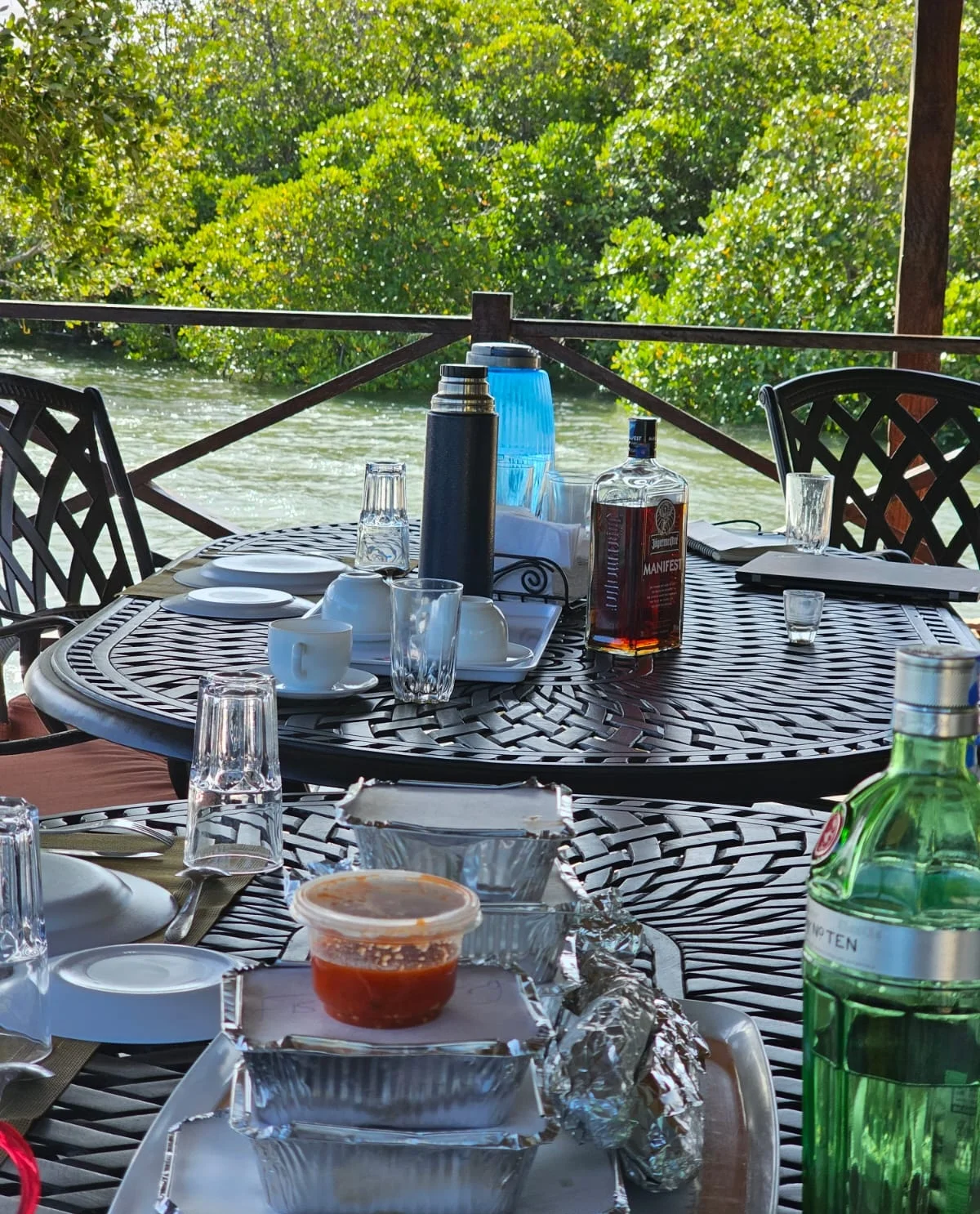
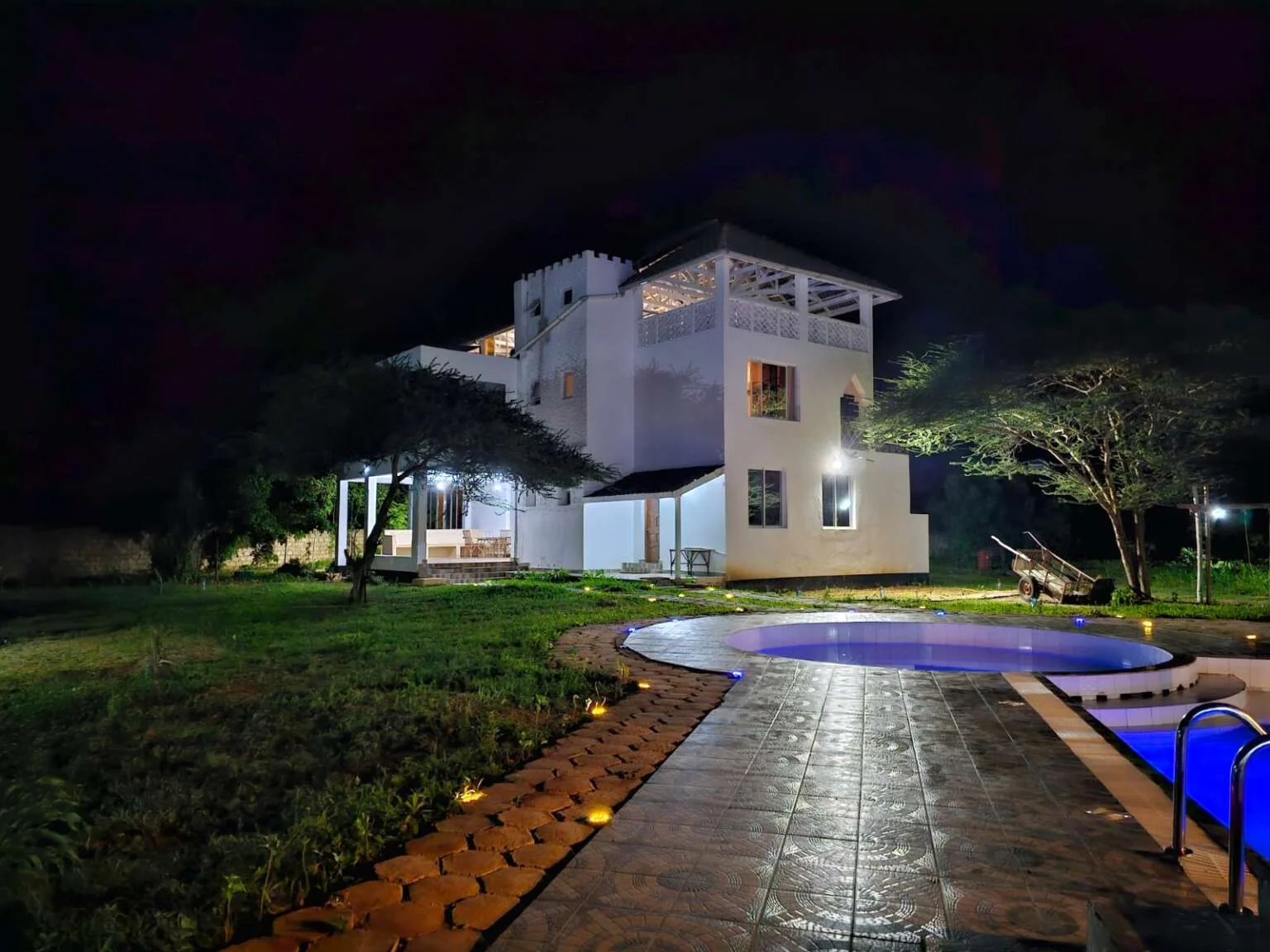
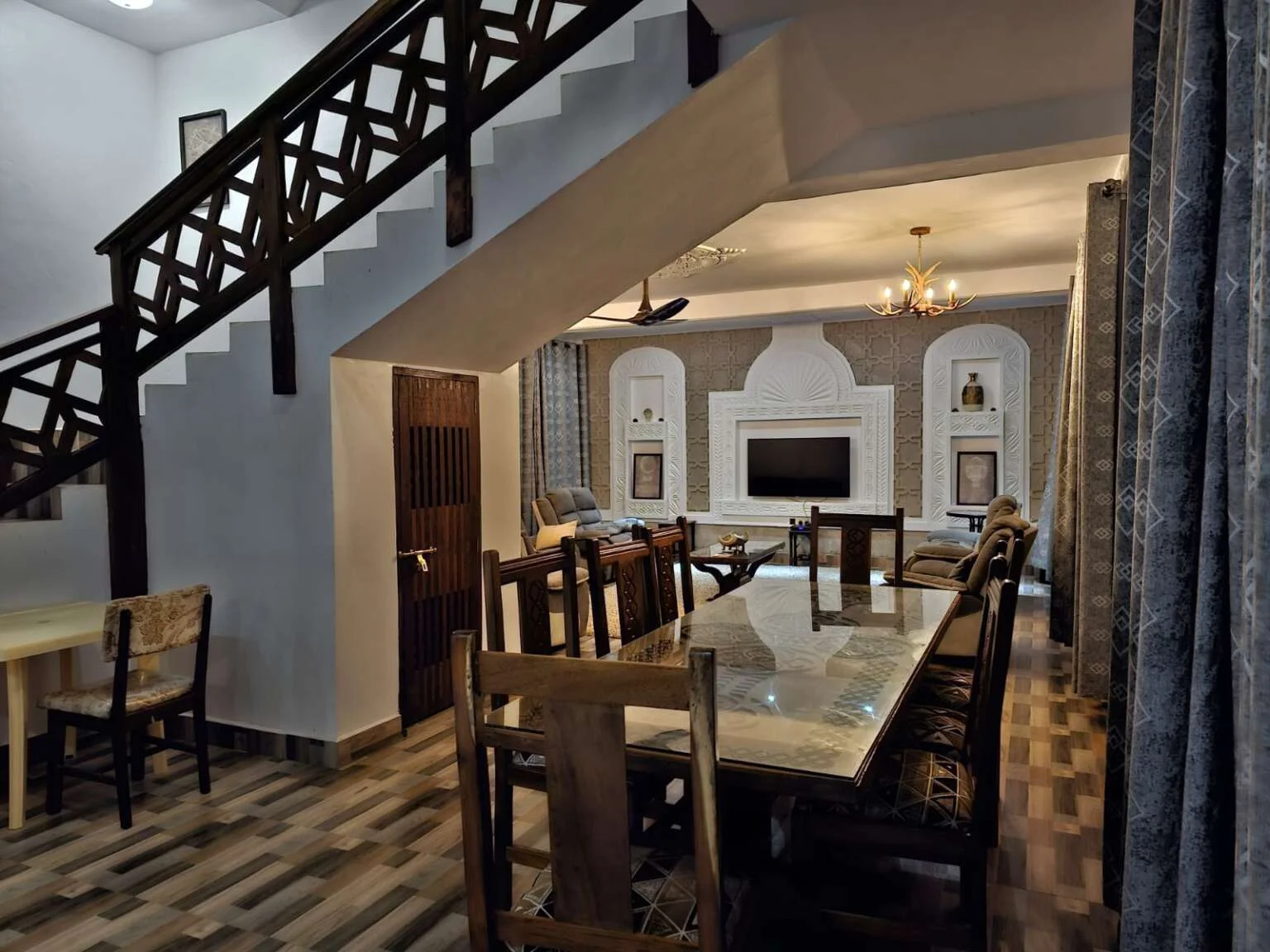
One of the best things about visiting Lamu is that you do not have to approach accommodation in only one way.
You can stay in Lamu Old Town if you want to be immersed in the history and everyday rhythm of the island (also if you are on a budget, but I wouldn’t choose that), or you could choose Shela for a quieter beach oriented experience, or stay in a more secluded island or beachfront property if you want privacy and a resort style escape.
I have already had the opportunity to experience and write about some beautiful accommodation options around Lamu.
For a more secluded experience, take a look at my Villa Review: A Beachfront Lone Island Resort.
You can also read Villa Review: Ras Kitao’s Finest for another perspective on accommodation in the Lamu Archipelago.
When choosing where to stay, think about the kind of holiday you want rather than simply searching for the cheapest room.
If your priority is history, restaurants and being in the middle of everyday Lamu life, Old Town may suit you. If you want a beautiful beach, peaceful surroundings and a slower resort experience, Shela and the surrounding islands may be better. And if privacy is the priority, look towards the more secluded properties around the archipelago (just like the ones I have shared above.)
How to Get to Lamu
For most travellers, the easiest way to reach Lamu is by air.
Lamu Airport is located on Manda Island, rather than Lamu Island itself. After landing, you take a short boat transfer across the channel to Lamu Town or another destination in the archipelago.
Flights connect Lamu with Nairobi and other Kenyan coastal destinations, making it possible to incorporate the island into a longer Kenya itinerary. If you are travelling from Nairobi, flying is by far the most convenient option for most visitors – not to mention also the safest.
There is also a mainland route involving travel towards Mokowe followed by a boat crossing, but current travel advisories and security considerations mean travellers should check official advice and local conditions before choosing a road journey. For many visitors, flying is the simpler option.
Once you arrive, don’t expect to pick up a rental car and drive around….. that is part of Lamu’s charm.
How Do You Get Around Lamu?
Lamu’s narrow Old Town streets are not designed for ordinary car traffic, and donkeys remain an important form of transport, particularly for carrying goods.
Walking is one of the best ways to explore the Old Town because you can stop whenever something catches your attention. Between Lamu, Shela and other islands, boats are essential. This can take a little getting used to if you are accustomed to destinations where you can simply order a taxi and drive from one attraction to another, but eventually the boats become part of the fun (I loved them so much).
And honestly, how many holidays give you an excuse to make a boat ride part of your everyday transport?
Lamu’s Culture and Heritage
The biggest mistake you can make in Lamu is to treat it as nothing more than another beach destination. The beach is beautiful, but the culture is what makes the destination distinctive.
Lamu is a predominantly Muslim community with deep Swahili traditions. Visitors should therefore be conscious of how they dress and behave, particularly in Lamu Old Town and other residential areas.
Beachwear belongs on the beach, ofcourse, but when exploring the town, modest clothing is the respectful choice, and visitors should always ask permission before photographing people.
Lamu’s cultural identity has survived despite centuries of outside influence. UNESCO describes the town as a major centre for Islamic and Swahili culture and notes its continuing importance for religious and cultural festivals.
That living culture is part of what makes walking through Lamu so special.
You are not simply walking through history, but through a place where that history is still part of everyday life.
What to Eat in Lamu
A trip to the coast is incomplete without eating your way through some of its food. Lamu’s cuisine reflects the wider history of the Swahili coast, with influences from Africa, Arabia and the Indian Ocean trading world.
Expect plenty of seafood, coconut, spices, rice dishes and Swahili favourites. Look beyond the polished tourist establishments when you can and try local eateries as well, while being sensible about food hygiene.
And don’t rush your meals.
Lamu is probably one of the worst places in Kenya to eat while staring at your phone and wondering where you need to be next.
Slow down. Eat. Talk.
Watch the boats as you enjoy the beach and hospitality.
When Is the Best Time to Visit Lamu?
Lamu can be visited at different times of the year, but weather and sea conditions can affect your experience.
The drier months are generally more comfortable for beach activities, boat trips and exploring the islands, while the rainy seasons can bring quieter periods and a different atmosphere.
If you are travelling specifically for a festival, plan much further ahead because major cultural events can significantly increase demand for accommodation.
The Lamu Cultural Festival is one of the destination’s best-known celebrations, while the annual Maulidi celebrations are also an important part of the island’s cultural calendar. UNESCO recognizes Lamu’s continuing role as a centre for religious and cultural festivals. If festivals are not your priority, consider travelling during a quieter period when you can experience Lamu without feeling like you are competing with crowds for accommodation or activities.
How Much Does a Trip to Lamu Cost?
Lamu can be as affordable or as luxurious as you make it. A budget traveller can save considerably by choosing simple accommodation, eating at local establishments, walking whenever possible and sharing boat transfers.
A mid range traveller can spend more on comfortable accommodation, organized excursions and restaurant meals, while luxury travellers have access to private villas, exclusive island properties, private boat trips and high-end dining.
Your biggest expenses are likely to be transport to Lamu and accommodation.
For a budget trip, it is worth comparing flight prices early and looking beyond the most expensive beachfront properties. You can also combine Lamu with other destinations along the Kenyan coast, depending on your itinerary and budget.
And remember that the most memorable things to do in Lamu are not necessarily the most expensive. Walking through Old Town, watching the sunset, exploring Shela and simply sitting beside the water can cost very little.
How Many Days Do You Need in Lamu?
For a first visit, I would recommend at least three days, although four or five days gives you enough time to experience the destination without turning the trip into a race.
A simple three-day itinerary could look like this:
Day 1: Explore Lamu Old Town, visit the museum and spend the afternoon wandering around the waterfront.
Day 2: Take a boat trip, explore Takwa Ruins or another part of the archipelago and finish the day with a sunset experience.
Day 3: Spend time in Shela and on the beach, enjoy a slow lunch and leave plenty of room for doing absolutely nothing.
Is Lamu Worth Visiting?
Absolutely. But I would recommend Lamu particularly to travellers who are willing to slow down enough to appreciate it.
If your ideal holiday involves ticking ten attractions off a list before lunch, Lamu may will frustrate you.
If you enjoy history, culture, beautiful architecture, beaches, good food, sunsets, boat rides and places that still retain a strong sense of identity, you may find yourself falling in love with it.
Lamu has managed to preserve something that many modern destinations have gradually lost: a sense of place.
It does not feel like a coastal destination that was built entirely around tourism.
It feels lived in because of how old it is. Even the swahlii feels distinctly different.
From wandering through the narrow streets of Old Town to discovering the story behind the Takwa Ruins, watching the sun go down over the archipelago or spending an afternoon on Shela Beach, there is plenty to do in Lamu without ever feeling as though you have to rush.
If you are planning a Kenyan coastal getaway, put Lamu on the list – and give yourself enough time to actually experience it.