September 13 marks National Celiac Disease Awareness Day. This date was chosen in honor of Dr. Samuel Gee, the English physician who, more than a century ago, linked diet to celiac disease. In western countries, the day is used to raise awareness of an autoimmune condition that affects millions but often goes undiagnosed.
But how many Africans have ever heard of celiac disease? And what does awareness mean in an African context? For most people the word celiac is unfamiliar and gluten-free products are seen as either a luxury or a passing Western trend. Matter of fact, not many even know what gluten means.
This is about how Africans eat. While the West debates wellness trends, Africa is balancing between tradition and modernity, with celiac disease sitting at the crossroads of economics and culture.
So, what exactly is celiac disease?
Not many people have heard of this disease, especially Africans. I also came to know of it just recently. This is an autoimmune disorder where the body reacts to gluten by damaging the small intestine. For those who do not know about Gluten, this is a protein found in wheat, barley and rye. If left untreated, it can cause malnutrition, anemia, infertility, osteoporosis and in some rare cases increase the risk of certain cancers.
Globally, around 1 in 100 people are thought to have the condition. But in Africa where not much is known about the disease, the numbers stay unknown.
Perhaps part of the reason why this is so is because many African doctors and patients may not immediately consider celiac disease. When a patient comes to the clinic with symptoms like chronic diarrhea, weight loss or abdominal pain, they end up being treated instead for other diseases like ulcers and what not. The same case goes for children whose stunted growth is sometimes blamed on poverty or malnutrition while the problem could be as simple as an underlying gluten intolerance.
The result is a people who continue to suffer in silence, resigning themselves to persistent illness. Celiac disease, in many ways, remains an invisible illness across the continent.
The Economics of Going Gluten-Free
Once someone has been diagnosed with celiac disease, avoiding gluten becomes a medical necessity. But what comes to the average African’s mind when they hear of the term gluten free? To most, gluten-free living often feels like a lifestyle reserved for the wealthy.
Here, Supermarket shelves may stock imported gluten-free products whose prices are far beyond the reach of most families. A loaf of gluten-free bread costs almost thrice the price of a regular loaf, an impossible reach for lower income holders.
But there is an irony somewhere therein.
Africa, without even realising it, is the richest continent on earth. Not in terms of money or wealth (although that is also debatable) but in terms of health.
You see, many traditional African staples like maize, cassava, millet, sorghum, yam and plantain are naturally gluten-free. In rural areas where these are the only foods available for daily meals, eating gluten-free comes at no extra cost. It is their way of life. That is why even though most Africans look well built and strong (almost bulk), they suffer minimum lifestyle illnesses. Simply put, even though Africa’s diet leans heavily on a carb centered diet, Africans are still some of the healthiest humans. This is because their carbs have zero gluten.
But sadly, as urban diets increasingly shift toward wheat-based products such as bread, chapati (my biggest undoing) and pasta, gluten-free alternatives are seen as niche and expensive.
Like I always say, our biggest enemy as Africans is wheat. Our forefathers and ancestors never took wheat. They never heard of the term gluten free and they were okay.
Africa’s Ancient Grains as a Global Solution
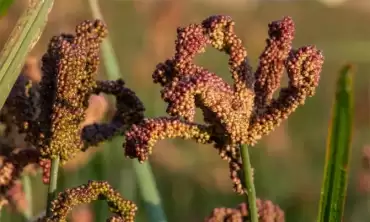
We have to go back to our roots. That is the key. Long before “gluten-free” became a global buzzword, African kitchens were already full of naturally gluten-free foods. Sorghum, millet, teff, cassava, yam …..you name it. These and many more have nourished generations across the continent. These foods are not only safe for people with celiac disease, they are also rich in nutrients and resilient to Africa’s varied climates.
Take teff, the tiny grain behind Ethiopia’s famous injera bread. Packed with iron, protein and calcium, it has become a superfood darling in Western health stores. Name me one food that has a combination of all three nutrients. Sorghum and millet, once dismissed as “poor man’s crops,” are now being rediscovered globally for their versatility and sustainability. I gnash my teeth at the term “discovered.” Even Cassava, a root crop central to West and Central African diets, provides gluten-free flour used in everything from bread to pastries.
Looks like Africa, the continent that was once called “the dark continent” and was looked down upon as poor, was way ahead of its time.
Yet within Africa, these grains often remain undervalued. Urban diets lean heavily on imported wheat, while indigenous crops are sidelined or associated with poverty. Which is sad because while all this is happening in our backyard, the Western markets are capitalizing on these very products and selling them at premium prices as health foods.
The biggest paradox is, could Africa lead the way in redefining gluten-free eating by embracing its own food heritage?
Celiac disease may not be a household term in Africa, but the consequences of ignoring it are serious. When left undiagnosed, the condition slowly damages the body. Results are diseases like anemia, osteoporosis, infertility and in severe cases, cancer. And when it attacks children, the effects become poor growth, delayed puberty and long-term health complications.
Part of the challenge is the fact that few hospitals on the continent have the specialized blood tests or biopsy procedures needed to confirm celiac disease. Gastroenterologists (the specialists who typically diagnose and treat it) are limited in number and concentrated in major cities. To be honest, not many have even come across such a specialist, let alone heard of them – I know I haven’t.
But what about the human cost? What about when families struggle to make sense of unexplained illness? Where parents watch children suffer recurring stomach problems without answers. What about when adults endure years of fatigue and social stigma before learning that gluten is the trigger. And then once the diagnosis comes the burden starts because now they have to manage an expensive and restrictive diet.
This is why awareness matters. Campaigns like National Celiac Disease Awareness Day push conversations into public spaces, encourage governments to invest in better testing and empower communities to take symptoms seriously. In Africa, where the condition is often invisible, raising awareness could make a huge difference. It could be the difference between years of suffering and a chance at healthy living.
The Price Tag of Gluten-Free Living in African Cities
Walking into a supermarket in any African city the reality of gluten-free living could bring premium tears. While a standard loaf of bread might cost the equivalent of one U.S. dollar, a gluten-free loaf could cost three times as much. Genuine Gluten-free products are similarly marked up, making them inaccessible to most families.
A classic tale of two cities. For the middle- and upper-classes, gluten-free shopping is possible, though still costly. For low-income households, it becomes a question of “gluten free what?” Instead, many rely on traditional staples like maize meal, cassava or plantain. These, ironically, are naturally gluten-free but not always seen as desirable in urban diets shaped by wheat consumption. (again, wheat!)
Part of the reason celiac disease gets overlooked in Africa is the perception that gluten-free eating is a trend. The truth for people with celiac disease is that eating gluten-free is about survival because even the tiniest amounts of gluten can trigger long-term damage. There is also non-celiac gluten sensitivity, where people experience discomfort after eating gluten but do not test positive for it.
Africa’s traditional foods add another layer of irony to the debate. Before the term “gluten-free” existed, African communities were already thriving on naturally gluten-free staples. What is marketed as a premium lifestyle in the West has been Africa’s lifestyle since time immemorial.
So now the challenge becomes separating fact from fad. Recognizing celiac disease as a legitimate medical condition while also reclaiming Africa’s indigenous grains as part of the solution becomes the key to breaking through the confusion.
As the world marks National Celiac Disease Awareness Day on September 13, moving forward will require public health investment in testing and diagnosis. Governments need to inject more into the budget for this. The food industry also needs innovation to make gluten-free products affordable. Finally, the continent needs a cultural shift that values traditional African staples rather than sidelining them as outdated.