This is one of those polarizing topics I have been toying with for a while because if I am being honest, I don’t know where to begin from.
In most parts of Africa and especially Kenya, almost everyone dresses in second hand / thrifted clothes. What for the longest time was known as mtumba.
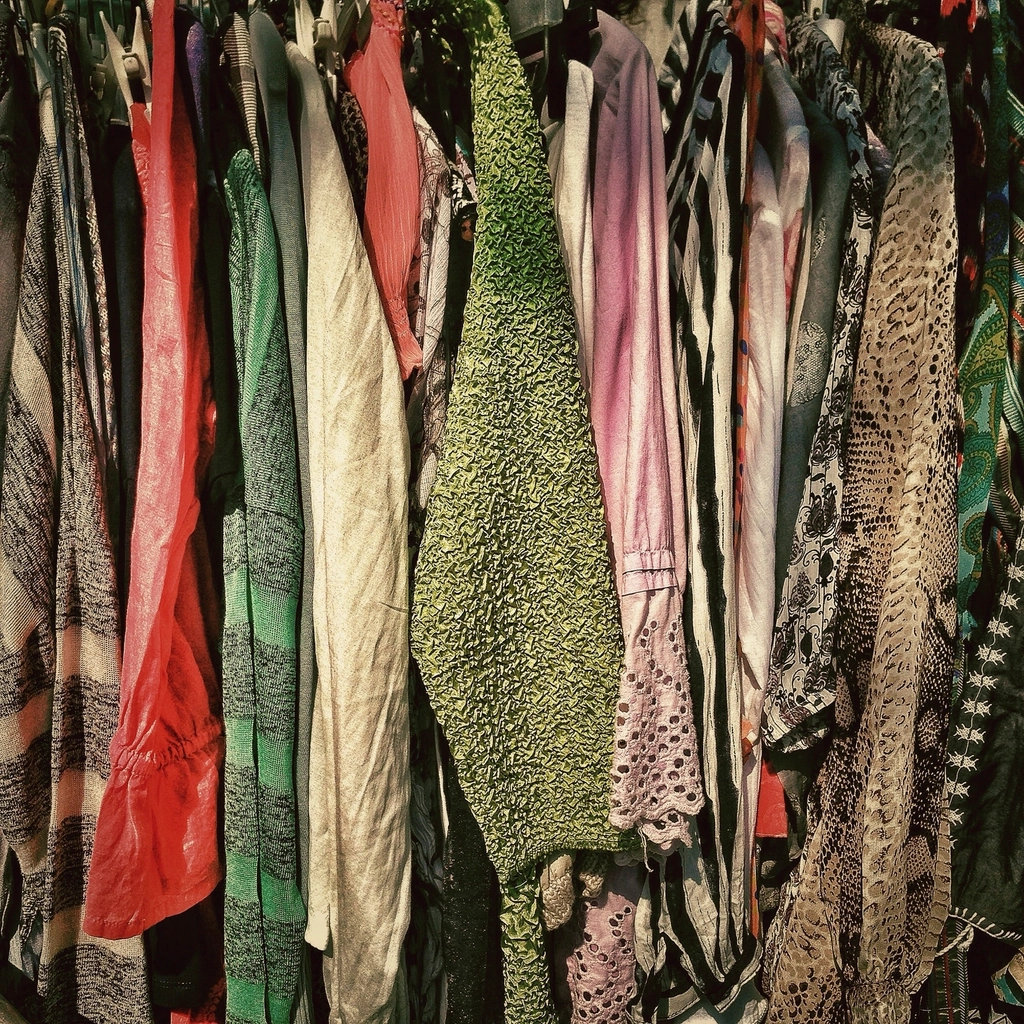
Walk through almost any major market and you will find them. Mountains of denim jackets and branded hoodies. Leather boots. Vintage shirts. Baby clothes still carrying foreign supermarket tags. Guys, we have entire wardrobes from another continent, folded into giant bales and shipped across oceans before landing in the hands of traders and everyday shoppers.
For millions of Africans, mitumba is survival. It is business, culture and style all at once. I know this because I have also been a seller for the longest time. Mtumba has put food on my table and paid my bills for a while.
Second hand clothing has long been woven into the fabric of African urban life. In countries like Kenya, Uganda, Tanzania and Ghana, entire economies thrive around imported used clothing. Traders, like myself, feed families through it. Young people build personal style through it. And let us not even begin on how many low income households rely on it for affordability.
And yet behind the affordability and creativity, we cannot help but wonder if second hand fashion is helping Africa become more sustainable, or is the continent quietly becoming the dumping ground for the world’s fashion waste?
It’s not white or black. The answer, like most things involving fashion and economics is complicated.
The Sustainable Side of Mitumba
On the surface, second hand fashion appears environmentally responsible. And in many ways, it is. Look at it this way ; The fashion industry is one of the largest polluters in the world. It produces new clothing and in the process consumes enormous amounts of water, energy and raw materials. Fast fashion brands release thousands of new designs every year, encouraging consumers to buy more clothing than they actually need.
But then, mitumba disrupt that cycle.
When a second hand jacket is bought instead of a newly manufactured one, fewer resources are required. It also means less waste ending up in the landfills because existing clothes are reused.
In many African cities, thrifting has also become a creative expression. Through mtumba, you get pieces you would otherwise have never got from your local fundi. Young people proudly mix vintage finds with local fashion, with some shoppers even arguing that mtumba offers higher quality clothing than many cheap fast fashion items available today.
But haven’t low income communities been practicing sustainable fashion for decades without calling it sustainability? Clothes were exchanged among relatives, altered by local tailors and worn repeatedly without shame.
Long before the term sustainability became a thing, ordinary Africans were already living it.
But Are We Becoming the World’s Fashion Dumping Ground?
This is where we pause and ask ourselves if every bale arriving in African markets contains wearable clothing.
A significant portion of imported second hand garments are damaged, stained, low quality or unsellable. Traders (and this where I cry the loudest) often absorb the losses themselves because they buy sealed bales without fully knowing what is inside(!)
What cannot be sold frequently ends up as waste. So why are wealthy nations producing so much excess clothing in the first place? And why does so much of it eventually end up in African countries?
The rise of ultra fast fashion has made the issue worse. Cheap online brands now produce clothing so quickly and cheaply that garments are often discarded after only a few wears. Some environmental activists argue that second hand exports can sometimes function less as charity and more as a global waste management system disguised as trade.
In this sense, Africa occupies a strange position in the global fashion economy. The continent contributes relatively little to global textile pollution, yet increasingly deals with the aftermath of overconsumption elsewhere.
Simply put, while markets benefit economically from mitumba, cities and communities also happen to inherit the environmental burden when textile waste piles up.
The Local Industry Dilemma
Enter local manufacturing, and the debate becomes even more sensitive.
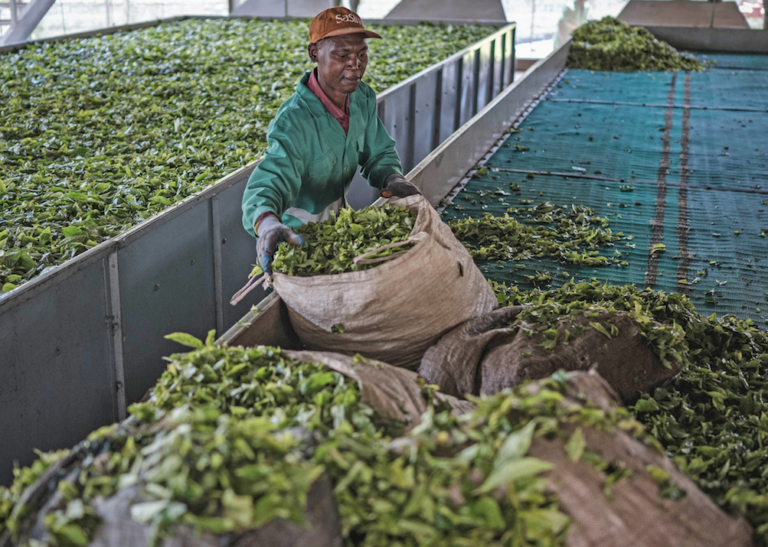
Critics of mitumba argue that the flood of imported second hand clothes has weakened local textile industries across Africa, and they do have a point. It is difficult for local factories and designers to compete against extremely cheap imported garments.
Decades ago, many African countries had thriving textile sectors employing thousands of people. But how many of those are still thriving?
Supporters of mtumba argue that banning second hand clothes would hurt ordinary people far more than it would help local industries. For many households, mitumba remains the only affordable way to access decent quality clothing.
In this argument, there are no winners or losers, and definitely no right or wrong. Mitumba creates livelihoods while also exposing structural weaknesses in local manufacturing systems. It supports affordability while simultaneously reflecting global inequalities in production and consumption.
So, What Is the Way Forward?
The future of sustainable fashion in Africa will likely require balance rather than extremes. Second hand fashion alone cannot solve the environmental crisis created by global overproduction. But neither can sustainability conversations ignore the economic realities facing millions of African consumers.
Governments, consumers, designers and businesses may need to rethink the entire relationship between fashion and waste.
That could include:
- Supporting local textile industries
- Encouraging clothing repair and tailoring
- Reducing overconsumption
- Investing in textile recycling systems
- Promoting quality over quantity
- Creating stronger regulations around textile waste exports
Most importantly, the conversation may require honesty. Mitumba is neither purely exploitative nor purely sustainable. It exists in the complicated space between survival, inequality, creativity and global consumerism. And perhaps that is what makes it such an important African story to tell right now.