A sweater trended recently because of its familiarity. Alikiba, the Tanzanian artist wearing it, could honestly have pulled it straight out of any of our grandmother’s wardrobe. And I am dead serious when I say that. It is even crazier that the colour he had it in, was the exact same colour that my grandmother had her favorite in (laughing real hard as i type this).
Fashion has a way of circling back. When the gen z called it fresh, the older generations smiled knowingly (or laughed hard, like in my case). And for the record, I am not that old hehe, just a year older than the oldest genz. So yes, us millennials couldn’t help but shake our heads at how all that was panning out.
What started as a hilarious viral moment revealed what we have all been thinking for a while, that African fabrics and styles, once tucked away, are returning with a bang.
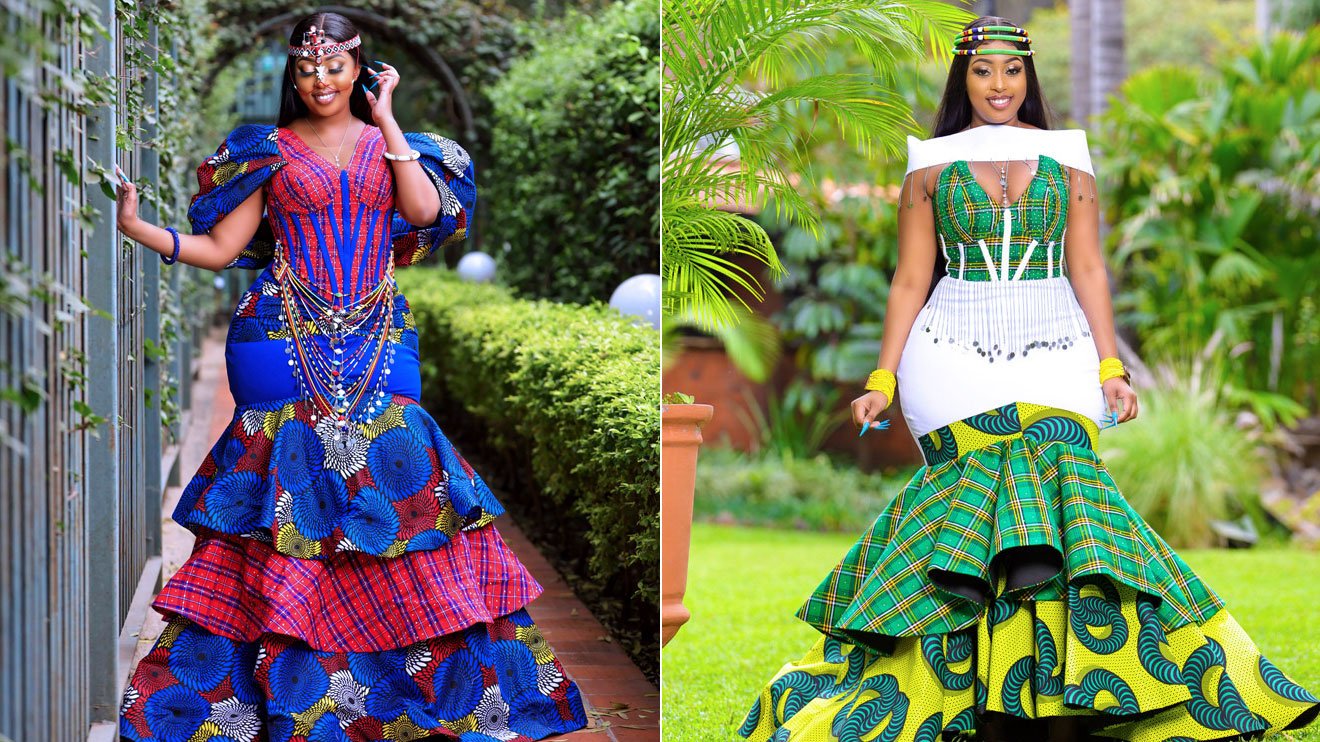
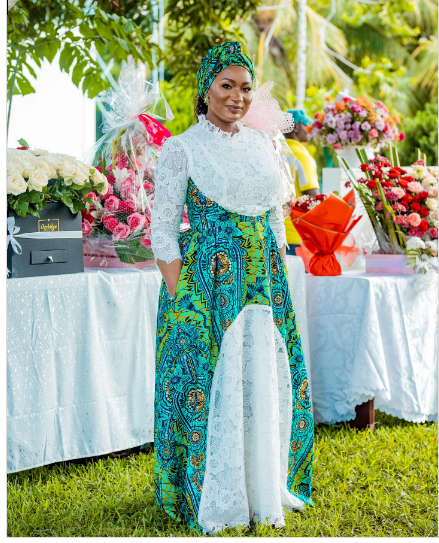
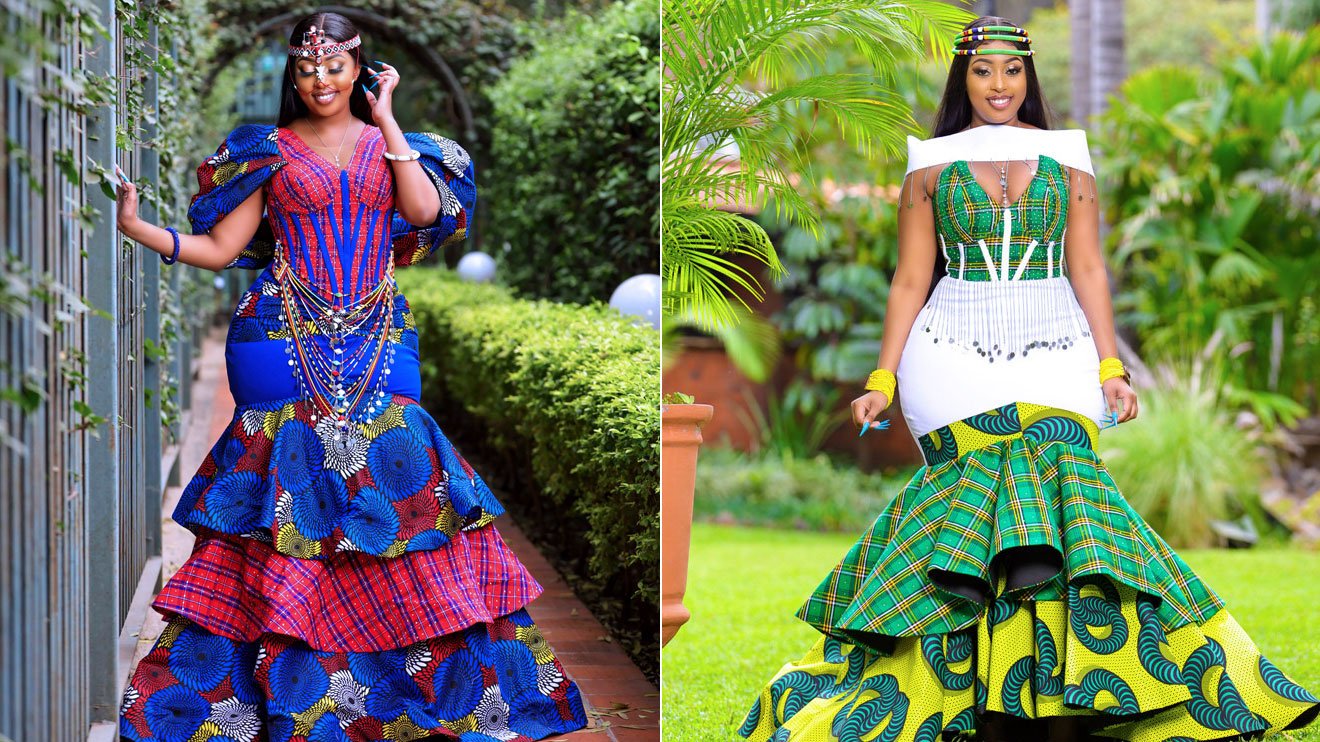
Today, we forgive anyone that thinks African fabrics are just patterns. Because more than anything, they hold identity and meaning. They hold memory and aren’t just relics of the past. Young designers are breathing new life into them by cutting bold streetwear from Ankara and tailoring power suits from kitenge. What our elders wore for everyday life now walks international runways and lights up Instagram feeds.
There is just something about Ankara that stirs at every African’s heart. It looks regal and undeniably royal. Think of when the Ghanaian president wears it, so majestic. Or Ghana’s second lady (wife to the vice president) looking so beautiful in those custom made pieces.

President Addo Akufo dressed in Ankara
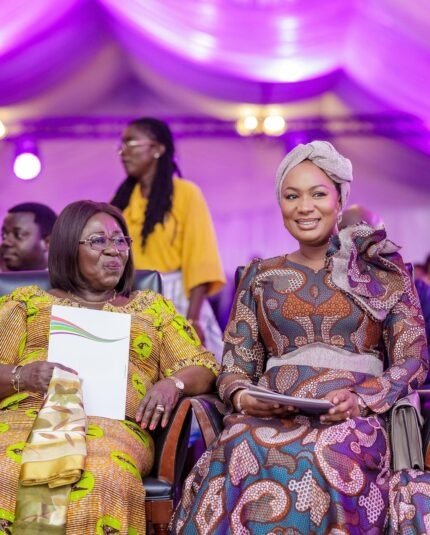
Samira Bawumia, the Second Lady of Ghana
For as far as most of us can remember, African fabrics were either worn at weddings, funerals or national holidays. Always at a function or ceremony and rarely in everyday life. This is because most young people viewed it as an outdated culture that was tied too closely to their parents’ generation.
But there is a new wave of designers and creatives reclaiming African prints and reworking them into modern fashion. Streetwear brands are turning what was once considered church wear into urban cool. Case in point is at the recently concluded “Kisii night,” where the dress code was Ankara. As someone that struggled last minute to come up with something, the designs I saw at the event made my delicate African heart swell with pride.
And this return is not confined to what we wear. It’s evident in our art and homes – even in our digital lives. Walk into a modern apartment in Nairobi or Dar es Salaam, and you might find throw pillows stitched from kikoi. Not to forget the wall hangings made from kitenge or the occasional shukas draped stylishly over a sofa.
Not to be left behind are the artists who are turning to fabric as canvas and inspiration. Photographers wrap their subjects in bold prints to tell stories of heritage while painters are integrating motifs into their work.
While a majority might be doing it for aesthetics purposes, let us not forget that there is more to it as these fabrics also embody sustainability. I can’t help but think of my mom’s lesos and kikois all those years ago and how durable those things were. Even one could last her for years, used almost everyday. Long-lasting, reusable and made to be repaired rather than discarded. That is the epitome of any african cloth fabric. Now compare that to fast fashion’s culture of waste.
If you are truly an eco-conscious young African, then choosing kitenge or ankara is a lifestyle statement that values craftsmanship and the planet.
While The quiet return of African fabrics is nostalgic enough as it is, It’s a reminder that the future of style doesn’t have to be imported but rather, that It can be stitched from what we already have which happens to be bold and beautiful.
At the end of the day, I am just as proud as the next young African that what once felt old-fashioned is becoming timeless. Hopefully with this return we can look inward to the markets and the stories woven into every thread.