A requirement that appeared to make marriage a condition for accessing IVF treatment under the Social Health Authority (SHA) has sparked concern among teachers and fertility advocates, raising questions about whether marital status should determine access to reproductive healthcare.
The controversy emerged after documents issued during the IVF pre authorisation process appeared to require applicants to present a marriage certificate or an affidavit confirming a marital union. The requirement caused confusion among teachers enrolled under the SHA Mwalimu Comprehensive Cover, which recently began offering IVF treatment as part of its benefits package.
Under the scheme, IVF services became available from April 2026, with treatment currently offered through accredited facilities and subject to specific medical criteria. Eligible beneficiaries must demonstrate documented infertility, meet age requirements and comply with other clinical guidelines. The cover provides up to Sh600,000 for teachers and SHA staff, while other public officer schemes are capped at Sh400,000.
Read on ; SHA and Treatment Abroad: A Lifeline for Kenyans or Another Promise That’s Hard to Reach
Questions arose after release notes for the IVF programme stated that access was limited to principal members and their lawfully declared spouses, and that married couples should have been in a legally recognised union for at least three years. Critics argued that such provisions could effectively exclude single women who medically qualify for fertility treatment despite contributing to the health scheme.
Legal experts questioned whether marital status could lawfully be used to restrict access to healthcare. Advocate Michael Wanyama noted that while proof of marriage may be reasonable when one spouse is accessing benefits through another’s cover, principal SHA members should not be required to provide marriage documents to receive medical services.
The issue has also highlighted broader concerns about access to fertility treatment in Kenya, where infertility often carries significant social and emotional stigma. Many patients seeking IVF already face financial, medical and societal challenges, making administrative barriers particularly contentious.
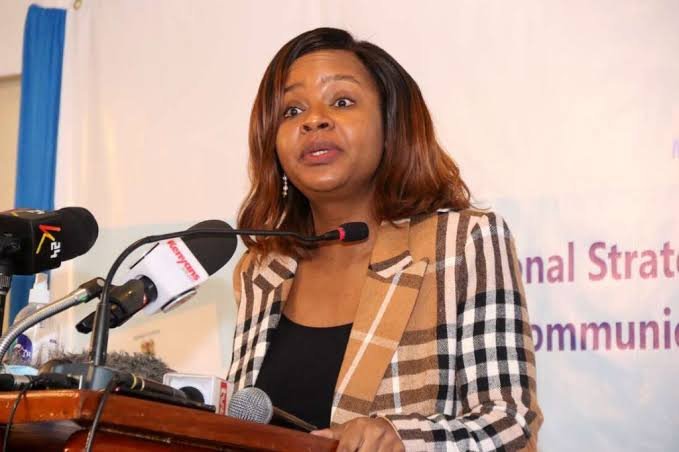
However, SHA has since moved to calm fears. Chief Executive Officer Mercy Mwangangi described the marriage certificate requirement as an administrative error and clarified that principal members do not need to provide proof of marriage to access IVF services.
According to Dr Mwangangi, principal members only need standard identification documents during registration and any affected applicants have been advised to resubmit their pre-authorisation requests.
The clarification is expected to reassure thousands of teachers and other public servants who had welcomed the inclusion of IVF treatment under SHA as a major step toward expanding access to fertility care in Kenya.
Read on ; What’s Really Happening With AoN? A Simple Breakdown for Kenyan Civil Servants