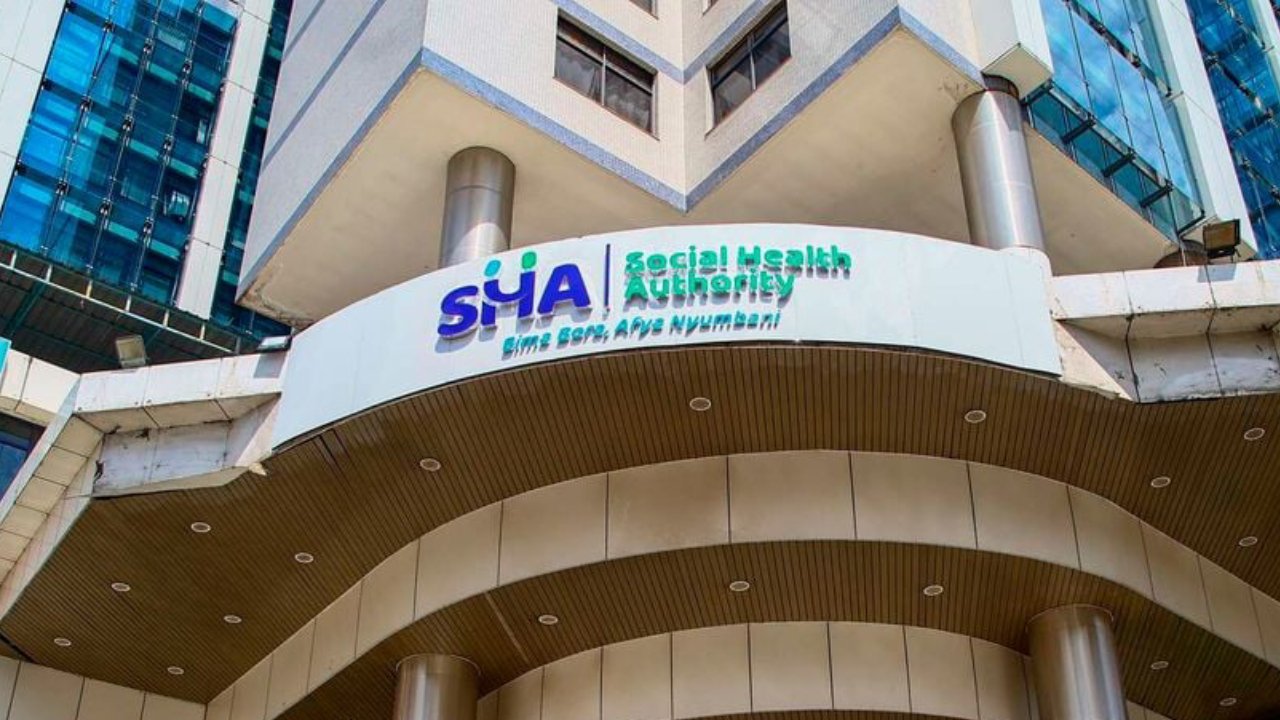
It is no secret that Kenya’s healthcare system has undergone and continues to undergo one of its biggest transformations in decades with the introduction of the Social Health Authority (SHA). Created to replace the National Health Insurance Fund (NHIF), SHA aims to move the country closer to Universal Health Coverage by making quality healthcare more accessible and affordable for every Kenyan.
SHA has, however, had it’s fair share of setbacks. Since its rollout, there has been as many questions as has been expectations. Kenyans want to know what services are covered, how hospitals are being reimbursed, whether treatment abroad is possible and how specialized care such as fertility treatment fits into the new system. Healthcare providers have also raised concerns about payment processes, while civil servants have faced uncertainty over changes involving medical administrators such as AON.
This guide brings together everything you need to know about SHA in one place; from understanding your benefits, following the latest policy changes or simply making sense of the evolving healthcare landscape.
What Is the Social Health Authority (SHA)?
The Social Health Authority is the government agency established under the Social Health Insurance Act, 2023, to administer Kenya’s new public health insurance system. It replaced the National Health Insurance Fund (NHIF) as part of wider healthcare reforms designed to ensure that every Kenyan can access essential medical services without facing financial hardship.
Unlike NHIF, SHA operates within a broader framework intended to strengthen equity in healthcare financing while improving digital service delivery and access to specialized treatment. The Authority oversees several health funds that support primary healthcare, emergency services, chronic disease management and specialized medical care, with the goal of ensuring that healthcare needs are met across different income groups.
Why Did Kenya Replace NHIF with SHA?
The transition from NHIF to SHA was driven by the government’s ambition to achieve Universal Health Coverage. Policymakers argued that while NHIF helped millions of Kenyans access healthcare, the system faced persistent challenges including unequal access, financial inefficiencies, fraud concerns and delayed reimbursements to healthcare providers.
SHA was introduced to modernize healthcare financing by creating a more transparent and sustainable system while broadening access to healthcare services across the country.
The transition, however, has not been without challenges. Questions surrounding hospital reimbursements, benefit packages, registration processes and policy implementation continue to shape public debate.
For members who have already registered for SHA, the next step is making sure their family members are properly captured under their household. If you need to add a spouse or children, our guide on how to add dependants to SHA online in Kenya explains the documents you may need, the registration process, verification requirements and what to do if you encounter problems.
Beneficiaries of SHA
SHA is intended to benefit every Kenyan regardless of employment status. Eligible beneficiaries include salaried employees, self employed individuals, informal sector workers, retirees, children and registered dependants. The broader objective is to reduce out of pocket medical expenses while ensuring more equitable access to healthcare services across both public and private facilities that participate in the programme.
SHA Coverage
SHA supports a wide range of healthcare services designed to address both routine and specialized medical needs. Coverage generally includes outpatient consultations, inpatient treatment, maternal healthcare, emergency services, management of chronic illnesses, surgical procedures and selected specialized treatments, depending on eligibility requirements and government policy. As the programme evolves, additional services continue to be clarified through policy updates and official guidelines.
Does SHA Cover Fertility Treatment?
One of the most frequently discussed topics under SHA has been fertility treatment, particularly In Vitro Fertilisation (IVF). Questions emerged after reports suggested that applicants might need to present a marriage certificate before qualifying for treatment. The issue sparked widespread public debate and prompted clarification from the Ministry of Health.
If you are considering fertility treatment under SHA, our detailed guide SHA IVF Requirements: Marriage Certificate Clarification explains what the government clarified and what prospective patients should know before beginning the process.
Can SHA Pay for Treatment Abroad?
Another area attracting significant public interest is overseas medical treatment. Certain complex medical conditions may require care that is unavailable locally, leading many Kenyans to ask whether SHA can facilitate treatment abroad. While the policy provides hope for patients requiring highly specialized procedures, practical questions remain regarding approvals, funding, referral processes and accessibility.
Our article SHA and Treatment Abroad: A Lifeline for Kenyans or Another Promise That’s Hard to Reach? explores the opportunities and limitations surrounding overseas treatment under SHA.
Hospitals Raise Concerns About SHA
The implementation of SHA has not been without resistance from sections of the healthcare sector. Some hospitals have publicly expressed concerns regarding reimbursement processes and reconciliation agreements. Not to mention, concerns over outstanding payments. These issues have raised fears about service disruptions and highlighted the financial pressures facing healthcare providers during the transition. But is the fear genuine? Or is it misplaced. For more insight, read on, Why Kenyan Hospitals Have Refused to Sign SHA Reconciliation Agreements.
What Is Happening with AON and Civil Servants?
For a while, there has been a lot of uncertainty surrounding AON and civil servants. Changes affecting civil servants’ medical cover have created confusion, particularly regarding the role of AON in administering healthcare benefits. As government healthcare arrangements continue to evolve, many public servants have sought clarity on how these changes affect their medical coverage and how they relate to the broader SHA reforms.
So, where do civil servants currently stand in regard to health insurance?
Following valid concerns brought up about how the new system would operate, the government has introduced reforms aimed at improving service delivery. Civil servants continue to receive medical cover, but their benefits are now more closely aligned with the broader SHA framework.
To address complaints raised during the transition, the Ministry of Health and the State Department for Public Service established a Joint Rapid Response Desk to resolve issues such as hospital billing disputes, denied services and detained patients. The government has also directed contracted hospitals to implement a “walk-in, walk-out” policy, meaning eligible civil servants should not be required to make unauthorized co-payments at participating facilities. In addition, negotiations with private and faith-based hospitals are ongoing to improve reimbursement rates and expand access to quality healthcare.
While these measures have helped address some of the challenges experienced during the rollout of SHA, the transition remains a work in progress. Civil servants’ unions continue to advocate for faster reimbursements, clearer communication on benefits and consistent implementation of the new policies across all healthcare facilities. As the reforms continue to evolve, staying informed through official government updates remains essential for both civil servants and their dependants.
Read on, What’s Really Happening with AON? A Simple Breakdown for Kenyan Civil Servants to understand the issues raised by civil servants.
Challenges Facing SHA
Like any large scale public healthcare reform, SHA continues to face implementation challenges.
Some of the key issues include delays in hospital reimbursements, concerns over healthcare financing, public misunderstanding of benefit packages, digital registration challenges, changing policy guidelines and uncertainty among both patients and healthcare providers.
The question therefore arises, will the programme continue to evolve as the government refines implementation and responds to stakeholder concerns, or are these the type of issues citizens will have to deal with forever?
Why SHA Matters for Kenya’s Future
The success of SHA extends beyond healthcare. A functioning national health insurance system has the potential to reduce poverty caused by catastrophic medical expenses, improve public health outcomes, strengthen confidence in public institutions and support Kenya’s long-term economic development.
For millions of households, the effectiveness of SHA could determine whether quality healthcare becomes a realistic expectation rather than a financial burden. As policies continue to evolve, staying informed will help individuals and healthcare providers make better decisions about accessing medical services.
Frequently Asked Questions About SHA in Kenya
SHA Registration and Membership
Is NHIF still valid in 2026?
No. The National Health Insurance Fund (NHIF) has been replaced by the Social Health Authority (SHA) as Kenya’s national public health insurance system. SHA now administers health insurance benefits under the country’s Universal Health Coverage programme.
Do I need to register for SHA if I was already an NHIF member?
Yes. Former NHIF members are expected to transition to SHA by updating or confirming their details through the official registration process. This helps ensure uninterrupted access to eligible healthcare services.
Do unemployed Kenyans need to register for SHA?
Yes. SHA is designed to cover all Kenyans, including those who are unemployed, self employed or working in the informal sector. Registration is encouraged so that members can access healthcare services and remain enrolled in the national scheme.
How do I add my spouse or children to SHA?
You can add eligible dependants during registration or by updating your member profile. Supporting documents, such as identification and proof of relationship, may be required before your spouse or children are enrolled.
SHA Payments and Contributions
How much do I pay for SHA every month?
How much you pay to the Social Health Authority (SHA) depends on your employment status and income. If you’re employed, your monthly contribution is automatically deducted from your salary. If you’re self-employed, unemployed or work in the informal sector, you’ll need to make your contributions yourself through approved SHA payment channels such as mobile money, online platforms, or partner banks.
Making your contributions on time helps keep your health cover active, ensuring you and your registered dependants can continue accessing healthcare services when needed. If you’re unsure how much you should pay, you can check the latest contribution rates or use the contribution calculator available through SHA’s official platforms. Staying up to date with your payments can also help you avoid interruptions in accessing medical care.
What happens if I miss a SHA contribution?
Missing your monthly contribution may affect your ability to access certain SHA benefits until your account is brought up to date. Members are encouraged to make payments on time and stay informed about the latest contribution requirements.
SHA Benefits and Coverage
What does SHA cover?
SHA provides access to a wide range of healthcare services, including outpatient care, inpatient treatment, emergency care, chronic disease management and selected specialised treatments. The exact benefits available depend on the healthcare package and eligibility criteria.
Does SHA cover maternity services?
Yes. SHA includes maternity care as part of its healthcare benefits. Depending on the approved benefit package, members may access antenatal care, delivery services, postnatal care and other maternal health services at accredited healthcare facilities.
Using SHA Services
Can I use SHA at a private hospital?
Yes, but only at private hospitals and healthcare facilities that are accredited by the Social Health Authority. Before seeking treatment, confirm that your preferred hospital is registered to provide SHA services.
What is SHIF, and how is it different from SHA?
The Social Health Insurance Fund (SHIF) is the fund that finances healthcare services, while the Social Health Authority (SHA) is the institution responsible for administering and overseeing Kenya’s public health insurance system. In simple terms, SHIF is the funding mechanism, while SHA manages its implementation.
SHA Support and General Questions
How do I contact SHA for support?
If you need assistance with registration, contributions, benefits or your member account, you can contact them on:
- General inquiries: info@sha.go.ke
- Customer service: customerservice@sha.go.ke
- Complaints: complaints@sha.go.ke
- Fraud reporting: fraud@sha.go.ke
- ICT support: helpdesk@sha.go.ke
- Toll-free number: 0800 720 601 or dial *147#
- Main line: +254 20 2723246/5
- SMS: Send a message to 147 for inquiries or registration assistance
Physical Offices
While there is no known public list of county branches, services are available through Huduma centres and partnerships with licensed health facilities across Kenya. Make sure you carry yoir national ID with you while visiting.
Is SHA still changing?
Yes. As a relatively new healthcare system, SHA continues to evolve through policy updates, new benefit packages, operational guidelines and government reforms. Staying informed through official announcements and trusted news sources can help you understand how these changes may affect your healthcare coverage.
If you’d like to explore specific SHA topics in greater detail, these guides provide deeper insights:
- Why Kenyan Hospitals Have Refused to Sign SHA Reconciliation Agreements
- SHA IVF Requirements: Marriage Certificate Clarification
- SHA and Treatment Abroad: A Lifeline for Kenyans or Another Promise That’s Hard to Reach?
- What’s Really Happening with AON? A Simple Breakdown for Kenyan Civil Servants