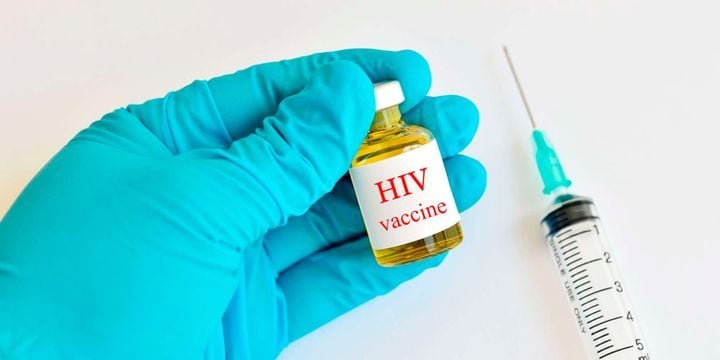
Remember when a HIV diagnosis carried heavy stigma and a majority could not tell the difference between HIV and AIDS? Back in the 80’s and even 90’s, being diagnosed with it was like a judge handing you a death sentence. We have made steady progress, and today the world has millions of people living longer and healthier lives thanks to antiretroviral therapy (ART).
There has been news of Nairobi preparing for one of science’s biggest breakthroughs in recent years: a long-acting injection that can protect people from HIV. All one needs is just two shots a year.
This injection, called Lenacapavir, is expected to transform HIV prevention especially for sex workers and other vulnerable groups who face higher risks but find themselves struggling with the daily burden of taking oral pills.
It could also mean fewer clinic visits and a more discreet way to stay protected.
Lenacapavir by the way is the injection form of PrEP, a medicine taken by people who are HIV-negative to protect themselves from infection. Sort of like a vaccine, but one that must be taken daily in the form of pills. In contrast, Lenacapavir only requires one injection every six months.
This is an important step for Kenya as a whole, a country where 1.4 million people are currently living with HIV (one of the biggest burdens in Africa). Nairobi accounts for a relatively big fraction of that and new infections remain high among young people and other vulnerable groups.
Even though PrEP has been available in Kenya since 2017, it has not been a very popular choice because some people either forget to take pills every day or fear being judged if others see the medication.
This is why Lenacapavir is welcome news to most people simply because it is more discreet and easier to stick with.
Nairobi, home to Kenya’s largest referral hospitals and some of the country’s highest numbers of new infections, is expected to be one of the first cities where Lenacapavir will be introduced once Kenya begins its rollout.
But Kenya is not alone in this effort, with the World Health Organization selecting nine African countries for the first phase of rollout including South Africa, Uganda, Zimbabwe and Malawi. Note that this coordinated approach is meant to accelerate access in regions hardest hit by HIV.
Where to Get It in Nairobi
Kenya’s Ministry of Health has confirmed that the first rollout will begin in January 2026. Some people believe that the injection is already in circulation but this is simply not true. Services will start in major referral hospitals before expanding to community-level clinics.
So, where in Nairobi will this injection be available in January?
- Kenyatta National Hospital (KNH): ofcourse, KNH being Kenya’s largest referral and teaching hospital will certainly be among the first to provide Lenacapavir.
- Kenyatta University Teaching, Referral & Research Hospital (KUTRRH): Known for its advanced HIV care programs, KUTRRH is hot in the heels of KNH
- Comprehensive Care Clinics (CCCs): These are the clinics that are attached to most major public hospitals in Nairobi and already provide ART and PrEP.
- Private Hospitals & Clinics: Facilities such as Aga Khan University Hospital and Nairobi Hospital may adopt Lenacapavir shortly after public rollout.
- NGO-Supported Sites: Organizations like LVCT Health, ICAP Kenya and Partners in Health Research and Development (PHRD), which already deliver PrEP and HIV testing, are preparing to support the rollout.
The rollout is expected to be carried out in three phases, with the first one beginning in (2026) in Major referral hospitals and research-supported sites in Nairobi. Phase 2 will include expansion to county hospitals and high-volume health centers. And the final stage will be making it available in community-level clinics and mobile health programs.
Who is Eligible?
Lenacapavir is designed for people who are HIV-negative but at substantial risk of infection. Likely priority groups include adolescent girls and young women, sex workers, men who have sex with men (MSM) and LGBTQ+ communities, people who inject drugs and are at high risk due to needle sharing increasing the risk of transmission.
Not forgetting discordant couples, where one partner is HIV-positive and the other is not.
At the end of it all, it is prudent that we remember Lenacapavir is simply a prevention tool and not a treatment for people already living with HIV.
Will It Be Affordable?
The elephant in the room concerning Lenacapavir in Nairobi is how much it will cost. This largely determines whether this prevention tool will indeed change lives or remain out of reach.
The good news is that Kenya’s Ministry of Health is working with global partners to ensure that Lenacapavir is introduced at little cost in public hospitals. However cost may vary – In large public hospitals and Comprehensive Care Clinics (CCCs), subsidies are expected to keep prices free (or minimal). The injection may be available sooner in private clinics like Aga Khan but with higher prices.
While Lenacapavir holds tremendous promise, its rollout in Nairobi (and the rest of the African countries for that matter) will not be without challenges.
Even if the first doses are heavily subsidized by donors, how sustainable will that be in the long run? Will long-term affordability depend on government budgets and international support. As always when it comes to matters Africa? Ensuring that the injection is available in smaller community clinics across Nairobi will require significant investment.
Secondly, how accessible will this injection be to vulnerable groups such as sex workers, LGBTQ+ communities,and people who inject drugs? These are the groups that need it the most but are often left behind in health programs due to stigma or discrimination.
Thirdly, and this is the biggest challenge of them all in my personal opinion, what about the risk of behavioral complacency? What will stop some people from acquiring a false sense of security and become less cautious in their sexual health practices? At what cost does this injection become available? Could the decrease in HIV mean a rise in other sexually transmitted infections (STIs) such as syphilis, gonorrhea or HPV? It is the fact that some of these STI’s are harder to treat and can be even more dangerous in the long run. Notably also, complications that result from medications on STD might even end up killing you quicker than the said HIV.
It is quite clear that Lenacapavir should not be used as a replacement for condoms or regular STI screenings.
In conclusion, this is not a magic bullet. Kenyans will need to remember that while HIV may soon be easier to prevent, other sexually transmitted infections are still lurking in the background.