It is the year 2026, and everyone is complaining about high electricity bills. I would be lying if I said I am not. The electricity bill has become quite expensive. We also talk about water shortages while shaking our heads at rising living costs and failing infrastructure. Yet behind closed doors we waste both water and energy in ways that have become so normal we barely notice them. This article is about habit.
Most waste at home does not come from excess or luxury, rather, small, repeated actions that are so familiar they feel invisible.
Think of the tap left running while brushing your teeth, light left on in an empty room or a phone charging long after it reaches 100 percent. It could even be a television quietly glowing on standby through the night.
While individually these things feel insignificant, together, they tell a different story.
Read on 👉 7 Things Our African Forefathers Did Perfectly Before Modern Life Ruined Them
I call it the everyday waste we don’t see. In many Kenyan households, water is both valued and wasted at the same time. A contradiction that is quite honestly, hard to ignore.
In areas that experience shortages, people wake up early to store water, reuse it where possible and stretch every drop. But in homes where water flows more consistently, it is often treated as if it is endless.
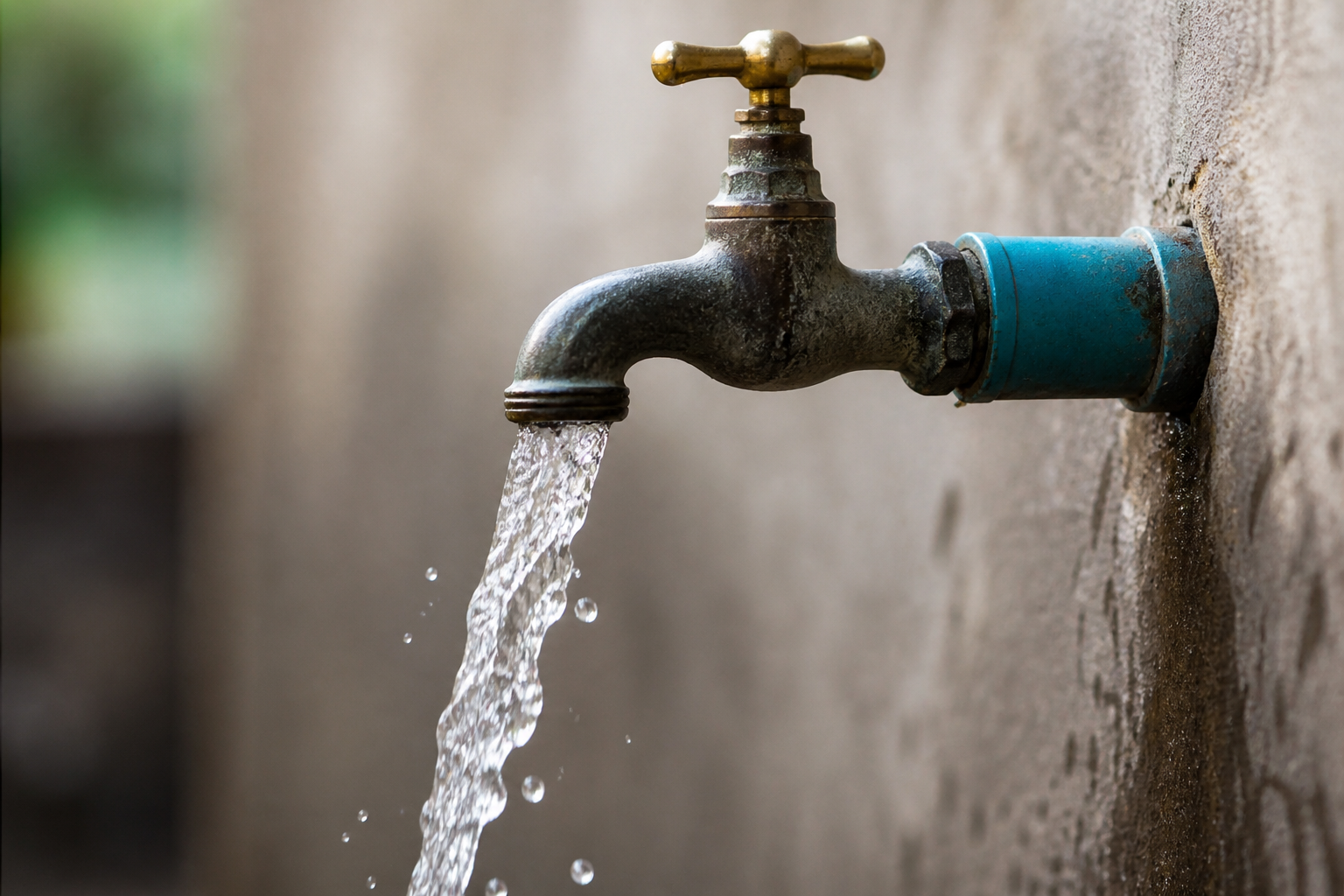
Leaking taps go unrepaired for weeks. I once had a leaking tap that I never took seriously, and before long I realized that my water bill was running quite high. Until someone pointed out the colleration between a leaking tap and high water bills. Simply, he said, that small leakage I dismiss can easily lead to five 20L jericans in a day. That is like two toilets flashed five times every day. I was shocked.
And then most people leave their showers to run longer than necessary. Dishes are washed under a continuously running tap instead of in a filled basin. Compounds are cleaned with more water than needed, simply because it is available in that moment.
And for the exact reason that none of this feels reckless, is exactly what makes it dangerous.
Water waste does not announce itself, slipping instead into routine. And yet, every litre lost adds pressure to systems that are already strained.
The same is true for energy.
Electricity waste is often framed as a cost issue, something we only think about when the bill arrives. But long before that moment, it is already happening in unnoticeable, continuous ways.
Lights left on out of habit rather than need. How many times have you left your appliances plugged in and drawing power even when not in use? Most people do leave their laptops and phones to charge overnight, and their chargers permanently connected to sockets. Routers running non-stop. Hours of streaming that feel effortless, but carry a hidden cost.
Much of this falls under what experts call standby consumption. Energy that is used without us actively choosing it. It is part of a larger, often overlooked Carbon Footprint that begins in our homes long before it shows up in global statistics.
The Cost Beyond the Bill
What we pay at the end of the month is only one part of the equation. Remember, water has to be pumped, treated and distributed. All of that requires energy. So when we waste water, we are also indirectly wasting power.
Electricity, too, carries a deeper cost. Increased demand contributes to environmental strain, infrastructure pressure and rising emissions. Conversations about Greenhouse Gas Emissions often feel distant. Somehow, we think of them as something tied to factories and industries but they are also shaped by millions of small domestic choices.
It would be easy to frame this as carelessness, but that would miss the point.
What we are really dealing with is convenience. We leave lights on because we will “be back soon” and let taps run because it feels easier than turning them on and off repeatedly. We keep devices plugged in because unplugging them feels like an extra step.
Over time, convenience hardens into habit. And habit becomes automatic.
The problem is not that people do not know better. It is that awareness rarely translates into consistent action.
There is no grand solution waiting to fix this. No single policy or innovation that will suddenly eliminate household waste.
The shift is will only happen if you start turning off the tap while brushing your teeth. Or fixing a leak the moment you notice it instead of postponing it.
Start taking shorter showers without needing a reminder and washing dishes in a basin instead of under running water.
The switch begins with you switching off lights when you leave a room, unplugging devices that are not in use and paying attention to how often appliances are running – and why.
To save our environment and cut on water and energy bills does not require revolutionary acts. Just small, almost ordinary adjustments that matter.