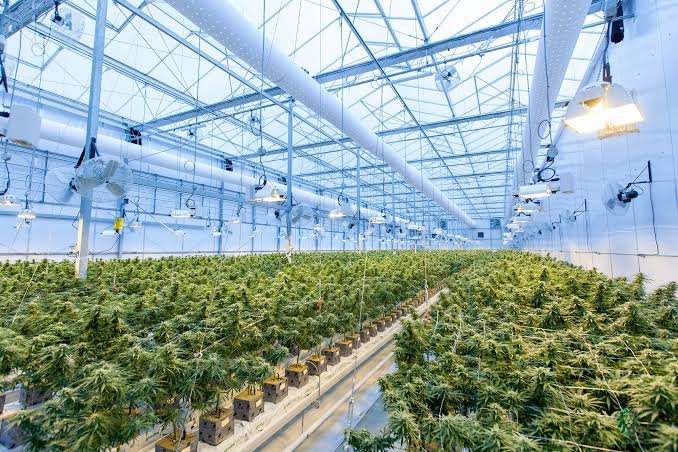
Remember 2020/2021 when Rwanda made a move that came as a surprise to many people within the region. Their government approved a regulatory framework allowing the cultivation and export of cannabis for medical and industrial purposes. Rather than approaching the plant as a social problem alone, Rwanda treated it as an economic opportunity that could be controlled and taxed, and directed toward national development. They saw an opportunity and ran with it.
Since then, licensed companies have invested millions of dollars into the sector. The ripple effect is a creation of job opportunities and positioning the country as an early African player in a fast growing global market. In this, Rwanda beat the rest of East Africa hands down, years ahead while the others were slumbering.
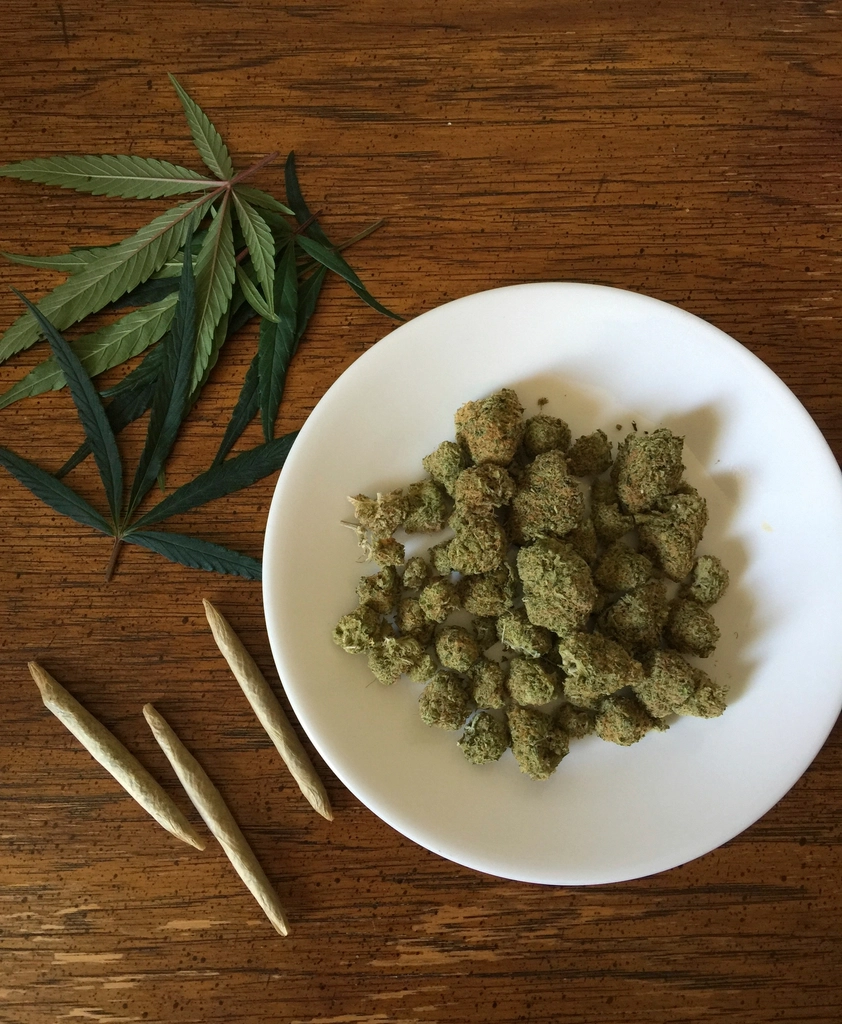
Marijuana as we now know it, has become big business because demand for medicinal cannabis has expanded really fast across the world. And why wouldn’t it, when the drug is known to treat conditions such as chronic pain, epilepsy, cancer related symptoms and certain neurological disorders? This demand has created a regulated global market worth tens of billions of dollars and growing each year.
So huge is the market infact, that it is not only the pharmaceutical companies and research institutions that are investing in it. Even governments are now investing heavily in cannabis cultivation, a shift that has transformed marijuana from an illicit crop into a high value medical and industrial commodity. Therefore, the countries that legalized and regulated early gained access to export markets, foreign investment and long term economic returns.
The thing is, Rwanda’s case was striking and truly stood out among it’s peers because it did not just legalize the commercial cultivation of the plant. No. It is because it acted decisively while the rest hesitated. I have probably already mentioned that the global legal cannabis market is now worth tens of billions of dollars. And Africa, with its climate and agricultural labour force, is well placed to supply this demand. Yet only a handful of countries have moved fast enough to claim a share of this untapped market.
So why does Kenya continue to sit on the sidelines? This is puzzling for a country that prides itself on being an economic and political leader in East Africa. Kenya has long been ahead in areas such as finance, technology, transport and higher education. Nairobi markets itself as the region’s hub for innovation and investment. If this is truly the case, then why did Rwanda run with commercial marijuana farming before Kenya did, and why is Kenya still debating whether to even begin?
It is a fact that marijuana farming already exists in Kenya, but only in the shadows. What has Prohibition changed? Other than criminalizing farmers, empowering the greedy middlemen and denying the government revenue? By maintaining the status quo, Kenya allows an entire value chain to operate illegally, unregulated and, most importantly, untaxed.
Rwanda chose a different path. They powers that be sat down and saw a cash mine. At the end of the day, the state wants revenue, right? So they brought the industry under state control and issued licences. They set standards and ensured that profits flow through formal channels. A genius move, of you ask me.
For Kenya, the economic argument alone should be compelling, if for no other reason. Agriculture remains the backbone of the economy, yet many farmers struggle with declining returns from traditional crops (seriously, it is time farmers started thinking outside the box.) A regulated commercial marijuana sector could diversify agricultural exports and attract foreign direct investment. Not to forget creating rural employment and maybe halt the ridiculous rural urban migration. Revenue from licensing and taxation could be directed into healthcare, education and research, strengthening public services rather than criminal networks.
There is also the question of regional competitiveness. Global companies looking for stable African partners in medical and industrial cannabis will invest where laws are clear and governments are supportive. Rwanda has already signalled that it is open for business. If Kenya delays too long, it risks losing investors and market share to its neighbours. Leadership is about recognizing opportunity early and shaping it responsibly.
Legalizing commercial marijuana farming does not mean encouraging recreational drug use. Maybe the issue here is failing to separate the two issues.
Rwanda’s model shows that strict regulation, limited licensing and state oversight can separate economic policy from social concerns. Kenya has strong institutions and a large agricultural base. That has never been in dispute. Therefore, there is no reason it could not design an even more robust framework that protects public health while unlocking economic value.
If Kenya truly sees itself as a regional leader, it must be willing to make bold, evidence based decisions. The question now, is whether it is willing to claim its place in it, or continue watching others move ahead.