

We have been told, repeatedly, how Africa is irresponsible when it comes to pollution and waste. But is it so really? Or is the truth far more complicated and uncomfortable for the rest of the world?
Long before sustainability became fashionable branding in the West, many African communities already lived with practical systems of reuse. Because this, this is the continent where everything used to be recycled, from glass bottles being returned, containers being repurposed and (we’ve all lived this one) clothes being handed down from sibling to sibling or even relative to relative. Food waste was fed to animals and very little was thrown away casually. Actually, growing up in an African home, throwing away food was an atrocity none of us would even think of. Food had to be cleared from the plate, even if it meant eating it for hours on end. Else, how dare you! Do you know kids from (insert African country of your choice) are dying from starvation!
All that before the flood of cheap plastics, imported consumer culture and multinational packaging systems that created mountains of waste most countries across the world were never well equipped to manage.
And yet somehow despite the limited resources, some African countries moved faster than richer nations when it came to confronting plastic pollution.
Take Kenya for example.
In 2017, Kenya introduced one of the world’s toughest bans on plastic carrier bags. A law which, simply, did not just exist on paper for international applause. It was aggressively enforced. Manufacturers, suppliers and ordinary citizens risked heavy fines and jail time for producing or using banned polythene bags. While many countries announced environmental policies with weak implementation, Kenya actually forced a cultural shift.
Walking through supermarkets and local markets today, it is normal to see reusable bags, woven baskets, paper packaging and alternative carriers replacing the thin plastic bags that once clogged everything. The adjustment was difficult at first, and that is expected, especially from businesses most of which complained loudly. Consumers too resisted because that meant additional expenses. The complaints were temporary and short lived though, as the changes became part of everyday life.
If that alone wasn’t enough to make Kenya a continental success story, then I do not know what is.
still, banning plastic bags and solving the plastic crisis are not the same thing.
The uncomfortable truth is that Africa’s recycling problem begins long before waste reaches the streets. Most of the plastic entering African countries was never designed to be truly recyclable in the first place. Single use packaging dominates supermarkets. Tiny sachets for cooking oil, shampoo, spices and detergents are nearly impossible to recycle economically, yet they are heavily marketed to low income consumers because they are affordable in small quantities.
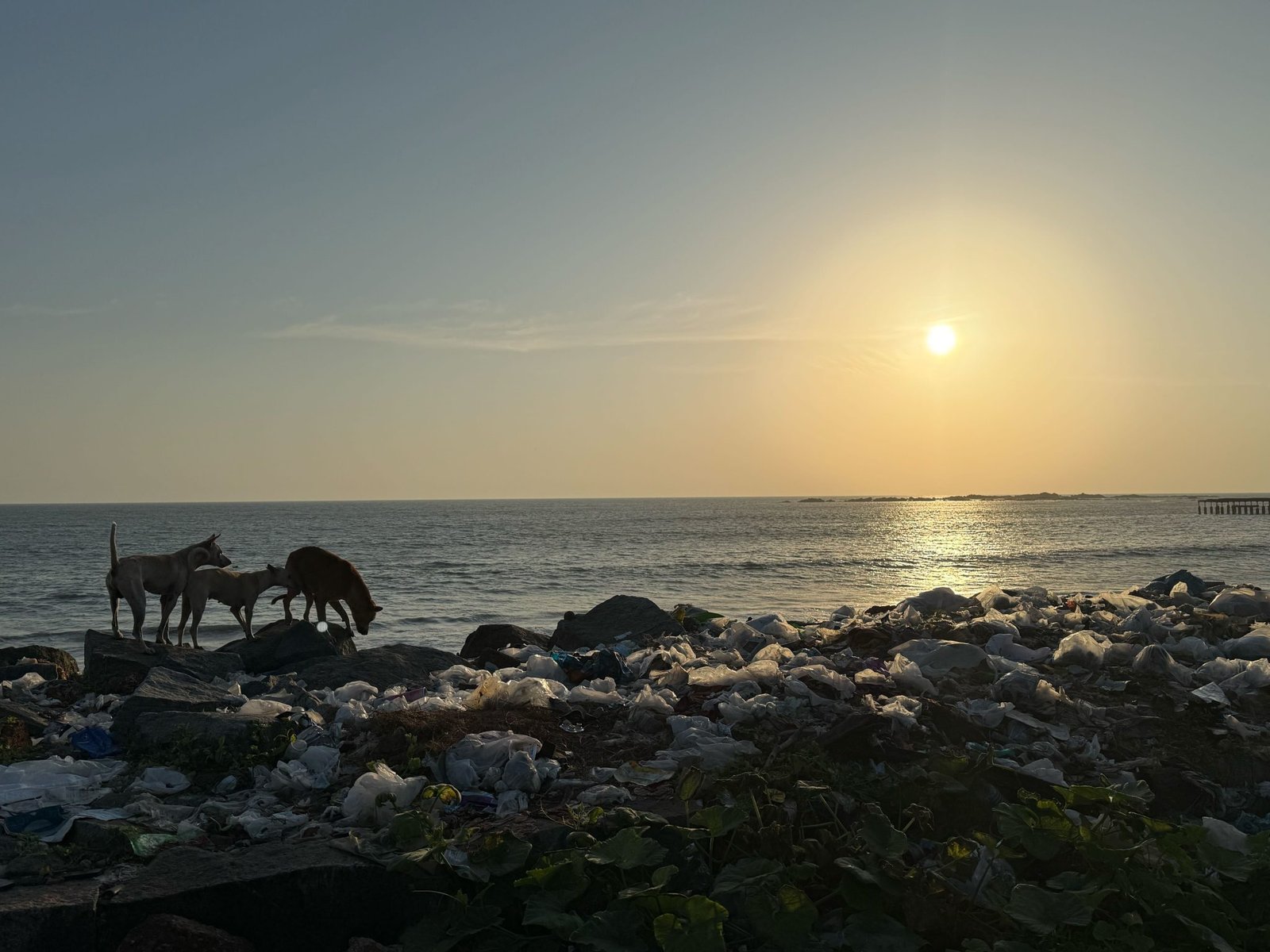
Not to forget that In many African cities waste collection itself remains inconsistent. Informal settlements are underserved. These cities are full of overflowing dumpsites and rivers carrying systems for urban waste. It even gets worse during the rainy seasons as blocked drainage systems contribute directly to flooding.
Plastic is not just an environmental problem anymore. It has become an infrastructure problem, a health problem and increasingly, an economic problem.
There is also another reality few people discuss honestly. That much of Africa’s recycling industry survives because of informal waste pickers.
Across cities like Nairobi, Lagos and Johannesburg, thousands of people earn a living collecting plastic bottles and scrap materials by hand. They sort through dumpsites and bins doing work that municipalities often fail to do themselves.
These are the invisible backbone of recycling systems across the continent, so why do they remain underpaid and largely ignored in policy discussions?
If you think that is quite ironic, wait till you hear this. Africa, the contiment that contributes relatively little to global plastic production compared to wealthier industrial nations, is drowning in the consequences of a global packaging culture it did not create.
Guess who lives on like nothing is happening? Multinational corporations. They continue to sell products wrapped in layers of non recyclable plastic. But worry not, they do take action….. by promoting carefully crafted sustainability campaigns.
Consumers are told to recycle more, but what would recycling alone solve, while the real crisis is built on endless plastic production?
The reason everyone is talking about recycling is because it is an environmental comfort blanket that makes people feel responsible without forcing industries to fundamentally change how products are packaged and sold. But no recycling system on earth can keep up with unlimited plastic production.
We have to acknowledge now that Africa’s challenge now is bigger than banning bags.
The continent must decide whether it wants to continue copying waste heavy consumer systems from richer countries or build something different altogether. That could mean investing in refill systems, supporting local packaging innovation, strengthening waste collection, regulating corporations more aggressively and protecting informal recyclers who already do much of the work.
Because the truth about plastic recycling in Africa is this: the problem was never simply Africans failing to recycle enough. The problem is a global economic system producing more plastic than the world can realistically handle and poorer nations are carrying the burden with far fewer resources.





1 thought on “The Truth About Plastic Recycling in Africa”
Insightful