Kenya’s women deserve more than pad drives. Here’s why women representatives should prioritise healthcare, safety, economic empowerment and policy reform.
It’s crazy how we see the same scenes year in year out and nothing seems to change. Especially when elections are just around the corner.
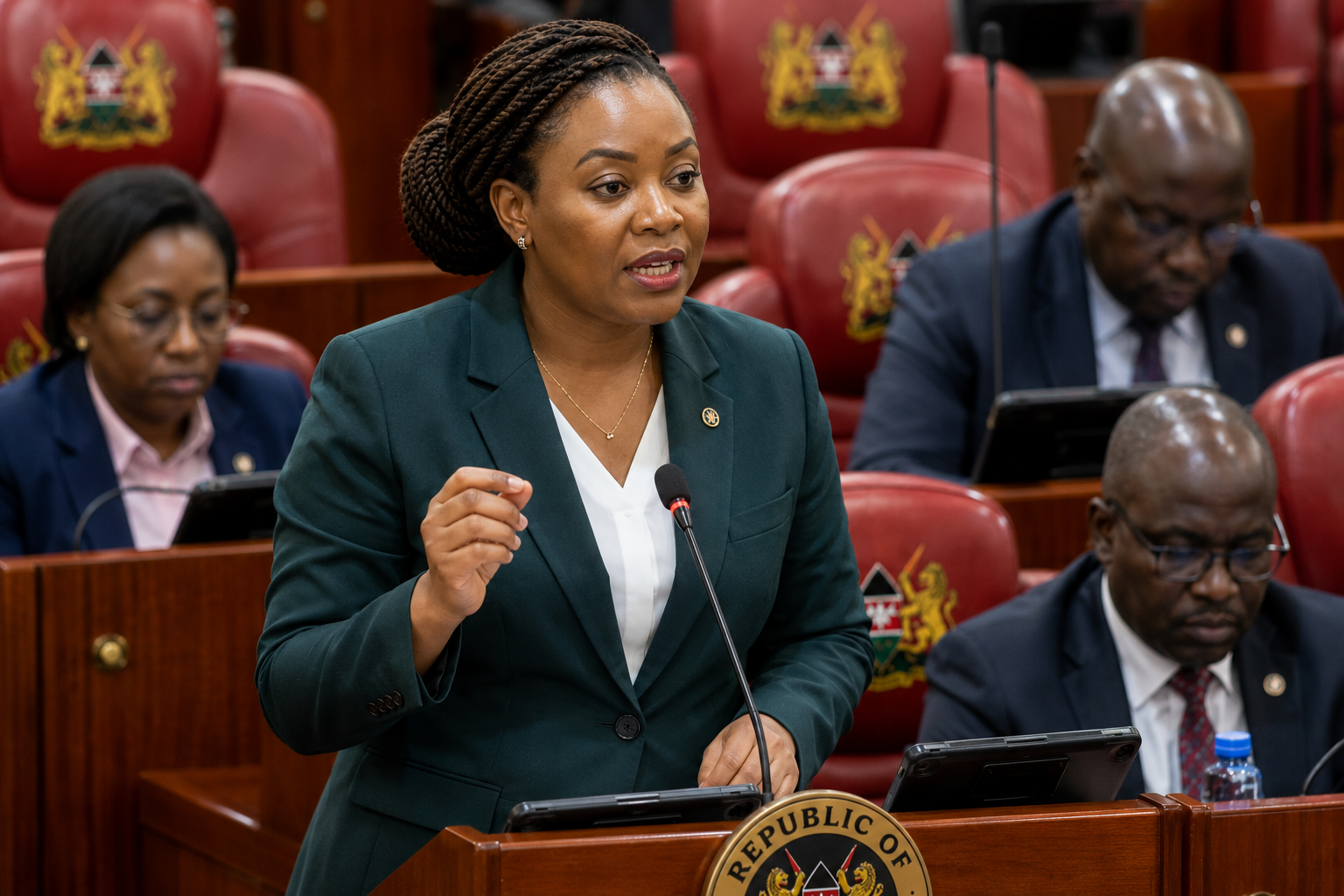
We see convoys pulling into school compounds as hundreds of girls gather in assembly. Speeches are made and cameras flash, meanwhile, boxes of sanitary pads are handed out amid applause and celebration. This year they have taken it a notch higher – women Representatives have been spotted wearing school uniforms during these events. The reason? Only them seem to know, whether it is in pursuit of that viral moment or whatever else.
There is absolutely nothing wrong with providing sanitary towels to girls. Period poverty remains a serious issue in Kenya and for many families, purchasing sanitary products every month is still a financial burden (and I say this as someone that was there at one point in life, whose mother found it an uphill task to afford pads for her daughters every month.) Truly, every girl deserves to manage her period with dignity and without missing school because she lacks basic menstrual products.
Having said that, let me also point out that the problem is not the distribution of pads but that pad distribution has gradually become the most visible symbol of women’s leadership in Kenya.
When one looks at the public activities of many female leaders throughout the year, it is difficult to ignore the impression that menstruation has become the issue most consistently associated with women and girls. Yet women are far more than their monthly cycles, and the challenges they face stretch far beyond access to sanitary towels.
Young girls continue to disappear under disturbing circumstances. Cases of gender based violence dominate news headlines. Mothers still experience difficult childbirths in under resourced hospitals as thousands of women struggle to access healthcare, decent employment, affordable childcare and justice when they become victims of violence. These are everyday realities affecting millions of Kenyan women.
Rather than reducing women’s empowerment to charitable donations that must be repeated every few months, perhaps it is time for Kenya’s female leaders to focus more deliberately on policies and long term solutions capable of transforming the lives of women and girls across generations.
Maternal healthcare deserves to become a national priority
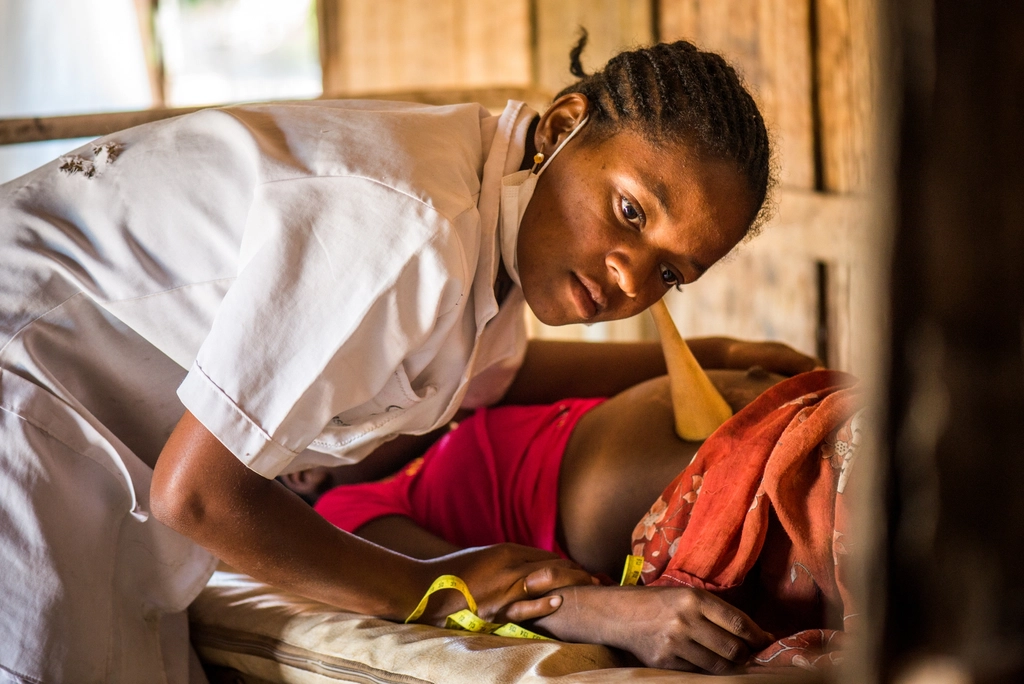
One area that urgently requires stronger political leadership is maternal healthcare. Every woman deserves the confidence that when labour begins, she will receive quality care in a clean, well equipped facility staffed by enough medical personnel.
We cannot dispute the fact that Kenya has made significant progress in improving maternal health over the years. Yet, many public hospitals still struggle with overcrowded labour wards, shortages of essential equipment and overwhelmed healthcare workers. Women in some parts of the country continue to purchase medical supplies before giving birth or travel long distances to find facilities capable of handling complicated deliveries.
Imagine the impact if every Woman Representative adopted one maternity ward in her county and consistently advocated for better staffing, improved equipment, respectful maternity care, expanded neonatal services and stronger postnatal support. Imagine that. Instead of annual pad drives dominating headlines, women across the country could begin seeing measurable improvements in the quality of care they receive during one of the most important moments of their lives.
The safety of women and girls cannot remain an afterthought
No woman should have to worry about disappearing on her way home, while no parent should live in constant fear that their daughter could become the next victim of kidnapping, sexual violence or femicide.
The rising conversations around violence against women and girls demand sustained political leadership rather than temporary outrage whenever a tragic case dominates the news cycle. Female leaders are uniquely positioned to champion stronger prevention strategies, improved police response, survivor support services, safe houses, legal reforms and faster access to justice for victims.
Girls cannot fully benefit from education, scholarships or sanitary products if they do not feel safe in their own communities. Security and justice must therefore become central pillars of any serious women’s empowerment agenda.
Economic empowerment creates lasting independence
One of the greatest challenges facing Kenyan women today is not simply access to opportunities but access to sustainable economic independence. Across the country, women continue to operate small businesses with limited financing, face workplace discrimination and shoulder much of the unpaid care work within households.
Rather than concentrating public attention on one off donation exercises, female leaders could champion affordable credit for women entrepreneurs, mentorship programmes, digital skills training, market access for small businesses and policies that make it easier for women to secure decent employment.
Economic empowerment to women should be more than just temporary assistance. It should give them the ability to make independent decisions, provide for their families and build wealth that can transform future generations. It should go beyond issuing grants or hosting empowerment forums.
Let us also not forget that alot of women continue to face disputes over land ownership, inheritance and property rights, particularly after the death of a spouse or parent. Ensuring that women can inherit, own and protect property without discrimination would have a lasting impact on financial security for countless families.
Building policies that support women and families
It is a good thing that the government continues to advocate for breastfeeding centres at workplaces. It is a welcome step that must be applauded. But challenges are still there, seeing as many working mothers continue to juggle careers with caregiving responsibilities. Most of these mothers still have limited access to affordable childcare, while others struggle to access justice because legal services remain costly or difficult to maneuver.
Female leaders could champion subsidised childcare centres, stronger workplace protections for pregnant women and mothers, expanded legal aid services and reforms that make it easier for women to seek justice when their rights have been violated. These are the kinds of policies that not only improve the lives of women but also strengthen families and communities as a whole.
Women’s health extends far beyond menstruation
Menstrual health is an important part of women’s wellbeing, but it is only one chapter of a much larger story. Every year, thousands of Kenyan women battle cervical cancer, breast cancer, hypertension, diabetes, infertility, postpartum depression and other health conditions that rarely receive the same level of public attention.
Many women also struggle to access affordable screening services, counselling and mental healthcare, while conversations around postpartum recovery often end once a mother leaves the delivery room.
Female leaders have an opportunity to broaden the national conversation by advocating for comprehensive women’s healthcare that follows women throughout every stage of life rather than focusing almost exclusively on menstruation. Such an approach would recognise women as complete human beings with diverse health needs instead of defining them primarily through their reproductive functions.
None of this is to suggest that sanitary pad distribution should stop. On the contrary, period dignity remains an important goal that deserves continued support. However, it should represent only one small part of a much broader vision for women’s leadership.
The true measure of leadership is not how many boxes are distributed in front of cameras but how many systems are improved after the cameras leave. Charity addresses today’s immediate need, but policy creates solutions that endure for years. A box of pads may help a girl for a month, while better maternal healthcare, safer communities, stronger economic opportunities and comprehensive healthcare can improve the lives of millions of women for generations.
Kenyan women deserve leaders who can do both. They deserve compassion that meets today’s needs, and bold leadership that ensures those same needs become less common tomorrow. The future of women’s leadership should therefore not be defined by charity alone, but by the policies, reforms and lasting change that make life safer, healthier and more dignified for every woman and girl in the country.