
A drug that was once used to help manage type 2 diabetes has now found itself in the midst of a global health conversation. Ozempic as we know it should be making headlines in medical journals. Instead it is trending on social media feeds and celebrity interviews. Social media has been abuzz about tennis legend Serena Williams’ recent look where she appeared to have lost a significant amount of weight. She has openly admitted to using the drug. Meanwhile in Kenya, influencer Pritty Vishy has documented her own dramatic transformation, crediting Ozempic for helping her shed more than 40 kilos. By the way, the public’s reaction to Vishy’s immense weight loss should be studied in relation to a society’s superficialness.
Sandra Dacha, Lydia Wanjiru, Kelvin Kinuthia and Murugi Munyi are among the growing list of influencers that have openly admitted to using the drug.
But behind all the viral celebrity endorsements, Kenya’s health authorities have come out strongly to warn against its use. Earlier this month, the Pharmacy and Poisons Board (PPB) and the Ministry of Health issued a public advisory. They made it clear that they are not going to stand by and watch Kenyans use Ozempic for weight loss without medical supervision. Short of banning it, the officials stressed that it is approved locally only for treating type 2 diabetes. They also talked about the potential side effects that arise from misusing ozempic which include dangerously low blood sugar and intestinal obstruction.
It is interesting to note that while Ozempic’s glamorous global image keeps rising, Kenya is issuing health warnings. This, in my opinion, just goes to show how the pursuit of quick-fix weight loss is reshaping conversations about health and safety in an age when social media trends are spreading faster than ever witnessed before.
The surge in demand for GLP-1 medicines is no longer limited to injectable treatments. The Ozempic era is increasingly moving from injections to weight-loss pills, creating a new market for oral treatments.
What Is Ozempic?
Ozempic (brand name for semaglutide,) is a medication originally developed to help people with type 2 diabetes control their blood sugar levels. It works by mimicking a natural hormone (GLP-1) that regulates insulin, slows digestion and helps patients feel fuller for longer. This mechanism is also why it quickly became famous as a weight-loss shortcut. Simply what it does is trick (commands, rather) your brain into believing you are full.
In Kenya, the health board has made it clear that Ozempic is only approved for diabetes management. Its growing popularity has raised safety concerns, especially given the risks of unsupervised use. (For a closer look at how Ozempic rose from a diabetes drug to a viral weight-loss trend in Kenya, you can read our earlier article Ozempic in Kenya: Weight Loss, Diabetes Treatment And the Truth Behind the Hype)
The Warning
Earlier this month the Ministry of Health issued a safety advisory on Ozempic, stating that it should be used under strict medical supervision and only for its approved purpose of managing type 2 diabetes.
Some of the complications the officials warned could arise from taking Ozempic for weight loss without a prescription include Hypoglycemia (dangerously low blood sugar), severe gastrointestinal issues like vomiting, acid reflux or intestinal blockage, eye complications in diabetic patients and in rare cases, pancreatitis.
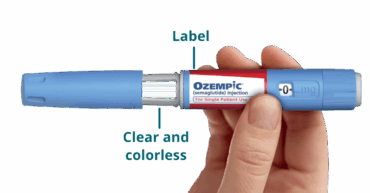
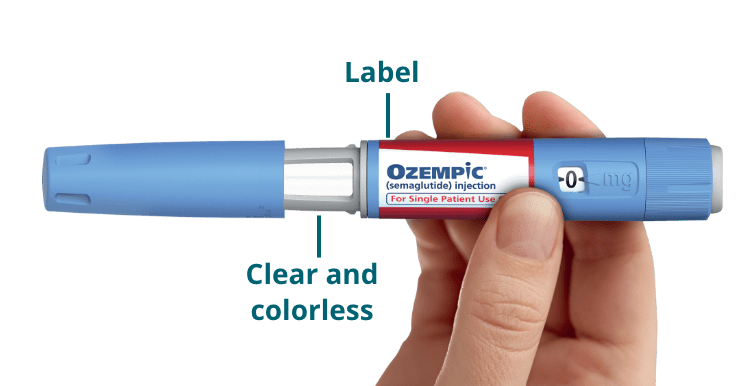
The board was also concerned about the rise of counterfeit Ozempic pens (knowing our country, it was only a matter of time) circulating in black markets. They also claimed that some of the “pens” are just relabeled from other drugs. By going public with the advisory, health officials are reminding Kenyans that no injection is a substitute for proper medical care. And that there should be no shortcuts to losing weight; hit the gym, cut on food portions and all the other traditional methods that have been working for decades.
The Counterfeit Problem
With a global increase in demand for Ozempic comes the fake versions. Already, there have been reports of falsified Ozempic pens entering supply chains worldwide. Some of these are even repackaged from other injectable drugs like insulin pens. These counterfeits can be outright dangerous because they contain the wrong ingredients or dosages. Not to mention paying exorbitant amounts of money only to get a drug that will not work its intended purpose.
In Kenya, regulators have urged the public to always buy medication from licensed pharmacies and avoid deals that seem too good to be true. Not to mention that genuine Ozempic pens should only be obtained with a prescription and used under a doctor’s care.
The emergence of oral GLP-1 medicines could make the market even more complicated for consumers trying to distinguish legitimate medicines from unverified products. Wegovy is now available in pill form in some markets – but what exactly does that mean?
Definitely, the risk of counterfeit drugs is not new in Kenya, in a country where there is a counterfeit for even products we thought “uncounterfeitable”. And with Ozempic’s celebrity-fueled hype, the stakes feel even higher. As if it’s not already bad that we have to deal with the dangers of using the drug without medical supervision, now we are also not sure whether the drug in hand is even real.
For Kenyans tempted by the global Ozempic craze, the government’s warning is a reminder to pause before following the trend. The drug is now only legally prescribed for patients with type 2 diabetes. They also made it clear that using it for cosmetic weight loss is both unsafe and unauthorized.
Instead, health experts recommend that for those trying to lose weight , you should consult a qualified doctor or nutritionist. The government recommends embracing sustainable approaches like balanced diets and increased physical activity or even exploring medically approved alternatives if weight poses a health risk.
The PPB has also set up reporting channels for anyone who experiences adverse effects or encounters suspicious Ozempic products, so that Kenyans can protect themselves and help regulators clamp down on counterfeit drugs.
Personally, the saddest part about this whole circus is that across the world, demand for the drug has skyrocketed so sharply that it has led to shortages for diabetic patients. Which ironically, is the very group it was designed to help. And as if that’s not enough, drugmaker Novo Nordisk faces mounting lawsuits over alleged side effects while regulators try hard to balance its proven medical benefits with the risks of off-label use.
After all the hype has died down, will the world look back and wonder what it was all about? In the end, Ozempic’s story is about how quickly a medical treatment can be repackaged into a lifestyle fad and how quickly people are to follow a trend without doing due diligence.