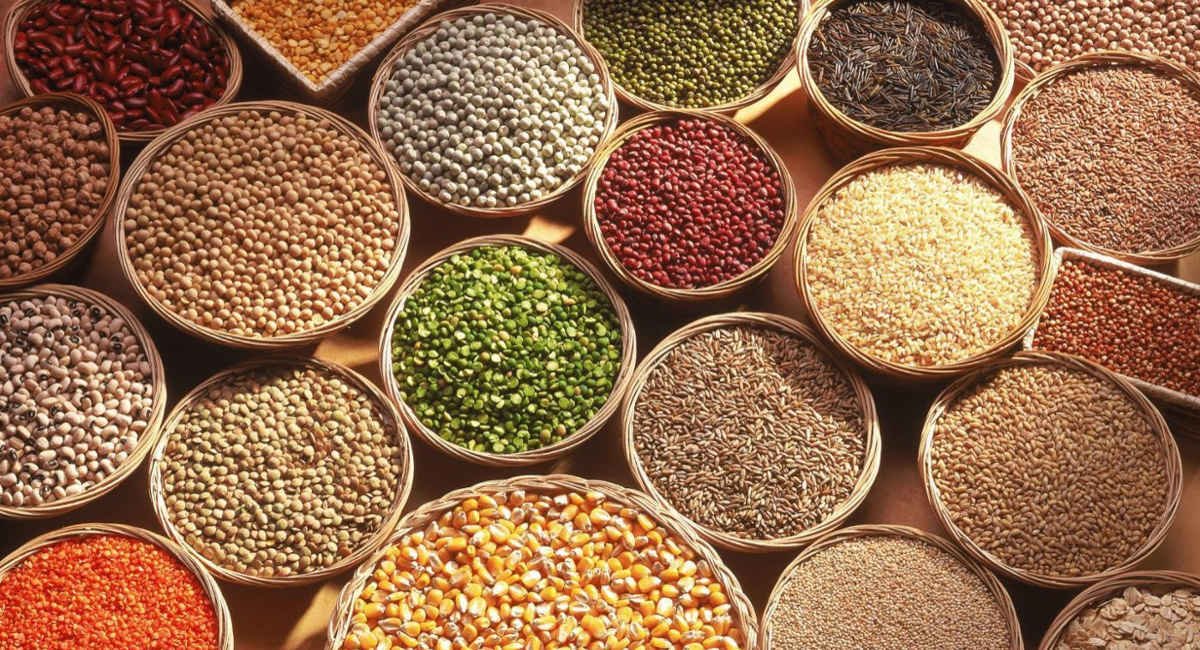
I recently returned to the village and as I wandered past the familiar maize fields and avocado trees, I was reminded of something that everybody so easily overlooks in the rush of modern life: the seeds. Not the packaged and certified kind you buy in city shops, but the small, unassuming packets that our grandparents carried from one season to the next. They treasured those seeds so much, mostly because planting crops was about survival and culture. These were the seeds that shaped our land, adapted to every patch of soil and endured every drought or pest that came their way. For generations, communities have exchanged, saved and sowed these indigenous seeds, keeping alive a tradition of food security long before hybrid varieties arrived and commercial agriculture took hold.
I am not sure when exactly it begun, or even how the brainwashing started, but it is like we woke up one day and suddenly nobody was using those seeds to plant anymore. Kenyan farmers who practiced these age old customs faced harsh penalties under the Seed and Plant Varieties Act. Saving or selling indigenous seeds could earn fines of up to a million shillings, or worse, prison. A law was passed and communities that had quietly nurtured crops adapted to local climates were suddenly criminalized for preserving their own heritage.
Among the many unjust laws that were ever passed, this surpasses them all. That a local farmer had no rights whatsoever in choosing what they wanted to store in their own granary or plant in their own farm.
Luckily, just recently, the High Court restored these rights, overturning the punitive sections of the law and acknowledging what farmers had always known. That indigenous seeds are not relics of the past, but living systems of resilience and knowledge. While this decision was a legal victory, it was also a recognition that Kenyan communities hold the keys to their own food sovereignty and biodiversity.
Indigenous seeds are the embodiment of centuries of observation and adaptation. They survive where commercial hybrids sometimes fail by resisting pests and erratic weather. They preserve nutritional diversity and cultural identity, carrying within them the wisdom of generations. In a country where many smallholder farmers make up the backbone of agriculture, the ability to save and exchange these seeds is a lifeline. It means communities can rely on plants adapted to their land rather than being forced to purchase expensive imported seeds each season, often ill suited to local conditions.
The significance of this ruling extends beyond individual farmers. By protecting indigenous seeds, Kenya takes a stand for food security in an era of climate uncertainty. It strengthens the nation’s capacity to withstand unpredictable rains and rising temperatures. Not to forget the new pests. Communities empowered to manage their own seeds become guardians of biodiversity, and now more than ever Africa needs that. The knowledge embedded in these seeds has been passed down orally and through practice and is quite frankly a treasure that has too long been overlooked by policymakers in favor of imported solutions (we all know why.)
Yet legal recognition alone is not enough. To truly reap the benefits of this ruling, we must ensure community seed banks are supported and farmers are educated about their rights. Most farmers do not even understand their rights, timid and unafraid to speak up. We see it all the time, topmost on that list of sufferage being tea centers where tea farmers are reprimanded and treated like they are being done a favor while it is actually the other way round. After farmers are educated, all the indigenous varieties should be documented and preserved.
It is quite clear that the government, the civil society and local communities need to collaborate as equal partners so as to create systems that safeguard seed quality and promote agroecological practices. Farmers need to speak up and let their voices be heard. They are the ones on the ground , and talk as we might, they are the only ones who genuinely know what is required, what needs to be done and how it needs to be done moving forward. The seeds themselves are ready; it is the structures around them that need nurturing.
This is an act of cultural preservation and economic justice. I said it before but I will probably say it again; that this is one of those rare wins granted to us Kenyans by the courts. By reclaiming seed sovereignty, Kenyan farmers reclaim control over their food and livelihoods, not to mention their future.
As Kenya embraces this ruling, it is a moment to pause and reflect on our survival, nutrition and our heritage that have long been written in the soil. By protecting indigenous seeds, we honor the wisdom of our ancestors. Protecting these seeds means empowering our farmers and sowing the foundation for a sovereign, and sustainable future. What was once threatened by law is now a symbol of hope. A seed of possibility that with care and attention can blossom into a more independent Kenya.