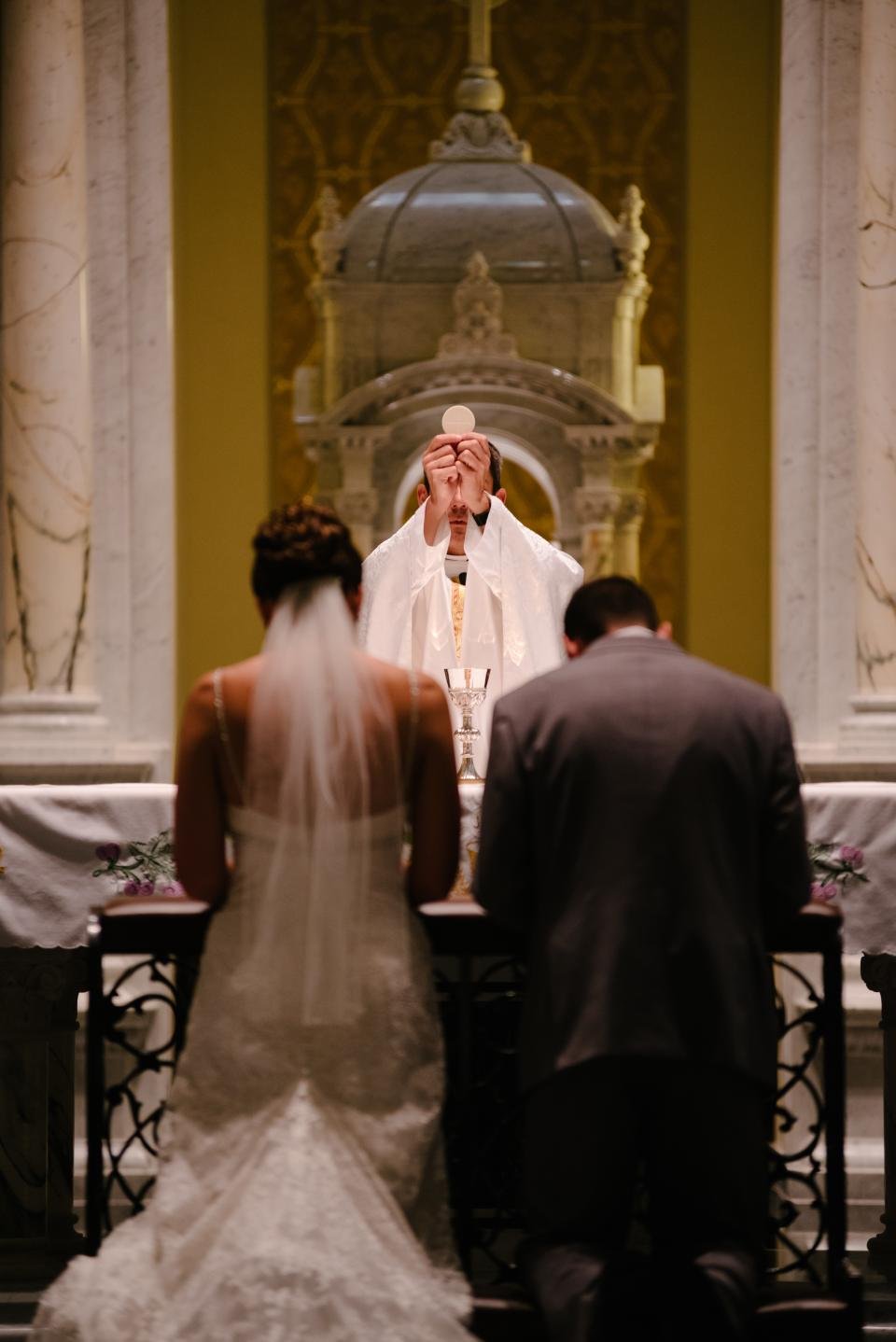
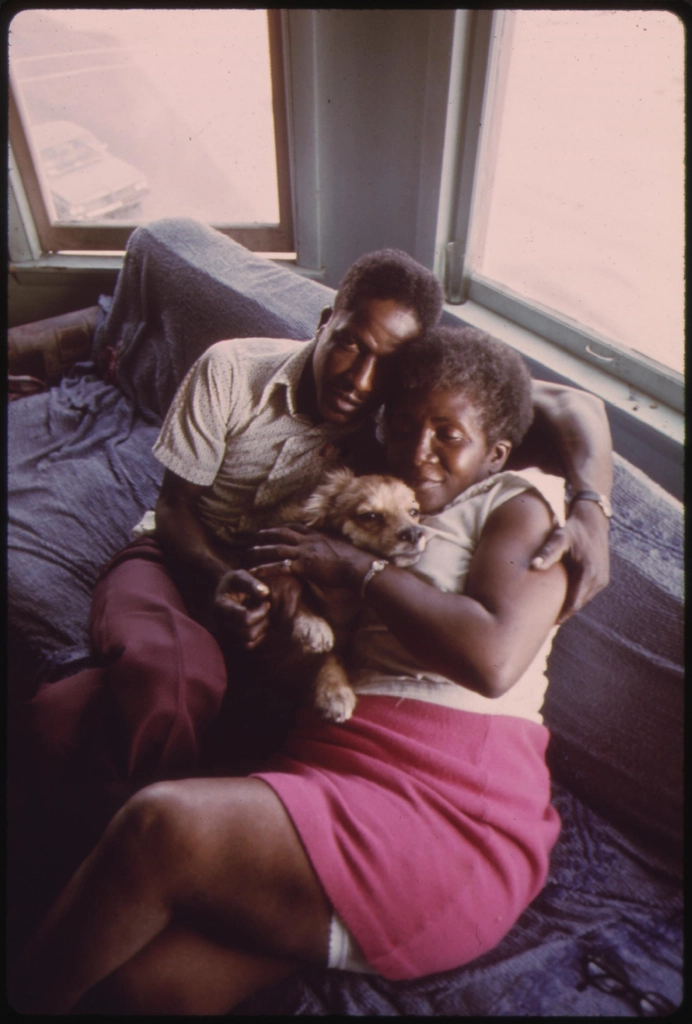
When are you getting married?
If you are a millennial that has never been asked this question, are you even African? Actually, let’s rephrase that. If you are a 30 plus female millennial, and this question or it’s insinuation has not been hovering around you, are you even African?
If it is not appearing at family gatherings or guised as a joke during casual phone calls then it is the pitiful stares at weddings or sometimes even in workplaces disguised as concern. It is rarely meant to wound, yet it often does.
That is the unspoken timeline, an African clock ticking loudly in homes and hearts.
Read on 👉 Is Polygamy a Sin?
In many African societies, marriage is not merely a personal decision. It is a milestone that marks respectability and success. It show that you are finally maturing. To marry on time is to assure family and community that life is unfolding as expected. To delay or opt out is to invite speculation and suspicion.
It’s the fact that the pressure does not always arrive as force. It usually comes as gentle reminders and jokes that land too close to the truth. Not to forget the comparisons with cousins and neighbours who seem to be doing life right. For women, the clock often starts ticking earlier and louder. And all the loud talk form the red pill guys is doing nothing to help matters, talking about a woman older than 25 being old cargo(!)
Age is framed as urgency and fertility as a countdown. A single woman in her 30’s is viewed as a threat to society, as a problem to be solved. But, why does everyone conveniently forget that times have changed, that in 2026 it is very important for a woman to be emotionally ready and financial stable. And whatever happened to personal choice?
Read on 👉 Speaking of Which, Maybe It’s Time We Reconsidered Arranged Marriages
Why is it that when it comes to Men on the other hand, they are told to wait until they are ready, a word that usually translates to money, property and status? Suddenly personal choice matters, right? Their delay is framed as strategy; hers is framed as risk.
This uneven pressure reveals a deeper truth: marriage in many African contexts is still treated as an achievement rather than a partnership. It becomes something to be attained, displayed and validated publicly, sometimes at the expense of private compatibility. It doesn’t really matter if you like this man or woman, as long as your parents get to brag. And even if your partner abuses you, you need to suck it up and stay out, lest you disgrace your family. A disgrace – that’s what Africans call a divorce.
Weddings are celebrated with grandeur, while the work of sustaining a healthy marriage remains largely invisible. In this environment, choosing not to marry or choosing to marry later can feel like a quiet rebellion. But the truth is it’s not that easy especially with modern living that keeps complicating the script. Education lasts longer and careers are more uncertain. City life is very expensive, where we pay an arm and a leg just to survive. Relationships are fragmented by distance and expectations within marriage have grown heavier. Today’s marriages are asked to provide companionship, emotional safety, financial partnership, sexual fulfilment and social status all at once. To be honest, it’s very exhausting.
The irony is that while the demands of marriage have expanded, the timelines around it have barely shifted. Most people are suffering silently, caught between tradition and reality. A never ending silent conflict. They want meaningful connection but find themselves in hurried commitment. They want partnership, not performance. All this, and still, resisting the clock comes at a cost.It
It can mean strained family relationships or the exhausting need to constantly justify one’s life choices. Some enter marriages they are not ready for just so they can get relief from questions, pressure and perceived failure.The African clock does not account for healing or for the long shadows of trauma and economic instability. Here, self discovery is a myth. Self discovery? What the hell is that and of what importance is it??? It does not pause for mental health or the quiet work of becoming whole. It simply ticks, indifferent to context. And yet, many are beginning to ask whether time should dictate intimacy at all.
There is a subtle shift happening. More people are questioning inherited timelines and redefining what a fulfilled life can look like. Some are marrying later while some are marrying differently. Some are not marrying at all. None of these choices are evidence of failure. Perhaps the more important question is not when someone will marry, but why, and whether the choice is rooted in desire rather than fear.
If marriage is to remain meaningful, it must be allowed to breathe outside the pressure of clocks and comparisons. After all, a life lived authentically may not always be on time, but it is often right on purpose.
My advice? Choose you. Always choose you.